


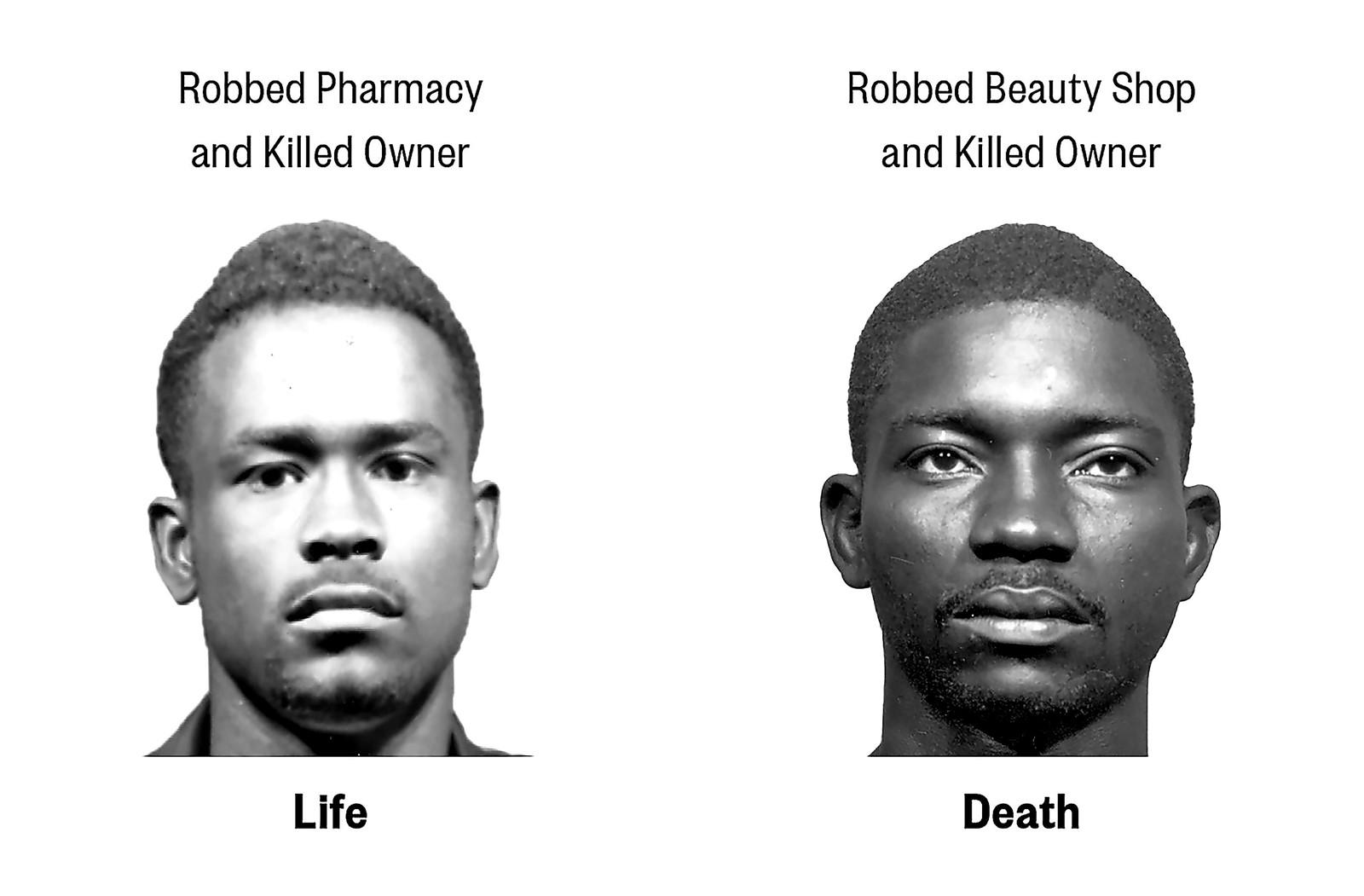
Unequal Sentencing: Examining Racial Disparities in the Criminal Justice System
Racial Inequities in Sentencing: A Closer Look at the Data
Recent research highlights a persistent and troubling trend: Black men receive substantially longer prison sentences than white individuals convicted of the same crimes. This sentencing gap is not isolated but indicative of systemic biases ingrained in judicial processes across the United States. Experts suggest that these disparities stem from a mix of implicit racial prejudices influencing judicial discretion and uneven prosecutorial practices. Importantly, these differences remain significant even after controlling for factors such as prior offenses, crime severity, and plea bargain agreements.
Comprehensive data from various states reveal alarming patterns:
- On average, Black defendants face sentences that are approximately 20% longer than those given to white defendants for comparable crimes.
- Black men are more frequently sentenced to incarceration rather than receiving alternative punishments like probation or community service.
- Judicial leniency, such as probation or sentence reductions, is less commonly granted to Black offenders.
| Offense Category | Average Sentence (White Defendants) | Average Sentence (Black Defendants) | Percentage Difference |
|---|---|---|---|
| Possession of Controlled Substances | 16 months | 24 months | 50% longer |
| Residential Burglary | 3 years | 4 years | 33% longer |
| Aggravated Assault | 2 years | 3 years | 50% longer |
Consequences of Disproportionate Sentencing on Black Families and Communities
Longer prison terms for Black men have far-reaching effects that extend well beyond the individual. Families and communities bear the brunt of these disparities, facing economic strain and emotional distress. The repercussions include:
- Loss of primary earners destabilizing household finances and increasing poverty risk.
- Heightened childcare responsibilities disproportionately shouldered by women, impacting their employment and well-being.
- Increased mental health challenges such as depression and anxiety due to family separation and societal stigma.
- Fractured family dynamics that contribute to intergenerational trauma and weaken community bonds.
These sentencing imbalances also undermine confidence in the justice system and fuel cycles of incarceration. The following statistics illustrate the broader community impact:
| Community Indicator | Statistic | Implication |
|---|---|---|
| Increase in households below poverty threshold | 45% rise linked to incarceration | Economic hardship |
| Children with incarcerated parents | Twice as prevalent in Black communities | Educational and social difficulties |
| Recidivism rates following extended sentences | Exceeding 60% | Perpetuation of incarceration cycles |
Advocating for Reform: Legal Experts Propose Systemic Changes
In light of these disparities, legal scholars and practitioners are advocating for comprehensive reforms to sentencing procedures. They emphasize that current guidelines lack consistency and fail to adequately address implicit racial biases, disproportionately affecting Black defendants. Reform efforts focus on establishing transparent, standardized sentencing frameworks that minimize racial disparities while preserving judicial discretion where appropriate.
Proposed measures include:
- Compulsory bias awareness training for judges and prosecutors to reduce prejudiced decision-making.
- Adoption of data-driven sentencing models leveraging artificial intelligence and analytics to promote equitable outcomes.
- Routine audits and public disclosure of sentencing data categorized by race and ethnicity to enhance accountability.
| Reform Initiative | Anticipated Benefit |
|---|---|
| Standardized Sentencing Guidelines | Reduction in racial sentencing gaps |
| Implicit Bias Education | Heightened judicial sensitivity |
| Transparency and Reporting | Improved public confidence |
Policy Strategies to Promote Justice and Equality
To effectively combat racial disparities in sentencing, policymakers and advocates recommend a multi-pronged approach centered on fairness and accountability. Key policy actions include:
- Mandatory training programs addressing unconscious bias for judicial and prosecutorial staff.
- Integration of algorithmic tools designed to benchmark equitable sentencing decisions.
- Regular publication of sentencing statistics disaggregated by race and offense type.
- Establishment of independent oversight committees to review sentencing appeals impartially.
Additionally, these policies emphasize the importance of community involvement and restorative justice initiatives. Such approaches aim to reduce systemic inequities by empowering affected populations, fostering accountability, and prioritizing rehabilitation over extended incarceration.
| Policy Recommendation | Projected Impact |
|---|---|
| Bias Awareness Training | Mitigate unconscious racial bias in sentencing |
| Algorithmic Sentencing Tools | Promote consistency and impartiality |
| Transparency Reports | Enhance judicial accountability |
| Independent Review Boards | Ensure fair appeals and oversight |
Looking Ahead: The Path Toward Equitable Justice
The evidence from recent studies underscores enduring racial disparities within the criminal justice system, particularly in sentencing outcomes for Black men compared to white defendants. As awareness grows, so does the momentum for reform and transparency. Addressing these inequities remains a pressing challenge for lawmakers, legal professionals, and communities committed to fostering a justice system that is truly fair and impartial for all.