




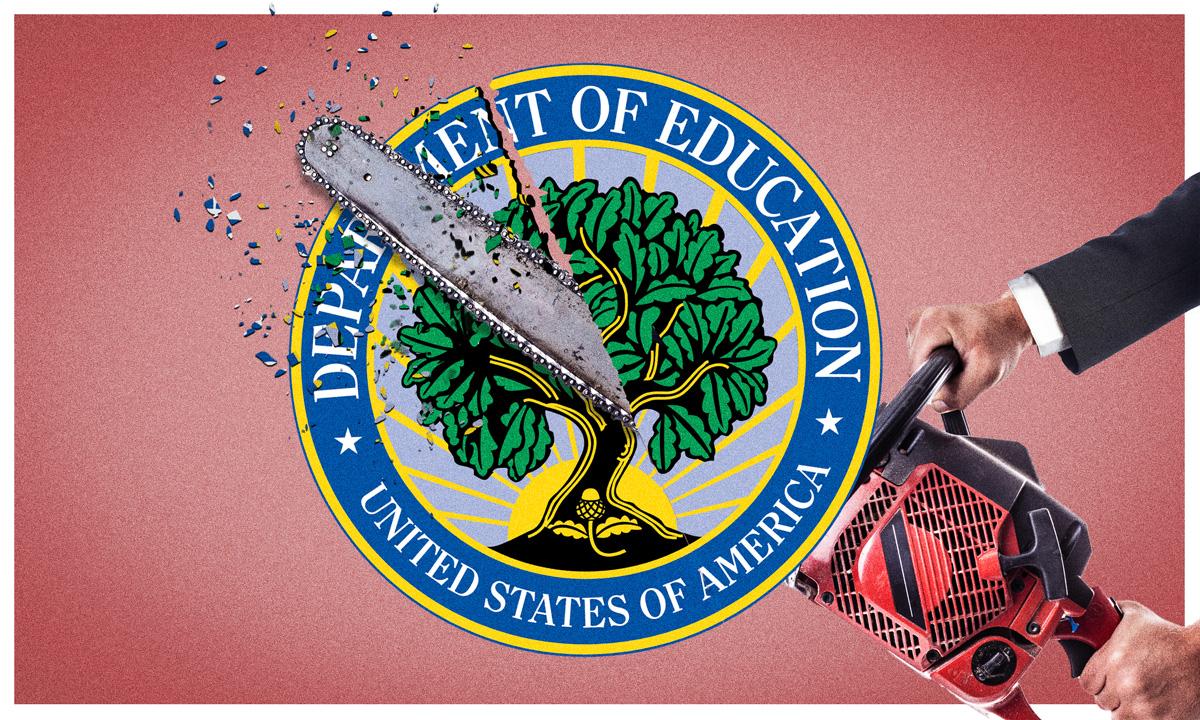
Examining the Impact of Federal Education Budget Cuts: Perspectives from Parents, Educators, and School Choice Advocates
Parental Concerns: How Funding Reductions Threaten Student Opportunities and Resources
Across the country, parents are raising alarms about the consequences of recent federal education budget cuts on their children’s learning environments. Many worry that shrinking funds will result in overcrowded classrooms, fewer extracurricular activities, and limited access to vital educational tools such as up-to-date technology and specialized support services. A parent from a mid-sized urban district shared, “Our children are not just losing programs; they’re missing out on the full spectrum of experiences that shape a comprehensive education.” These effects are especially severe in schools already grappling with limited resources, where staff shortages and material deficits exacerbate educational inequities.
- Shortages in instructional materials: insufficient textbooks and classroom supplies
- Decline in extracurricular offerings: reduced availability of clubs, arts, and sports
- Technology gaps: aging computers and inadequate software access
- Cutbacks in special education: fewer individualized support services
In response, educators and school choice proponents emphasize the importance of reallocating resources thoughtfully rather than implementing across-the-board cuts. While teachers stress the necessity of maintaining core academic programs, many parents express interest in alternative education options. A recent national poll indicated that over 60% of parents favor expanding diverse schooling choices, such as charter and private schools, especially if public school funding continues to decline.
| Group | Primary Concern | Recommended Action |
|---|---|---|
| Parents | Elimination of enrichment programs | Reinstate funding for arts and athletics |
| Teachers | Excessive classroom sizes | Reduce class sizes and increase support personnel |
| School Choice Advocates | Restricted public school alternatives | Expand voucher programs and charter school access |
Educators’ Perspective: Struggles with Diminished Support and Professional Growth
Teachers nationwide report growing difficulties due to cuts in funding that affect classroom assistance and professional development opportunities. Many feel isolated as budget constraints limit access to instructional coaches, collaborative planning time, and advanced training workshops. Without ongoing professional growth, educators find it challenging to meet evolving curriculum demands and address diverse student needs, which can ultimately compromise educational quality.
- Decreased availability of instructional coaches and specialists
- Reduced funding for professional development and certification programs
- Increased student-to-teacher ratios, limiting personalized instruction
- Less time for team collaboration and lesson planning
| Issue | Effect on Educators | Long-Term Consequences |
|---|---|---|
| Fewer Training Workshops | Widening skill gaps | Decline in teaching effectiveness |
| Limited Coaching Support | Reduced mentorship opportunities | Increased teacher burnout and turnover |
| Overcrowded Classrooms | Less individualized student attention | Lower student engagement and achievement |
Advocates for School Choice: The Need for Equitable Funding to Preserve Educational Alternatives
Supporters of school choice—including parents, educators, and advocacy groups—are voicing strong opposition to budget cuts that disproportionately affect alternative education models such as charter schools, voucher programs, and homeschooling support. These options provide families with tailored learning environments that public schools may not always offer. Advocates warn that without balanced and fair funding, these alternatives risk becoming financially unsustainable, thereby limiting parental choice and student success.
Proponents urge policymakers to adopt a holistic funding strategy that supports the entire educational landscape. Ensuring equitable distribution of resources between traditional public schools and alternative programs is essential to fostering innovation, competition, and diverse learning opportunities. Key concerns include:
- Decreased operational funding for charter schools
- Reduced grants and support for homeschooling families
- Lower availability of vouchers enabling private school enrollment
| Stakeholder | Core Concern | Proposed Solution |
|---|---|---|
| Parents | Fewer educational choices | Restore funding for vouchers and scholarships |
| Teachers | Resource deficits in charter schools | Ensure equitable operational funding |
| School Choice Advocates | Funding bias toward traditional schools | Implement balanced, flexible funding formulas |
Policy Recommendations: Strategies to Mitigate Funding Cuts and Promote Fair Education Access
To address the adverse effects of education budget reductions, experts recommend that policymakers prioritize equitable resource distribution, focusing on schools and communities historically underserved. This approach ensures that all students have access to necessary materials, modern technology, and qualified educators. Additionally, expanding support for innovative school choice initiatives can empower families to select educational settings that best meet their children’s unique needs without further burdening public school systems.
Transparency and accountability are also critical. Establishing clear metrics tied to funding allocations can help guarantee that investments translate into tangible educational improvements. Furthermore, fostering ongoing collaboration between state education agencies and local stakeholders—including parents, teachers, and school choice advocates—through advisory councils can facilitate real-time evaluation and adjustment of funding strategies.
Final Thoughts: Navigating the Complexities of Education Funding Cuts
The ongoing discourse surrounding federal education budget cuts reveals a multifaceted challenge. While concerns about diminished resources and student support are widespread, some view this moment as an opportunity to innovate and increase local control over education. Striking the right balance between equitable funding and diverse educational options remains paramount. As these discussions evolve, continued monitoring and reporting will be essential to understanding how budget decisions shape the future landscape of American education.


