


Examining the Feasibility and Consequences of Abolishing the U.S. Department of Education
Legal Authority and Obstacles in Overhauling the Department of Education
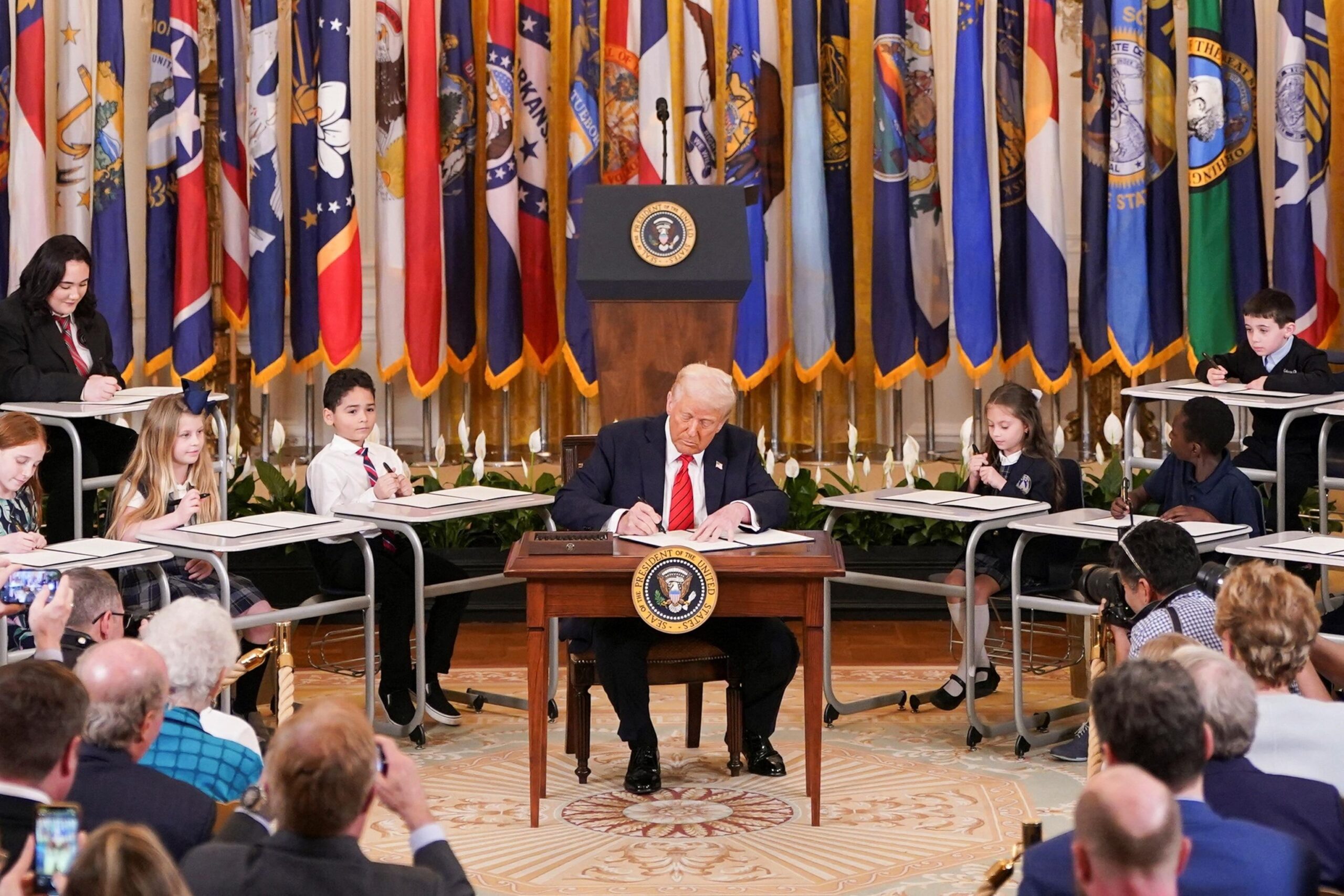
Former President Donald Trump has publicly advocated for drastically reducing or even eliminating the U.S. Department of Education. However, the path to such a transformation is fraught with significant legal and political barriers. The department’s existence is codified through federal legislation passed by Congress, meaning that any attempt to dissolve it would necessitate not only executive initiative but also congressional consent. While the president can influence education policy and propose budgetary changes, unilateral efforts to dismantle a federal agency typically provoke immediate legal disputes and political resistance.
Several critical factors complicate this endeavor:
- Legislative Control: Congress controls funding and holds the authority to modify or repeal laws establishing federal agencies.
- Judicial Oversight: Courts have a history of intervening when executive actions exceed statutory limits.
- Bureaucratic Pushback: Institutional inertia and leadership within the department can impede radical restructuring efforts.
Moreover, federal education programs such as Title I funding for disadvantaged students and protections under the Individuals with Disabilities Education Act (IDEA) are deeply embedded in law, safeguarding them from abrupt termination. Consequently, any administration’s approach is more likely to focus on policy adjustments and budget reductions rather than complete abolition. This scenario sets up a complex dynamic between presidential ambitions and entrenched legal frameworks that govern federal education.
Consequences for Federal Funding and Student Assistance Programs
Should the Department of Education undergo severe budget cuts or structural changes, the impact on federal funding streams could be substantial. Many state and local education agencies depend heavily on these funds to support programs for low-income and special needs students. A reduction in federal support could jeopardize essential services such as school counseling, extracurricular activities, and access to digital learning tools.
Key federal initiatives that might be affected include:
- Pell Grants: Vital financial aid enabling millions of students to pursue higher education.
- TRIO Programs: Offering mentorship and academic assistance to students from disadvantaged backgrounds.
- Federal Work-Study: Providing part-time employment opportunities to help students fund their education.
| Program | Purpose | Potential Consequence |
|---|---|---|
| Pell Grants | Financial support for low-income college students | Decreased access to affordable higher education |
| TRIO Programs | Academic and mentorship support for disadvantaged youth | Reduced availability of critical support services |
| Federal Work-Study | Part-time employment to assist student finances | Fewer job opportunities impacting student income |
Reactions from State and Local Education Authorities
Education leaders at the state and local levels have voiced strong opposition to any federal initiative aimed at dismantling the Department of Education. They warn that such a move could disrupt vital funding channels, weaken accountability mechanisms, and fracture the coordination necessary for nationwide education standards. Officials underscore the department’s critical role in upholding civil rights protections and supporting marginalized student groups, cautioning that its elimination could disproportionately harm these populations.
Practical concerns raised by local districts include:
- Loss of access to federal grants and emergency stimulus funds
- Increased administrative burdens as responsibilities shift
- Uncertainty about compliance with federal education mandates
| Area of Concern | Possible Impact |
|---|---|
| Funding | Delays or cuts in essential federal financial support |
| Accountability | Weakened enforcement of equity and civil rights laws |
| Coordination | Fragmented policies complicating interstate collaboration |
Strategic Approaches for Managing Federal Education Policy Amid Uncertainty
In light of ongoing debates about the Department of Education’s future, it is crucial for policymakers to prioritize approaches that balance stability with adaptability. Maintaining continuity in federal education programs requires establishing institutional protections that endure beyond changes in administration. This includes fostering bipartisan oversight and enhancing transparency to minimize disruptive policy swings that negatively affect schools and students.
Additional recommendations to effectively manage federal education governance include:
- Strengthening partnerships with local education stakeholders to customize federal programs to community-specific needs
- Implementing phased policy changes to allow for evaluation and refinement before nationwide adoption
- Expanding data collection and analysis to inform evidence-based decision-making regardless of political shifts
| Recommendation | Benefit | Expected Result |
|---|---|---|
| Institutional Protections | Policy Consistency | Fewer Abrupt Changes |
| Local Empowerment | Tailored Solutions | More Effective Outcomes |
| Data-Driven Oversight | Informed Policies | Improved Program Performance |
Final Thoughts
The ongoing discourse about the Department of Education’s future highlights the complexity of attempting to dismantle a federal institution so deeply woven into the nation’s educational fabric. Despite former President Trump’s vocal calls for abolition, the legal, political, and operational realities present formidable barriers. The ultimate fate of the department will hinge on the interplay between executive priorities, congressional decisions, and public advocacy in the coming months, with profound implications for millions of students, educators, and communities across the United States.