




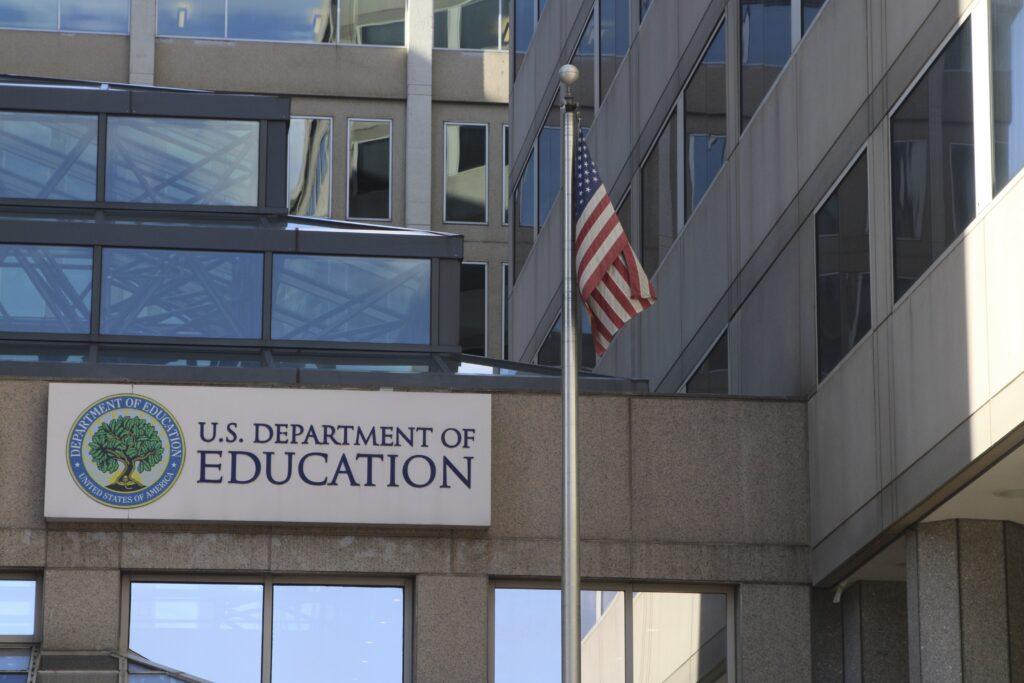
Understanding the U.S. Department of Education: Its Mission, Impact, and Challenges
The U.S. Department of Education stands as a cornerstone institution in the American educational system, influencing policies that affect millions of learners, educators, and institutions nationwide. This article delves into the department’s core objectives, organizational framework, and major initiatives, offering insight into its role within the federal government. As conversations around education funding, equity, and reform intensify, gaining a clear perspective on the department’s duties and obstacles is more important than ever.
How the U.S. Department of Education Shapes National Education Policy
As a federal agency, the Department of Education plays a critical role in establishing educational standards and guiding policy across the United States. It administers federal funding, enforces education-related laws, and launches programs that impact both public and private educational institutions. Collaborating closely with state and local authorities, the department strives to enhance student achievement, reduce disparities, and guarantee equitable access to quality education for all demographics.
Beyond regulatory oversight, the department strategically influences education’s future through research, innovation, and policy development. Its primary focus areas include:
- Federal Funding Distribution: Allocating resources to support underserved populations and special education initiatives.
- Comprehensive Data Collection: Compiling nationwide educational statistics to guide policymaking and measure progress.
- Promoting Educational Equity: Crafting policies to address inequalities related to race, socioeconomic status, and geographic location.
| Initiative | Effect |
|---|---|
| Title I Funding | Provides financial support to schools serving low-income families |
| Every Student Succeeds Act (ESSA) | Replaces No Child Left Behind, emphasizing state-led accountability |
| Federal Student Aid | Offers grants and loans to increase college affordability |
Driving Educational Equity: Key Programs and Their Impact
The Department of Education has launched several transformative programs aimed at bridging achievement gaps among diverse student groups. Central to these efforts is the Equity and Excellence Commission, which works to eliminate systemic obstacles through targeted funding and policy reforms. Programs like Promise Neighborhoods and provisions under the Every Student Succeeds Act (ESSA) focus on bolstering early childhood education, fostering community engagement, and supporting innovative school models in underserved areas.
In addition to financial support, the department emphasizes data-driven accountability to ensure schools meet equity goals. Key strategies include:
- Disaggregated Data Analysis: Monitoring student outcomes by race, income, and disability status to pinpoint disparities.
- Targeted Resource Allocation: Directing grants to high-need districts and encouraging collaboration among educators, families, and communities.
- Inclusive Curriculum Initiatives: Promoting educational content that reflects diverse cultures and histories to enhance cultural competence.
| Program | Primary Focus | Outcomes |
|---|---|---|
| Promise Neighborhoods | Community Engagement & Early Learning | Higher graduation rates and stronger family involvement |
| ESSA Equity Measures | State Accountability & Access | Narrowed achievement gaps across multiple states |
| Equity and Excellence Commission | Policy Innovation | Greater inclusivity and fairness in education systems |
Political and Financial Obstacles Confronting the Department
The Department of Education operates within a complex political environment marked by ideological divisions that often stall or reshape education policies. These partisan dynamics create challenges in maintaining consistent, long-term strategies. Additionally, fluctuating budget allocations complicate the department’s ability to sustain and expand vital programs, especially those targeting vulnerable student populations.
Economic uncertainties and political debates over education spending contribute to an unpredictable funding landscape. This volatility hampers the department’s responsiveness to urgent needs such as upgrading digital infrastructure or addressing learning disruptions caused by the COVID-19 pandemic. Major hurdles include:
- Unstable Funding Streams: Annual budget negotiations lead to inconsistent financial support.
- Political Influence: Shifting priorities affect program continuity and focus.
- Delays in Appropriations: Operational setbacks due to postponed funding decisions.
- Balancing Federal and State Roles: Navigating the tension between national oversight and local control.
Strategies from Experts to Strengthen Federal Support for Education
Education specialists advocate for a more adaptable federal framework that empowers local education agencies to meet diverse community needs effectively. Enhancing funding flexibility and prioritizing equity are central themes in these recommendations. Experts also highlight the importance of expanding mental health services in schools to support students’ overall well-being.
- Simplify Grant Applications: Reduce administrative hurdles to enable schools to access funds more efficiently.
- Increase Transparency: Improve data sharing to evaluate the effectiveness of federal programs on student success.
- Invest in Digital Equity: Close the technology gap exacerbated by remote learning demands.
Furthermore, there is a call for dedicated funding to enhance professional development, equipping educators with skills for culturally responsive teaching. Establishing ongoing communication channels between federal agencies and school districts is also recommended to ensure policies remain relevant and effective.
| Recommendation | Expected Benefit |
|---|---|
| Enhance Funding Flexibility | Allows rapid response to varied school needs |
| Expand Mental Health Initiatives | Improves student well-being and retention rates |
| Boost Digital Infrastructure | Promotes equitable access to technology |
| Streamline Grant Processes | Maximizes efficient use of resources |
Conclusion: The Department’s Enduring Role in American Education
In conclusion, a thorough understanding of the U.S. Department of Education’s mission, organizational structure, and evolving responsibilities is vital for anyone engaged in the national education dialogue. As debates over funding, equity, and federal involvement persist, the department remains a key driver in shaping policies that support schools and students across the country. Staying informed about its initiatives enables educators, policymakers, and communities to participate more effectively in advancing educational opportunities for all learners.


