


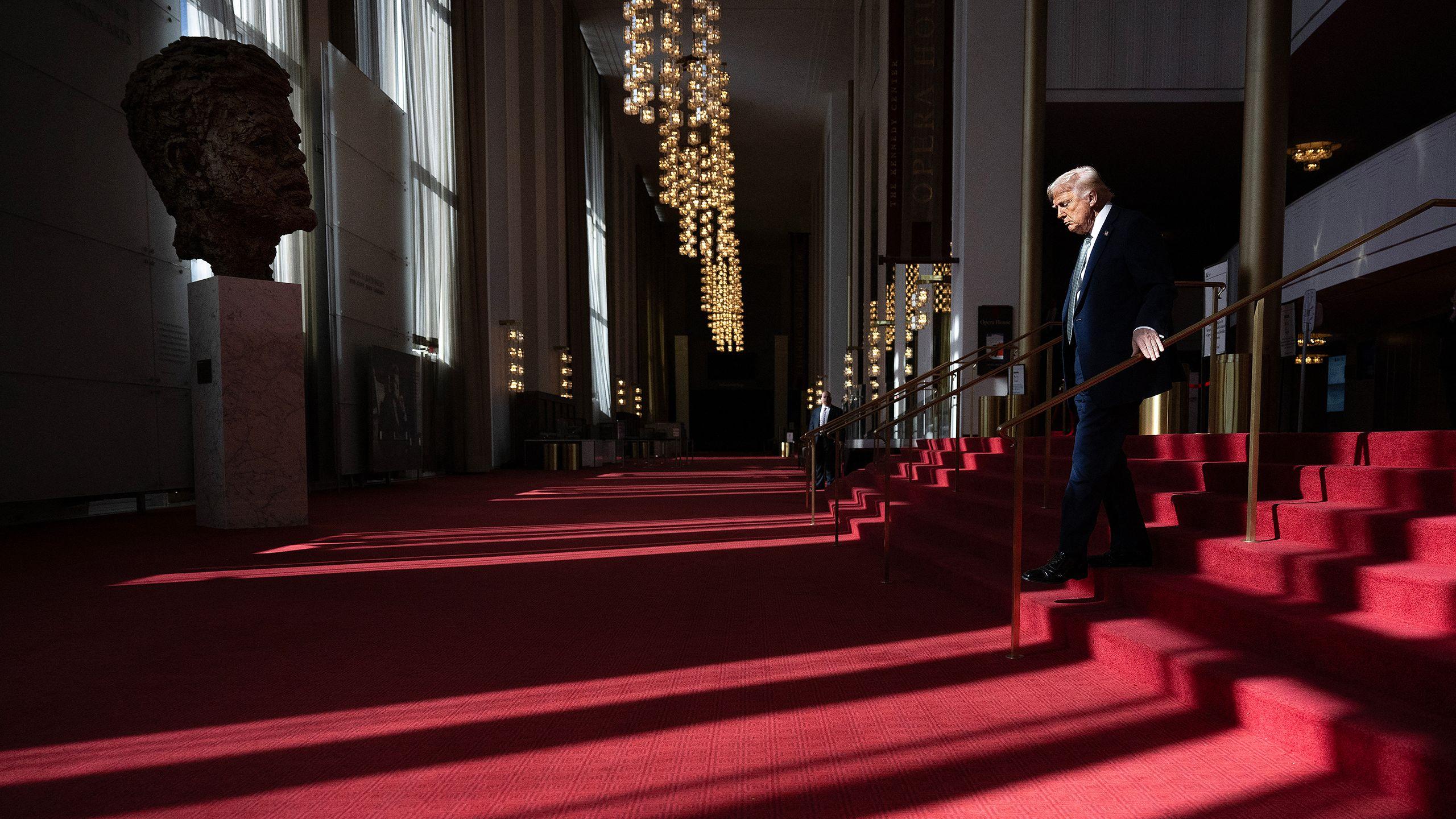
Donald Trump’s Leadership at the Kennedy Center: A New Era for American Arts?
Redefining Cultural Direction: Trump’s Influence on the Kennedy Center
The appointment of former President Donald Trump to a leadership position at the Kennedy Center represents a notable shift in the institution’s cultural and administrative approach. Historically renowned for championing a wide spectrum of artistic disciplines—from symphonic orchestras to cutting-edge contemporary performances—the Center now faces a potential reorientation that may emphasize commercial success and mass appeal over avant-garde or socially critical art forms. This transformation could prioritize audience engagement metrics and financial returns, potentially at the expense of artistic experimentation and diversity.
Experts in the arts sector anticipate several key changes under this new leadership paradigm:
- Shift in Programming: A stronger focus on popular, crowd-pleasing productions designed to maximize ticket revenue and attract high-profile donors.
- Revised Funding Priorities: Grants and sponsorships may increasingly favor projects with broad commercial viability rather than niche or experimental works.
- Enhanced Emphasis on National Themes: Programming might lean more heavily into patriotic and historically American art, aligning with prevailing political narratives.
This strategic pivot raises important questions about how the Kennedy Center will balance financial sustainability with its legacy as a champion of artistic freedom and inclusivity. The arts community is closely monitoring these developments, aware that the Center’s trajectory could influence cultural institutions across the country.
Funding and Programming: Anticipated Shifts and Their Implications
Leadership changes at major cultural institutions often herald adjustments in funding strategies, and the Kennedy Center is no exception. Given Trump’s administration’s historically cautious stance on federal arts funding, there is concern that government support for the Center and affiliated programs may diminish. This potential reduction in public funding could increase reliance on private donors and corporate sponsors, introducing new challenges related to financial stability and artistic independence.
Areas most vulnerable to change include:
- Grant Distribution: Possible cuts to initiatives supporting emerging artists and educational outreach programs.
- Program Diversity: A tilt toward mainstream productions may marginalize minority voices and experimental art forms.
- Community Access: Reduced funding could limit free public events and accessibility efforts aimed at underserved populations.
| Funding Category | Expected Change | Community Concern |
|---|---|---|
| Federal Arts Grants | Likely reduction | Program downsizing |
| Private Contributions | Greater dependence | Financial unpredictability |
| Educational Initiatives | Budget tightening | Reduced outreach |
Polarized Responses from the Arts Community
The artistic world has reacted swiftly and with marked division to Trump’s new role at the Kennedy Center, mirroring the broader cultural and political rifts in the nation. Many artists and cultural leaders express apprehension about potential censorship and the erosion of the Center’s reputation as a neutral platform for creative freedom. Conversely, some factions welcome the change, viewing it as an opportunity to inject fresh energy and increased national investment into the institution, which some critics argue has grown complacent.
Key perspectives from various arts organizations include:
- Creative Liberty Advocates: Voice concerns about political interference threatening the essential independence of artistic expression.
- National Arts Advancement Group: Endorses the leadership change as a catalyst for innovation and expanded outreach, citing promises of new funding streams.
- Inclusive Arts Coalition: Calls for transparent governance and inclusive dialogue to ensure marginalized communities remain represented.
| Organization | Main Concern | Position on Leadership Change |
|---|---|---|
| Creative Liberty Advocates | Risk of censorship | Opposed |
| National Arts Advancement Group | Funding and innovation | Supportive |
| Inclusive Arts Coalition | Representation and inclusivity | Conditional support |
Safeguarding Artistic Autonomy in Politically Charged Environments
As political figures increasingly influence cultural institutions, it becomes imperative for artists and administrators to implement robust strategies that protect creative independence. One effective method is the creation of independent advisory boards composed of diverse stakeholders—including artists, legal experts, and community leaders—to oversee programming and funding decisions, ensuring they remain free from partisan bias. Transparency through regular public disclosures about funding sources and artistic choices can foster trust and mitigate undue political pressure. Additionally, securing contractual protections for artists and curators can shield them from abrupt policy changes linked to leadership turnover.
- Legal Frameworks: Embedding artistic freedom within institutional charters and bylaws.
- Community Participation: Encouraging active public involvement in decision-making processes.
- Diverse Revenue Streams: Balancing private philanthropy with government support to minimize financial vulnerability.
- Digital Innovation: Leveraging online platforms to broaden independent artistic expression beyond traditional venues.
| Strategy | Benefit | Illustrative Example |
|---|---|---|
| Independent Advisory Boards | Reduces political interference | Mixed-membership art councils |
| Legal Protections | Secures artist rights | Bylaws safeguarding artistic direction |
| Funding Diversification | Mitigates financial leverage | Combination of grants and donations |
Conclusion: Navigating the Future of the Kennedy Center and American Arts
As the Kennedy Center embarks on this unprecedented chapter under Donald Trump’s stewardship, the arts community and the public alike are paying close attention to how the institution’s artistic vision and operational priorities evolve. With its longstanding role as a pillar of American cultural life, any transformation at the Center will likely reverberate throughout the national arts ecosystem, influencing funding patterns, programming diversity, and the delicate balance between politics and creative freedom. The coming years will reveal whether this leadership change ushers in revitalization or challenges the core values that have defined the Kennedy Center for decades.