




Exploring the Geographic Roots of Political Polarization Between Urban and Rural America
How Geography Influences Political Identities in Urban and Rural Areas
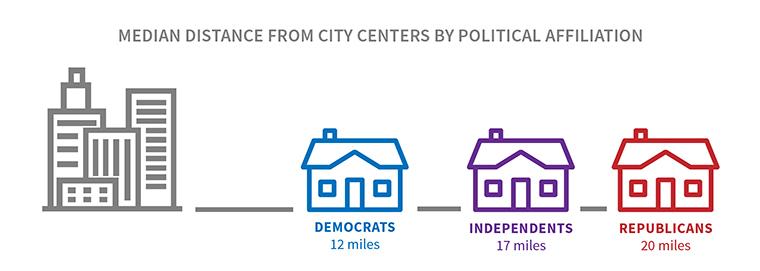
The political distinctions between urban and rural populations in the United States are deeply influenced by their geographic environments. Urban centers, bustling with diverse demographics, dense infrastructure, and concentrated economic activities, tend to cultivate progressive attitudes. Residents in these areas often prioritize policies that enhance public transit, affordable housing, and comprehensive social services. In contrast, rural regions, marked by expansive landscapes, agricultural economies, and limited access to amenities, typically emphasize issues such as land ownership rights, natural resource stewardship, and local self-governance. This physical and social separation nurtures differing priorities and worldviews, intensifying the political divide.
Key geographic factors shaping these political identities include:
- Population Concentration: Urban areas’ high density fosters collective interests in public welfare and infrastructure development.
- Economic Foundations: Cities rely on industries and service sectors, whereas rural economies depend heavily on agriculture and resource extraction.
- Service Accessibility: Limited amenities in rural zones encourage a culture of self-reliance and skepticism toward centralized governance.
- Community Networks: Rural communities often have tightly woven social ties, influencing trust and political engagement differently than the broader urban networks.
| Aspect | Urban Characteristics | Rural Characteristics |
|---|---|---|
| Population Density | High and diverse | Low and more uniform |
| Economic Base | Industry and services | Agriculture and mining |
| Policy Priorities | Infrastructure and social welfare | Land rights and resource management |
| Community Structure | Wide-ranging networks | Close-knit relationships |
Economic Influences Behind Divergent Voting Trends
Economic conditions are a fundamental driver of the political divergence between urban and rural voters. Metropolitan areas, with their diverse economies encompassing technology, finance, and service industries, attract younger, more educated populations who often support progressive policies related to social equity and environmental protection. Conversely, rural communities, reliant on agriculture, manufacturing, and resource extraction, frequently face economic challenges such as stagnation and infrastructure deficits. These conditions foster conservative preferences focused on job preservation, deregulation, and fiscal conservatism.
Several economic elements contribute to these voting behaviors:
- Job Market Dynamics: Urban centers experience robust job growth, encouraging support for innovation-friendly policies.
- Income Distribution: Cities exhibit greater income disparities, fueling advocacy for progressive taxation, while rural voters often favor policies that safeguard existing economic stability.
- Access to Education and Healthcare: Superior urban services shape favorable views toward government intervention, contrasting with rural skepticism due to limited availability.
| Economic Factor | Urban Impact | Rural Impact |
|---|---|---|
| Employment Opportunities | Diverse and expanding | Restricted and seasonal |
| Median Income | Higher | Lower with greater inequality |
| Education Access | Widely available | Limited and uneven |
| Healthcare Services | Comprehensive | Scarce and distant |
Infrastructure and Accessibility: Their Role in Political Participation
Differences in infrastructure significantly affect political engagement levels between urban and rural populations. Cities benefit from extensive public transportation, high-speed internet, and numerous government facilities, which facilitate easier access to voting locations, public forums, and political information. This connectivity often results in higher voter turnout and more active civic involvement. In contrast, rural areas frequently face challenges such as poor road conditions, limited broadband access, and fewer public service centers, which can hinder timely political participation.
Critical infrastructure disparities include:
- Transportation Options: Urban dwellers enjoy multiple transit choices, whereas rural voters may travel long distances on unreliable routes to reach polling stations.
- Digital Connectivity: High-speed internet in cities supports engagement in online political discourse, a resource often lacking in remote rural communities.
- Availability of Civic Facilities: Concentrated government offices and community centers in urban areas streamline access to services, unlike the sparse distribution in rural regions.
| Infrastructure Component | Urban Access | Rural Access |
|---|---|---|
| Public Transportation | Comprehensive network | Limited and infrequent |
| Internet Connectivity | High-speed broadband | Slow or unreliable |
| Polling Stations | Numerous and nearby | Few and widely spaced |
Closing the Gap: Strategies for Reducing the Urban-Rural Political Divide
Bridging the political rift between urban and rural communities requires comprehensive strategies that go beyond surface-level solutions. Investing in critical infrastructure such as broadband expansion and improved public transit can enhance connectivity, stimulate economic development, and encourage civic participation in rural areas. Additionally, fostering community-based programs that promote dialogue and cultural exchange helps dismantle stereotypes and build mutual respect.
Effective approaches include:
- Infrastructure Enhancement: Expanding access to technology and transportation networks.
- Cross-Community Educational Initiatives: Organizing workshops and forums that bring diverse groups together.
- Economic Support Programs: Providing grants and incentives for rural entrepreneurship and agricultural innovation.
- Inclusive Civic Platforms: Creating spaces that encourage broad political and social engagement.
| Initiative | Focus Area | Anticipated Outcome |
|---|---|---|
| Broadband Infrastructure Expansion | Connectivity | Enhanced access to information and services |
| Community Engagement Programs | Social Integration | Reduced biases and strengthened trust |
| Rural Business Development Grants | Economic Vitality | Job creation and sustainable growth |
| Participatory Governance Models | Civic Empowerment | Greater citizen involvement in decision-making |
Final Thoughts
As the United States continues to grapple with political polarization, the geographic divide between urban and rural areas remains a critical factor influencing political attitudes and policy preferences. Recognizing the geographic and economic foundations of this divide is vital for crafting effective solutions that promote understanding and cooperation. The insights from Washington University’s research provide a valuable framework for policymakers and community leaders aiming to bridge these gaps and foster a more unified political landscape.


