

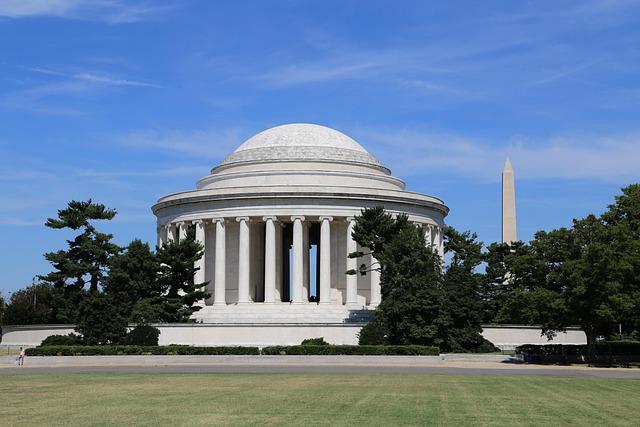
As winter loosens its grip on the nation’s capital, Washington, D.C. shifts into a season of color, festivals, and civic energy. The first cherry blossoms around the Tidal Basin signal more than just a change in weather-they kick off a packed spring calendar that ranges from globally known traditions to neighborhood block parties that only locals tend to know about.
TripSavvy’s “Top 10 Spring Events in Washington, D.C.” pulls together the standout spring happenings: long-running signature events that draw visitors from across the world, and smaller-scale gatherings that locals plan their weekends around. Use this guide as a practical roadmap to experience D.C. at its liveliest-when monuments share the spotlight with music stages, markets, and cultural celebrations across the city.
Smart Cherry Blossom Peak Viewing: Crowds, Weather, and Photo Tactics
Cherry blossom peak bloom in Washington, D.C. is now as much a science as it is a tradition. Travelers and photographers no longer rely solely on the National Park Service’s projected dates; many also scan short-range weather forecasts, track soil temperature updates, and watch near-real-time photos from park rangers and local residents on social media. This layered approach helps narrow down the best window to visit during the short-lived peak.
Because cherry blossoms can draw more than a million visitors over the season, beating the rush has become an art form. Around the Tidal Basin, pre-dawn arrivals are increasingly standard for serious photographers and crowd-averse visitors. Weekdays tend to offer slightly more breathing room, and many people are now trading the most famous angles for alternative vantage points-like Hains Point, the U.S. Capitol grounds, or lesser-known groves scattered in residential neighborhoods.
Simple preparation goes a long way:
– Travel light with just essential camera gear or a compact daypack.
– Rely on Metro and buses instead of driving, as parking fills before sunrise on peak days.
– Decide in advance where and how you’ll leave the area to avoid the densest midafternoon bottlenecks.
Spring’s unpredictable swings-chilly mornings, sudden warm spells, and wind off the water-can shift bloom timing by several days. Photographers respond by building flexibility into their plans and choosing gear that adapts to fast-changing light. Fast prime lenses, neutral-density filters, and weather-resistant camera bags are standard in many kits now, whether you’re shooting dazzling reflections under bright skies or soft petals against a gray backdrop.
Popular cherry blossom photography strategies currently include:
- Shooting during the “blue hour” before sunrise for calm water, pastel skies, and minimal foot traffic around the monuments.
- Leveraging reflections in the Tidal Basin, shallow puddles, or glass building facades after rain to create more dynamic compositions.
- Adding human elements-runners, cyclists, paddleboats, or festival-goers-to give a sense of scale, motion, and season.
- Scouting backup locations like the National Arboretum, Kenwood neighborhood streets, or city parks to escape the most crowded viewpoints.
| Time of Day | Crowd Level | Photo Conditions |
|---|---|---|
| Pre-dawn | Low | Soft, even light; easy tripod use |
| Late morning | High | Strong sun, heavy foot traffic |
| Golden hour | Moderate | Warm glow, potential for dramatic skies |
Insider Hacks for Experiencing the National Cherry Blossom Festival Parade
The National Cherry Blossom Festival Parade transforms Constitution Avenue into a corridor of floats, giant balloons, dancers, and marching bands. Regular attendees treat the route like a giant outdoor studio: where you stand matters just as much as when you arrive.
The densest, high-energy viewing stretches cluster near the reviewing stand between 7th and 15th Streets NW, where you’ll feel closest to the production and pageantry. Families, however, often gravitate to blocks just outside the busiest sections, where there’s a better chance of stroller space, a clear view for kids, and easier access to side streets.
Metro remains the most consistent way to reach the parade:
– Smithsonian, Archives-Navy Memorial, and Federal Triangle provide the most direct access to the route.
– Short walks from Metro Center or L’Enfant Plaza can allow you to slip in around congestion and avoid single crowded exits.
Security policies can differ by block, so small bags, collapsible chairs, and minimal gear keep things simpler at checkpoints. Because D.C.’s spring weather can shift hourly, planning layers is essential: a pocket-sized poncho, a light jacket, and sun protection can mean the difference between leaving early and comfortably staying through the final float.
During the parade, pacing is everything. Performers move in waves, and natural pauses occur as units reset and re-stage. Parade veterans use these breaks strategically: grabbing quick snacks, shifting a few feet to improve their view, or photographing performers while they interact with the crowd. Food trucks, vendors, and nearby cafés get busy, which is why many locals bring easy-to-pack snacks and refillable water bottles instead of relying solely on lines along the route.
Use this quick guide to match your priorities with the best stretch of Constitution Avenue:
| Area | Best For | Local Tip |
|---|---|---|
| 7th-10th St NW | High-energy “TV angle” views | Arrive at least 90 minutes early for front-row spots |
| 10th-14th St NW | Families, strollers, and groups | Bring snacks; public restrooms are relatively close |
| Near 15th St NW | Later arrivals and casual viewers | Expect more standing room than seating space |
To navigate more smoothly:
- Monitor real-time Metro updates to stay ahead of any delays, single-tracking, or temporary closures.
- Approach via side streets rather than main arteries to sidestep the tightest crowd funnels.
- Bring an offline or paper map in case cellular networks slow down due to heavy usage along the parade route.
Neighborhood Spring Festivals: Local Gems Beyond the National Mall
Beyond the postcard views of the National Mall, spring in Washington, D.C. unfolds on front porches, in alleyways, and along commercial corridors lined with independent businesses. These neighborhood-centered festivals are where you’ll find fewer tour buses and more residents catching up over local coffee or beer.
In Petworth, cafés often roll up their garage doors and turn sidewalks into mini-venues where local bands perform and vendors sell everything from artisanal soaps to small-batch hot sauce. Brookland’s Arts Walk becomes an open-air gallery, as studio doors swing open for curated weekends of ceramics, illustration, and experimental mixed media. Many of these events feature pay-what-you-can performances, hands-on activities for kids, and test-run spring menus from nearby restaurants.
Smaller-scale business alliances and hyperlocal nonprofits have stepped up their programming in recent years, creating surprisingly polished experiences on modest budgets. Expect:
– Short, flower-filled street markets featuring local growers and florists.
– Compact beer or cider gardens tucked into alleys or under string lights.
– Outdoor film nights curated by indie theaters, often with Q&As or themed snacks.
Some standout neighborhood events include:
- Petworth Spring Porchfest – rotating live music sets on rowhouse stoops and sidewalks, encouraging visitors to stroll, listen, and discover new bands.
- Brookland Arts Bloom – open studios, mural painting in progress, live music, and spoken-word corners along the Arts Walk.
- H Street Spring Stroll – progressive tastings at restaurants and bars, punctuated by small stages with DJs, drag shows, or acoustic sets.
- Eastern Market Flower Pop-Up – early-morning bouquets, seasonal produce, and food stalls offering special spring dishes.
Use the table below to match your ideal atmosphere with a neighborhood:
| Neighborhood | Signature Spring Event | Vibe |
|---|---|---|
| Petworth | Porchfest Live Sessions | Walkable, front-yard festival feel |
| Brookland | Arts Walk Open Studios | Creative, relaxed, and community-driven |
| H Street NE | Spring Stroll & Sip | Food-centric with a nightlife edge |
| Capitol Hill | Market Flower Days | Family-friendly, market-focused |
Designing a Spring Weekend Itinerary Around D.C. Events and Attractions
For travelers with just a couple of days in town, the key to a memorable spring visit is building a schedule around anchor events and nearby attractions. Many visitors now structure their weekends around a few “must-do” experiences, then fill in the gaps with flexible neighborhood exploration.
A common pattern for a Saturday starts with a dawn visit to the Tidal Basin or nearby memorials to see cherry blossoms before the sidewalks fill. From there, travelers often head to museums while crowds migrate to lunchtime spots. Pairing the National Museum of African American History and Culture with a walk to the Washington Monument grounds is a popular combination, especially when temporary stages, cultural showcases, or food fairs pop up nearby during spring weekends.
Later in the day, visitors frequently branch out to distinctive neighborhoods:
– Dupont Circle for gallery openings, embassy cultural events, and leafy streetside cafés.
– H Street NE for creative bars, live music, and eclectic restaurants.
– The Wharf for waterfront promenades, outdoor concerts, and sunset views over the Washington Channel.
Local tourism data suggests that people increasingly prefer compact, walkable routes that blend big-name attractions (like the National Gallery of Art) with seasonal markets, street performances, and evening music. Planning by Metro line-rather than jumping back and forth across town-helps maximize time and reduce transit fatigue.
Here’s a sample weekend structure many visitors follow:
| Day | Morning | Afternoon | Evening |
|---|---|---|---|
| Saturday | Cherry blossoms & monuments walk | Smithsonian museums & nearby festival stage | Waterfront dinner & live music at The Wharf or Georgetown |
| Sunday | Neighborhood farmers or flea market | Art exhibits & garden stroll (e.g., National Arboretum or local parks) | Capitol views & relaxed bistro in Capitol Hill or Penn Quarter |
A few practical planning tips:
- Cluster activities by area so you’re walking between stops instead of repeatedly crossing the city by Metro or rideshare.
- Book timed-entry museum tickets and special exhibits around set event times, like parades or concerts, to avoid schedule conflicts.
- Add a daily buffer hour for security lines, weather-related changes, or pop-up performances you’ll want to linger at.
In Summary
As Washington, D.C. moves from bare branches to full bloom, the city’s spring events collectively reveal a capital that is both deeply historic and constantly evolving. Signature celebrations along the National Mall, including cherry blossom season and the National Cherry Blossom Festival Parade, share the season with smaller neighborhood gatherings that highlight local art, food, and community spirit.
Whether you’re planning an entire trip around the blossoms or simply folding a few spring events into a broader visit, this time of year offers an unusually rich mix of outdoor festivals, cultural programming, and family-friendly activities. With marquee festivals attracting national attention and under-the-radar neighborhood events showcasing the city’s everyday creativity, Washington, D.C. has firmly established itself as a spring destination that offers far more than cherry blossoms alone.