



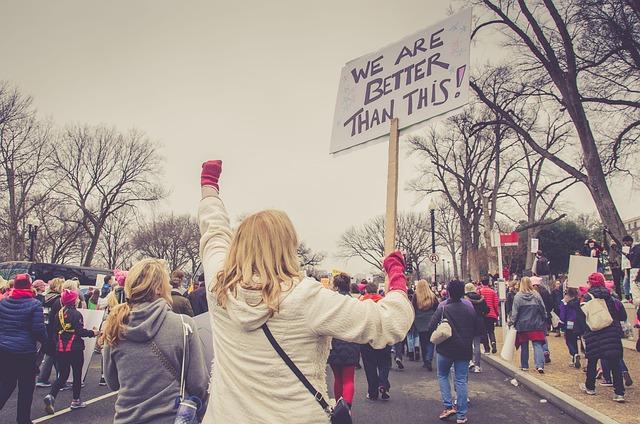
Thousands of people poured into city streets across the United States this week to condemn sweeping, nationwide cuts proposed for the U.S. Department of Education. Demonstrators warned that the plan would weaken public schools, erode special education services, and shrink college financial aid opportunities for millions of students. From Missouri to Washington, D.C., teachers, families, students, and advocacy groups rallied on courthouse lawns and capitol steps, describing the proposal as an unprecedented rollback of federal support at a time when districts are still grappling with chronic staffing shortages, inflation, and post‑pandemic learning loss.
The actions, organized by a broad coalition of education unions, community groups, and civil rights organizations, coincide with congressional debate over a spending package that would remove billions from cornerstone programs and dramatically scale back the federal government’s role in American education.
Missouri rallies spotlight local fallout from federal education cuts
Chants of “schools, not cuts” echoed through the corridors of Missouri’s statehouse as educators, parents, and students transformed the Jefferson City capitol into a public forum on the future of local schools. The usually subdued rotunda was crowded with families carrying hand-painted posters and banners urging lawmakers to reject deep reductions to the U.S. Department of Education.
Speakers emphasized that Missouri’s rural districts and high‑poverty urban neighborhoods stand to lose the most. Many of those communities depend heavily on federal aid to maintain basic staffing, transportation, and support services. As legislators filed in for afternoon hearings, they passed lines of educators holding oversized report cards, each stamped with a glaring red “F” to grade federal policymakers on their record of protecting students with disabilities and English language learners.
- Teachers warned that fewer federal dollars could mean swelling class sizes, fewer aides, and diminished prep time.
- Parents raised concerns that after‑school clubs, academic interventions, and childcare programs could disappear.
- Students described the possibility of losing access to tutors, counselors, and arts or music classes that keep them engaged in school.
- Advocates stressed that the cuts would hit hardest in rural and high‑poverty schools that lack local revenue to fill the gap.
| Program at Risk | Missouri Impact |
|---|---|
| Title I Grants | Core funding for high‑poverty K‑12 schools |
| IDEA Support | Special education personnel, therapies, and compliance services |
| Rural Education Aid | Transportation, connectivity, and classroom technology in small districts |
| College Access | Advising and outreach for first‑generation and low‑income students |
Union leaders, school board members, and superintendents from across Missouri stood side by side on the capitol steps, calling on the governor and the state’s congressional delegation to publicly oppose the cuts. They also demanded a transparent, district‑by‑district breakdown of projected losses so that communities can see how the proposal would affect their local schools.
Organizers gathered signatures in person and online, while civil rights attorneys floated potential legal strategies should federal protections for vulnerable students be weakened. Behind the main stage, a large projected map shaded districts according to how reliant they are on federal funds for essentials such as reading specialists, school nurses, and counseling services. The visual message was stark: the proposed cuts would not simply trim “extras”-they could fundamentally reshape education in Missouri, with consequences that may take decades to reverse.
Rural districts, special education, and low‑income students most exposed to cuts
Education advocates and policy experts caution that the deepest pain from the proposed budget overhaul would be felt far from major metropolitan areas. In districts with modest tax bases and long bus routes, federal funding often acts as a lifeline.
Superintendents in these rural communities say that reductions in Title I and Individuals with Disabilities Education Act (IDEA) allocations could force them to lay off staff, merge classrooms, and eliminate specialized programs that families cannot replicate privately. For students with disabilities, that could mean losing critical occupational therapy sessions, speech and language support, or one‑to‑one aides who help them participate in general education classes.
Families in low‑income communities, who frequently rely on schools for free evaluations, mental health services, and coordinated support plans, describe the proposed cuts as a direct threat to their children’s chances of staying on track academically and graduating on time. According to the National Center for Education Statistics, more than half of U.S. public school students now qualify for free or reduced‑price lunch-an indicator of economic need-underscoring how many children could be affected by large reductions in federal aid.
Rural leaders stress that local property taxes cannot simply be raised high enough to fill the hole. Many farming regions are already contending with fluctuating commodity prices and increased operating costs, leaving little flexibility for substantial tax hikes. When federal support contracts, districts often start by trimming positions and programs that are not legally mandated-even when those services are central to student success.
- Paraprofessionals and aides are frequently the first to lose hours or positions, despite providing day‑to‑day academic and behavioral support.
- School psychologists and social workers may see caseloads rise beyond safe levels, limiting their ability to respond to crises.
- Transportation for extended‑day and after‑school programs can be reduced or eliminated, making tutoring and enrichment inaccessible for students without family transportation.
- Small districts may consolidate classes across grade levels and drop electives like agriculture science, foreign languages, or career and technical programs.
To illustrate the concrete stakes, rally organizers distributed district‑level estimates showing how much federal funding individual communities could lose and which student groups would feel those cuts most acutely.
| District Type | Key Program at Risk | Impact on Students |
|---|---|---|
| Rural Farm District | IDEA Support Staff | Reduced therapy sessions and limited access to specialized services |
| Small Town Cluster | Title I Reading Lab | Loss of early literacy interventions for struggling readers |
| Remote County Schools | After‑School Bus Routes | Fewer options for tutoring, clubs, and evening programs |
Coalition of educators, parents, and students presses lawmakers to protect core funding and oversight
On the capitol plaza, speakers from both urban and rural districts delivered a unified message: cutting deeply into federal education programs will strip away the supports that keep the most vulnerable students in school and on pace to graduate.
Educators described how Title I funds pay for literacy specialists, small‑group math instruction, and classroom aides in high‑poverty schools. Special education teachers outlined how IDEA dollars help districts comply with legally required services, from individualized education programs (IEPs) to accessible transportation. Civil rights advocates warned that weakening enforcement capacity at the Department of Education would mean fewer investigations into allegations of discrimination, harassment, or illegal discipline practices.
Throughout the rally, organizers passed clipboards and QR codes linking to petitions, fact sheets, and district‑level funding projections. Student speakers read anonymous letters from classmates who rely on federally supported tutoring, college‑readiness advising, and school‑based mental health counseling to stay enrolled and plan for life after graduation.
Their demands centered on preserving both funding and oversight:
- Title I funds targeted to high‑poverty schools, where even modest cuts can translate into fewer teachers and larger classes.
- IDEA support to ensure that students with disabilities receive the services guaranteed by federal law.
- Civil rights investigations to address discriminatory discipline, unequal access to advanced coursework, and other systemic barriers.
- Data transparency so families can clearly see how schools are performing and where resources are going.
| Group | Key Concern | Requested Action |
|---|---|---|
| Teachers | Program cuts, overloaded classrooms, fewer support staff | Maintain or increase federal aid for core instructional services |
| Parents | Loss of specialized services and weaker enforcement of student rights | Preserve accountability measures and protect civil rights offices |
| Students | Reduced access to tutoring, counseling, and enrichment opportunities | Shield academic and mental health supports from budget cuts |
Union leaders and advocacy organizations emphasized that the Department of Education’s oversight role is as crucial as its grant‑making function. They pointed to prior federal investigations that uncovered illegal suspensions of students with disabilities, discriminatory discipline patterns, and inequitable funding formulas between schools serving different neighborhoods.
Without a strong federal watchdog, they argued, local problems are more likely to be hidden or ignored. Families often lack the time, legal expertise, or resources to challenge districts on their own when services are quietly reduced, eligibility standards are tightened, or performance data is misreported. Legal scholars at the rally added that weakening oversight could conceal the true impact of the cuts, allowing the greatest burdens to fall on already under‑resourced communities with limited political clout.
By dusk, coalition organizers pledged to continue tracking every vote and public statement related to the Department of Education budget, promising sustained grassroots campaigns in key districts. Their message to elected officials was clear: supporting deep cuts to education will not go unnoticed at home.
Policy experts call for targeted reforms, more transparency, and community voice
While protesters outside focused on stopping the cuts, policy specialists inside congressional hearing rooms presented an alternative path. Analysts from universities, think tanks, and nonpartisan research institutes warned that dismantling or drastically shrinking federal education programs could destabilize school systems already under strain from teacher shortages, aging infrastructure, and widening achievement gaps.
Instead of blanket reductions, they advocated for targeted, data‑driven reforms aimed at improving how funds are used and reported. Several experts described current federal reporting systems as “fragmented,” making it difficult for parents, educators, and even policymakers to trace which schools receive which funds, which contractors benefit, and how effectively money is translated into student outcomes.
They urged Congress to modernize data systems and require accessible, comparable public reporting that shows:
– How federal and state dollars flow to individual districts and schools.
– Which student groups-such as low‑income students, English learners, and students with disabilities-benefit from specific programs.
– Where inequities or inefficiencies persist despite existing funding.
Advocates argue that improving transparency and accountability could reduce waste and mismanagement without stripping away needed support for low‑income or rural communities.
They also called for deeper engagement with the people most affected by any major restructuring of federal education programs. Rather than making sweeping decisions from Washington, experts recommended a phased process built around local input and real‑world evidence.
- Public hearings in affected districts before major program changes take effect, allowing families and educators to weigh in on proposals.
- Accessible dashboards that model how proposed reforms would shift funding, staffing, and services in each community.
- Independent evaluations of pilot initiatives before any nationwide rollout, to avoid scaling up ineffective or harmful changes.
- Regular consultation with community coalitions, school boards, and classroom educators to ensure reforms align with local needs.
| Reform Tool | Main Goal |
|---|---|
| Transparency dashboards | Clearly show which schools and communities gain or lose resources |
| Targeted audits | Identify inefficiencies and misuse without undermining essential services |
| Community hearings | Incorporate local priorities into federal and state decision‑making |
Experts note that many districts are still deploying one‑time federal relief funds from the COVID‑19 era, which are set to expire. Without a thoughtful transition plan and careful oversight, abrupt cuts could create a “funding cliff,” leaving schools to absorb large losses just as they attempt to sustain new academic and mental health programs that were built with temporary dollars.
Conclusion: A defining test for the future of federal education support
As Congress deliberates the fate of the U.S. Department of Education’s budget, both opponents and supporters of the cuts are preparing for an extended battle over how much responsibility Washington should carry for America’s classrooms. The outcome will shape not just next year’s balance sheets, but the long‑term trajectory of public education-particularly for students who depend most on federal programs.
In Missouri and in communities across the country, advocates say they are determined to keep the pressure on, arguing that decisions made in congressional committee rooms will reverberate through local schools for years to come. Whether the proposed reductions move forward will depend not only on closed‑door negotiations, but also on the ability of educators, parents, students, and community groups to sustain the mobilization that has emerged in recent weeks as the debate over education funding intensifies.