


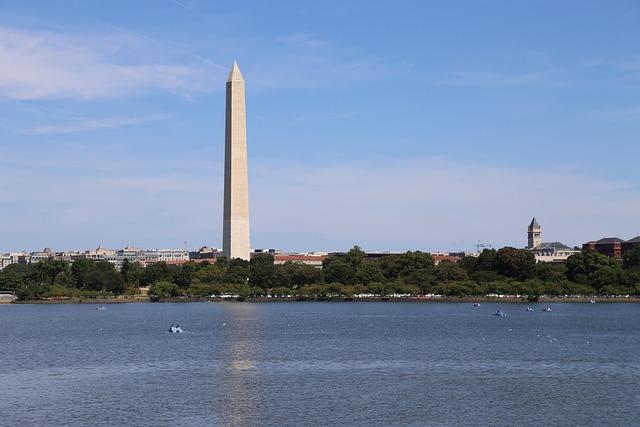
Washington, DC is once again preparing to become the focal point of American democracy as the 2025 Presidential Inauguration approaches. The city is gearing up for an influx of visitors, intensified security, and a full slate of official and public events that will transform the nation’s capital into a massive civic stage. From navigating security perimeters and parade routes to understanding how ticketing works and where to watch the ceremonies, advance planning will be crucial.
This updated guide offers a reimagined overview of what to know before, during and after Inauguration Day 2025, including practical travel strategies, neighborhood-by-neighborhood lodging insights, the best vantage points for viewing the swearing-in, and ideas for exploring Washington beyond the official events. Whether you’re making your first trip to DC or returning for another historic moment, this resource will help you experience the inauguration safely, efficiently and meaningfully.
Planning Your 2025 Inauguration Visit: Timing, Security and Getting Around DC
The 2025 Presidential Inauguration is scheduled for January 20, 2025, and demand for travel and accommodations is already surging. Historically, inaugurations draw crowds in the hundreds of thousands to the National Mall and surrounding neighborhoods. With that scale comes heightened security, adjusted transportation schedules, and a premium on early organization.
When to Book and When to Travel
If you plan to attend in person, think of your trip as a major holiday weekend rather than just a single event:
- Book lodging several months in advance. Hotels close to the National Mall, downtown, and Capitol Hill typically sell out first or require multi-night stays around Inauguration Day.
- Arrive early, leave late. Many visitors come into town one or two days before January 20 and depart at least a day after the ceremony to avoid the worst airport and train congestion. Regional hubs such as Reagan National (DCA), Baltimore/Washington (BWI), Dulles (IAD) and Union Station will be busier than usual.
- Monitor official calendars. The inaugural committee, congressional offices, and federal agencies release schedules in phases, including swearing-in details, parade timing, and public events.
Key Agencies and Alerts to Watch
Given the scale of the event, route changes and closures can be extensive and sometimes finalized only days before Inauguration Day. Regularly check:
- WMATA (Washington Metropolitan Area Transit Authority):
Look for Metrorail and Metrobus service changes, extended hours, closed station entrances, and rerouted buses.
- National Park Service:
The NPS oversees the National Mall and many surrounding sites, and will post updates on permitted areas, temporary fencing, and viewing zones.
- District of Columbia Government & U.S. Secret Service:
Expect maps of security perimeters, lists of prohibited items, and details on road closures and pedestrian-only corridors.
Security and Street Access: What to Expect
Similar to past inaugurations, downtown DC and the National Mall area will fall under a layered security plan. Visitors should anticipate:
- Multiple checkpoints: Metal detectors, magnetometers and bag searches at major viewing areas, especially near the Capitol and along the parade route.
- Extensive street closures: Key avenues and residential blocks will be closed to most vehicles, affecting ride-hailing services, taxis and private cars across multiple days.
- Pedestrian-only corridors: Many attendees will walk significant distances from transit stops to viewing areas.
To navigate the day smoothly:
- Carry only essentials:
Bring a small, clear or soft-sided bag with ID, payment methods, portable charger, water and necessary medications. Large backpacks and coolers are often restricted.
- Use public transit:
Metrorail is usually the most reliable way to get in and out of the inauguration zone. Be prepared for crowded trains and possible station closures or entrance reroutes.
- Dress for long, cold waits:
January in DC can range from mild to frigid, and wind on the open National Mall can make it feel colder. Wear layers, waterproof footwear and hand warmers.
- Respect all official instructions:
Follow signage and directions from law enforcement and security personnel. Restricted areas and detours may change with little notice.
Key 2025 Inauguration Timeline
While exact times and details may evolve, the planning framework typically follows this trajectory:
| Key Date | What to Watch |
|---|---|
| Early Dec. 2024 | Initial security perimeter maps and crowd-control plans released |
| Early Jan. 2025 | WMATA transit changes, special schedules and station advisories announced |
| Mid-Jan. 2025 | Ticket distribution by congressional offices; final road closures and restricted zones confirmed |
| Jan. 20, 2025 | Swearing-in ceremony, inaugural parade and peak security operations |
Where to Stay in Washington, DC: Neighborhood Guide and Booking Strategy
Rooms during inauguration week function like high-demand event inventory. Finding the right spot means balancing convenience, cost and neighborhood character.
Top Neighborhoods for Inauguration Hotels
Several areas consistently attract visitors for their proximity to the National Mall and their access to Metro:
- Downtown & Penn Quarter/Chinatown
This central corridor places you within a short Metro ride-or in some cases, a walk-of the Capitol, the parade route and the Mall. You’ll find major hotel brands, conference properties and stylish boutiques clustered along and around Massachusetts Avenue, E Street and 7th Street NW. This is ideal for travelers who want to be in the heart of the action.
- Capitol Hill
A mix of civic landmarks and residential streets, Capitol Hill offers walking access to the U.S. Capitol complex, Senate and House office buildings, and Union Station. Guests here can often walk to some inauguration viewing areas, weather and security perimeters permitting.
- Foggy Bottom & West End
Close to George Washington University, the Kennedy Center and numerous embassies, these neighborhoods provide quick Metro connections while maintaining a more residential feel. They’re well-suited to visitors who want slightly quieter surroundings after a high-energy day downtown.
- Arlington: Rosslyn, Pentagon City & Crystal City
Just across the Potomac River in Virginia, these commuter hubs typically offer slightly more moderate rates than central DC while still providing direct Metrorail access. Many attendees choose these areas for easier highway access, proximity to Reagan National Airport and modern, high-rise hotels.
| Area | Vibe | Transit to Mall | Typical Rates* |
|---|---|---|---|
| Downtown / Penn Quarter | Business-focused, highly walkable | Approx. 10-15 min via Metro | High |
| Capitol Hill | Civic, neighborhood feel | 10-20 min by foot/Metro | High |
| Foggy Bottom / West End | University and embassy district | 15-20 min via Metro | Mid-High |
| Arlington (Rosslyn-Pentagon City) | Modern, commuter-oriented | 15-25 min via Metro | Mid |
*Rates fluctuate significantly during special events and may exceed typical ranges.
Smart Booking Approaches for a High-Demand Week
Industry observers note that many properties around January 20 are implementing multi-night minimums and special-event policies. To secure the best combination of price and flexibility:
- Prioritize Metro access, not just physical distance.
Staying near major stations like Metro Center, Gallery Place, Union Station, L’Enfant Plaza, Rosslyn or Pentagon City can be more reliable than booking directly along Pennsylvania Avenue, where access may be restricted by security perimeters.
- Compare big brands with independent hotels.
Boutique properties and smaller chains sometimes release inauguration packages later or open up inventory as the date approaches, occasionally at competitive rates.
- Choose refundable or flexible reservations.
Opt for cancellable rates when possible and monitor prices over time. If a lower rate appears at the same hotel, you can often rebook under the new price.
- Look at short-term rentals and extended-stay options.
Rowhouse apartments and condos in neighborhoods like Shaw, H Street NE and Navy Yard can be cost-effective for families or groups and may offer kitchens and living space for longer stays.
- Study event-specific policies carefully.
Many hotels apply nonrefundable deposits, earlier cancellation deadlines or full prepayment rules during inauguration week. Read the fine print before you commit.
Seeing the Swearing-In: Best Viewing Spots, Access Routes and Crowd Strategies
Experiencing the oath of office in person is a powerful moment-but also a logistical challenge. Understanding the main viewing zones and how to reach them will help you plan your day.
Main Viewing Areas for the Inaugural Ceremony
- U.S. Capitol West Front (Ticketed Area)
This is the closest official viewing location to the swearing-in platform. Tickets are typically distributed through members of Congress and are free but extremely limited. Expect thorough screening, early-morning arrival times, and strict restrictions on bags and prohibited items.
- The National Mall (Public Viewing)
Stretching from the Capitol Reflecting Pool toward the Washington Monument, the Mall functions as the principal public viewing space. Large video screens and sound systems help attendees follow the ceremony even from a distance. Density is highest near the Capitol end and gradually thins closer to the Monument.
- Washington Monument Vicinity
While farther from the main stage, areas near the Washington Monument can offer more breathing room, broader views of the crowd and a slightly more family-friendly atmosphere. This is a good compromise for visitors who want to be part of the event without being shoulder-to-shoulder the entire time.
| Area | Viewing Type | Access Note |
|---|---|---|
| Capitol West Front | Ticketed, closest in-person view | Intensive screening, very early arrival recommended |
| National Mall (central) | Public viewing with jumbo screens | Large crowds, fully outdoor and weather-dependent |
| Near Washington Monument | Open vistas and more space | Farther from ceremony platform, good for families |
| Indoor watch parties | Broadcast coverage of the ceremony | Weather-protected, often reservation-based or limited seating |
Getting to the Ceremony: Stations, Streets and Checkpoints
Access routes are heavily managed on Inauguration Day, with rolling closures along major corridors like Constitution Avenue NW, Independence Avenue SW and portions of Pennsylvania Avenue. In previous inaugurations, the following approach has worked well for many visitors:
- Rely on Metrorail, then walk.
Stations such as Capitol South, Union Station, Judiciary Square, Federal Center SW and Smithsonian are commonly used gateways to the inauguration zone. However, to avoid bottlenecks, it can be wise to exit one or two stops earlier and walk the remaining distance.
- Expect detours between station and viewing area.
Security checkpoints may route pedestrians along specific streets or around fenced perimeters. Plan extra time and follow posted signs-your direct path might not be the most accessible.
- Arrive before sunrise for prime positioning.
If you want a closer view on the Mall or in ticketed areas, count on arriving very early in the morning. Queues for security can be lengthy, and gates may close once capacity is reached.
Crowd Navigation and Safety Tips
Given the size of the crowd, plan your day with redundancy and comfort in mind:
- Travel light:
Avoid bulky items. Check official lists of prohibited objects in advance, as they can include umbrellas with metal tips, chairs, signs with poles and certain food or drink containers.
- Choose a back-up meeting point:
Mobile networks can become overloaded during major events. Designate a specific landmark-such as a statue, fountain or Metro entrance-as a meeting location if your group gets separated.
- Layer and protect against the elements:
The open expanse of the National Mall can feel significantly colder than other parts of the city. Gloves, hats, scarves and weatherproof outerwear are essential for long periods of standing.
- Follow on-the-ground guidance:
Law enforcement and event staff may adjust entry points or redirect crowds as conditions change. Complying with their directions keeps everyone safer and helps maintain flow.
Alternatives to the Crowd: Indoor Viewing and Community Watch Events
Not everyone will want to spend hours outdoors in dense crowds. Fortunately, DC offers multiple ways to experience the 2025 Presidential Inauguration in more comfortable settings.
- Designated federal and park viewing zones:
Some National Park Service sites and public areas may host official or semi-official viewing zones with large screens and limited amenities.
- Hotel ballrooms and event spaces:
Many major hotels and cultural institutions plan viewing parties or civic programs with live broadcasts of the ceremony and parade. These can range from casual gatherings to ticketed, themed events.
- Neighborhood venues and public libraries:
Community centers, bookstores, libraries and local theaters increasingly host nonpartisan watch events, allowing residents and visitors to share the moment in smaller, more relaxed settings.
- Virtual options:
In recent cycles, online streaming has expanded dramatically, with multiple camera angles, captioning and real-time commentary from official and news outlets. Many visitors even split their day-experiencing part of the ceremony on the Mall and then watching the remainder from a warmer, indoor location.
Keep an eye on official schedules and local listings as January 20 approaches; new viewing opportunities are often announced in the final weeks.
Beyond Inauguration Day: Museums, Food and Local Experiences
Once the swearing-in concludes and crowds thin along Pennsylvania Avenue, Washington reveals another side of itself-a city filled with museums, neighborhoods and restaurants that deepen the story of American democracy and culture.
Museums and Exhibitions with Civic Themes
During inauguration week, many institutions highlight exhibits connected to history, politics and social change. Several Smithsonian museums and affiliated venues are especially resonant:
- National Museum of African American History and Culture
Explores the central role of Black Americans in shaping U.S. democracy, from abolition to the civil rights movement and beyond.
- National Museum of American History
Showcases artifacts related to the presidency, political campaigns, protest movements and the evolution of civic life.
- National Portrait Gallery
Features portraits of U.S. presidents, activists and cultural figures, offering a visual narrative of who has defined national leadership.
- National Museum of Women in the Arts
Highlights contributions of women artists, providing a counterpoint to traditional political narratives.
- Planet Word
A newer museum devoted to language and storytelling, ideal for visitors interested in speeches, rhetoric and media.
Many of these institutions schedule inauguration-themed talks, film series or special tours. Check individual museum websites for updated programming and any additional security or timed-entry procedures.
Practical Tips for Exploring DC’s Cultural Side
To make the most of your time between official events:
- Reserve timed-entry passes early.
Popular Smithsonian museums frequently require free but timed tickets, especially during high-traffic weeks.
- Venture beyond the core inauguration zone for meals.
Neighborhoods like Shaw, Capitol Hill, H Street NE and The Wharf offer diverse dining scenes and are often easier to reach once central security restrictions are in place.
- Look for special inauguration menus and local flavors.
Many restaurants highlight Chesapeake seafood, regional oysters, Mid-Atlantic produce and locally roasted coffee as part of inauguration week offerings.
- Create themed itineraries.
Combine a museum visit with nearby galleries, independent bookstores, performance spaces or historic landmarks to turn a single outing into a full-day experience.
Neighborhoods to Explore During Inauguration Week
Washington’s neighborhoods each offer a different angle on the city’s culture, food and nightlife:
| Area | Highlights | Best For |
|---|---|---|
| National Mall | Smithsonian museums, iconic memorials, special exhibits | Immersive history, civics and monument-hopping |
| Shaw & U Street | Jazz clubs, Black heritage landmarks, inventive restaurants | Nightlife, live music and cultural exploration |
| Capitol Hill | Eastern Market, independent cafés, tree-lined rowhouse blocks | Casual dining, market browsing and people-watching |
| The Wharf | Waterfront promenades, seafood restaurants, concert venues | Group dinners, evening strolls and harbor views |
Looking Ahead: The 2025 Presidential Inauguration in Context
As January 20, 2025 draws closer, Washington, DC is preparing not just for a single ceremony but for a complex, multi-day civic experience. The city’s streets, institutions and public spaces will again serve as the setting for the peaceful transfer-or continuation-of presidential power, a cornerstone of American democratic tradition.
For those traveling to the capital, staying informed will be as important as booking early. Security guidelines, transportation plans and access rules can shift as federal, local and regional agencies refine logistics. Keep checking:
- Official inauguration websites and social media channels
- WMATA and regional transit alerts
- National Park Service and District of Columbia updates
Whether you stand on the National Mall watching the oath of office in person, join a community watch event in one of DC’s neighborhoods, or follow from afar via live stream, the 2025 Presidential Inauguration will mark the beginning of a new chapter in the country’s political history. As the district welcomes visitors from across the nation and around the globe, its museums, monuments, local businesses and residential communities will all contribute to how this moment is experienced and remembered.