



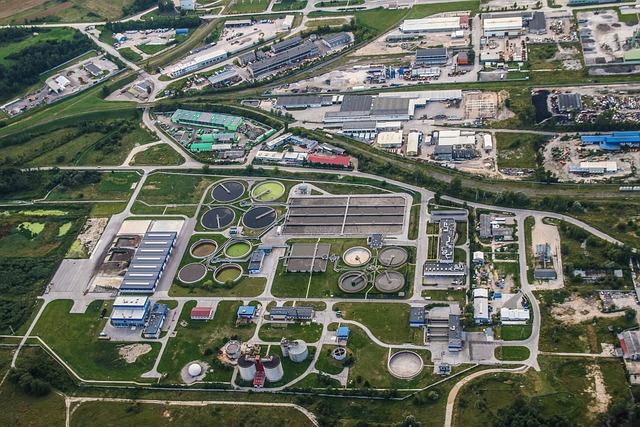
More than 100 wastewater treatment plants across Washington state have earned top honors from the Department of Ecology for exceptional performance in safeguarding water quality. Announced this week, the awards recognize facilities that achieved perfect compliance with all conditions in their state wastewater discharge permits over the previous year-a demanding benchmark as infrastructure ages, populations grow, and environmental regulations become more stringent. From compact rural systems to large metropolitan plants, the honorees show how steady investment, highly trained operators, and strong oversight can dramatically curb pollution flowing into Washington’s rivers, lakes, and marine environments.
Washington’s clean-water leaders: Recognizing top-performing wastewater treatment plants statewide
Across the state, facilities that usually work behind the scenes to protect public health and aquatic ecosystems are receiving public recognition as the newest class of top environmental performers. The Washington State Department of Ecology has honored both municipal and industrial wastewater treatment plants that maintained uninterrupted compliance with their water quality permits-no missed monitoring, no reporting errors, and no violations of discharge limits.
These award-winning facilities serve a wide range of communities, from coastal fishing towns and tribal nations to fast-growing suburban corridors and agricultural hubs in Eastern Washington. Together, they highlight how long-term planning, modern treatment technologies, and skilled operators are producing real-world gains for water quality and habitat protection.
In addition to showcasing operational success, the recognition program reveals broader progress in innovation and collaboration that is reshaping Washington’s clean-water future. Plants that consistently reach this level of performance tend to share several core qualities:
- Consistent permit compliance with zero violations or missed monitoring requirements during the review period.
- Proactive maintenance strategies that address aging equipment before failures occur and minimize emergency bypasses or overflows.
- Ongoing staff training and certification that keep operators current on evolving regulations, safety standards, and new treatment methods.
- Community engagement and transparency through facility tours, partnerships with schools and universities, and easy-to-understand public reporting on plant performance.
Recent national data underscore the importance of this work. According to the U.S. Environmental Protection Agency, wastewater treatment plants collectively prevent billions of pounds of pollutants from entering U.S. waterways each year, and upgrading older systems is one of the most cost-effective ways to protect drinking water supplies and recover threatened fish populations.
| Facility | Region | Years of Top Performance |
|---|---|---|
| Clearwater WWTP | Puget Sound | 5 |
| Riverbend Treatment Plant | Eastern WA | 3 |
| Harbor Point Facility | Coastal | 7 |
What sets award winners apart: rigorous compliance culture and forward-looking innovation
Plants that receive top performance recognition from the Department of Ecology do far more than simply “meet the rules.” Ecology’s compliance teams conduct an in-depth review of each operation’s records, including daily sampling results, lab reports, process-control data, and maintenance logs. The goal is to confirm that facilities consistently achieve or surpass the required discharge standards, even during challenging conditions such as heavy rainfall, tourism surges, seasonal industrial loads, or temporary equipment failures.
Reviewers look closely at how operators respond to alarms, process disruptions, and weather-related events. They verify that:
- All monitoring and reporting timelines were met.
- Staff certifications and safety protocols are up to date.
- Operational changes and corrective actions are clearly documented.
- Follow-up steps are taken whenever a trend suggests potential future issues.
Top-tier facilities typically foster an internal culture where every data point is logged, every anomaly is investigated, and every process adjustment is recorded. This level of recordkeeping and quality control allows utilities to demonstrate performance with verifiable evidence, not just assurances.
Beyond traditional compliance, Ecology also evaluates how facilities are planning for emerging challenges such as climate-driven extreme weather, rapid urbanization, new contaminants, and tighter nutrient limits. Many award-winning plants are piloting or implementing advanced practices, including:
- Advanced nutrient removal to significantly reduce nitrogen and phosphorus discharges that can fuel algal blooms and low-oxygen “dead zones.”
- Real-time monitoring and automation that continuously track flow, loading, and process conditions, allowing operators to fine-tune treatment within minutes rather than hours.
- Energy-efficient aeration and resource recovery systems, including biogas capture and reuse, that cut greenhouse gas emissions and lower electricity costs.
- Storm and inflow management upgrades such as storage basins, sewer rehabilitation, and green infrastructure to reduce overflows during intense rain events.
- Public education and pretreatment programs that reduce industrial and household pollutants at the source, from toxic chemicals to fats, oils, and grease.
| Focus Area | What Reviewers Look For |
|---|---|
| Compliance | Zero permit violations and complete, on-time submittal of monitoring and reporting data. |
| Operations | Clear documentation of responses to process upsets, equipment failures, and abnormal weather events. |
| Innovation | Practical use of new tools, practices, or technologies that demonstrably improve effluent quality or reliability. |
| Resilience | Ability to maintain permit compliance during extreme conditions, such as major storms, wildfires, or regional power disruptions. |
Funding, people, and planning: why investment and training drive award-level results
Regulators emphasize that top-performing wastewater treatment plants tend to view financial planning and workforce development as foundational infrastructure-just as critical as pipes, pumps, and clarifiers. Stable, predictable funding enables utilities to:
- Replace worn-out equipment before catastrophic failures occur.
- Modernize monitoring and control systems for more precise operation.
- Phase in energy-efficient technologies that reduce long-term costs.
- Stay ahead of new regulatory requirements instead of reacting under pressure.
This is especially important in smaller or rural communities, where a single major breakdown can result in expensive emergency repairs, temporary noncompliance, and public concern about water quality. Many local governments in Washington now link their capital improvement programs directly to long-term performance targets, aligning treatment plant upgrades with population growth, economic development, and climate adaptation plans.
Human expertise is equally vital. Award-winning utilities invest heavily in their staff through:
- Specialized operator certifications to manage complex treatment processes.
- Cross-training so team members understand multiple parts of the system, from the lab to the control room and field operations.
- Scenario-based drills that simulate incidents such as power outages, chemical spills, or major storms.
- Regular reviews of standard operating procedures to incorporate lessons learned from past events.
These investments pay off in fewer violations, shorter downtime, and a workplace culture that rewards attention to detail and continuous improvement.
- Stable capital budgets build the foundation for proactive maintenance and timely technology upgrades.
- Ongoing operator training improves the ability to manage seasonal flow variations and severe weather.
- Cross-disciplinary teams enhance coordination among lab staff, field crews, engineers, and control room operators.
- Data-driven planning links rate-setting and financial policies to measurable performance indicators, such as days in full compliance and energy use per gallon treated.
| Investment Focus | Operational Result |
|---|---|
| Equipment replacement cycles | Reduced unplanned outages and more predictable maintenance windows. |
| Advanced process training | Higher percentage of operating days in full permit compliance. |
| Digital monitoring tools | Earlier detection of issues, enabling corrective action before standards are at risk. |
| Safety and emergency drills | Faster, more coordinated response to incidents, minimizing environmental impacts. |
How communities can partner with local plants to cut pollution and meet future standards
Communities that want to build on the success of these high-performing facilities are increasingly forging formal partnerships with their wastewater utilities. City and county leaders are collaborating with plant managers and engineers to:
- Identify and prioritize system upgrades needed over the next decade, including treatment expansions, nutrient removal improvements, and collection system rehabilitation.
- Pursue federal and state grants and low-interest loans available through programs such as the Clean Water State Revolving Fund and new infrastructure initiatives.
- Test advanced nutrient controls and microplastic reduction strategies so they are ready well before more stringent requirements take effect.
- Integrate comprehensive land-use and housing plans with treatment plant capacity and capital schedules, aligning growth decisions with clean-water objectives.
Public works departments report that this kind of long-range coordination helps avoid rushed construction, lowers overall life-cycle costs, and positions communities to attract water-dependent industries and green businesses. It also reduces the likelihood of future enforcement actions or emergency spending when new regulatory benchmarks are introduced.
In parallel with technical planning, many communities are putting greater emphasis on public engagement and transparent access to performance data. Residents are more likely to support funding measures and behavioral changes when they understand how wastewater systems work and see how local actions affect nearby rivers, lakes, and marine waters.
Common community initiatives include:
- Reducing toxic inputs at the source by encouraging safer alternatives to harsh cleaners, pesticides, and industrial chemicals.
- Supporting local funding measures-such as bond issues and utility rate adjustments-that enable plant modernization and climate-ready infrastructure.
- Participating in citizen science efforts that monitor stream health, beach conditions, and habitat restoration outcomes.
- Regional collaboration across jurisdictions to coordinate watershed planning, salmon recovery, and estuary protection projects.
| Focus Area | Community Action | Plant Benefit |
|---|---|---|
| Emerging contaminants | Regular pharmaceutical and hazardous waste take-back events | Lower pollutant loads and reduced risk from chemicals that treatment plants are not designed to fully remove |
| Stormwater surges | Investment in green infrastructure such as rain gardens, permeable pavements, and tree planting | Fewer wet-weather peak flows and reduced risk of sewer overflows or bypasses |
| Energy use | Public backing for efficiency retrofits and on-site renewable energy projects | Lower operating costs and a smaller greenhouse gas footprint |
To Conclude
As Washington’s population expands and climate impacts intensify, the performance of its wastewater treatment plants will remain a central indicator of environmental progress and community resilience. The Department of Ecology’s awards highlight not only the technical capabilities of individual facilities, but also the shared commitment among utilities, regulators, and residents to protect water quality statewide.
By maintaining steady investment, prioritizing operator training, and embracing innovation, Washington aims to transform today’s high-performing practices into tomorrow’s standard expectations. That ongoing effort will help ensure that the state’s rivers, lakes, and coastal waters stay cleaner and healthier-for current residents, future generations, and the ecosystems that depend on them.