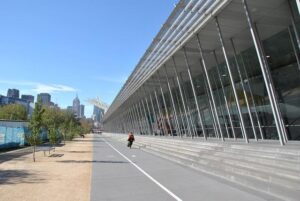

The Walter E. Washington Convention Center, one of Washington, D.C.’s most recognizable event destinations, has reached a significant sustainability milestone by securing LEED Platinum certification-the highest distinction awarded by the U.S. Green Building Council’s Leadership in Energy and Environmental Design program. This achievement places the 2.3-million-square-foot venue among the most progressive and environmentally responsible convention centers in the United States, and cements its role in advancing the District’s long-term climate and resilience goals.
The recognition reflects an extensive, multi-year transformation led by Events DC, the city’s official convention and sports authority. Through comprehensive upgrades in energy and water performance, waste management, and day-to-day operations, the center has dramatically lowered its environmental impact while continuing to host major national and international events at scale.
Walter E. Washington Convention Center Reaches New Sustainability Benchmark with LEED Platinum
In a defining moment for green building in the nation’s capital, the Walter E. Washington Convention Center has officially earned LEED Platinum certification. This top-tier designation is the culmination of an integrated modernization strategy that reimagined how the facility is powered, operated, and experienced by visitors.
Events DC deployed a mix of technology-driven upgrades and operational changes to achieve the certification:
– Modernized mechanical and electrical systems to slash energy use and carbon emissions
– Smart, data-informed design that tailors building performance to actual occupancy
– Expanded water efficiency initiatives and climate-resilient practices to prepare for more extreme weather patterns
Across the convention industry, LEED-certified facilities are quickly becoming a differentiator. With this recognition, the Walter E. Washington Convention Center positions itself as a global model for sustainable convention centers, demonstrating that large venues can deliver both high-capacity events and strong environmental performance.
Key sustainability pillars at the center now include:
- Energy Efficiency: Advanced HVAC upgrades, smart controls, and LED retrofits that deliver double-digit reductions in overall energy consumption.
- Water Stewardship: Low-flow plumbing fixtures, water-efficient landscaping, and water reuse strategies that cut potable water demand.
- Waste Diversion: Expanded recycling and composting programs that significantly shrink the waste stream sent to landfills.
- Indoor Environmental Quality: High-grade air filtration, careful materials selection, and daylighting strategies that support occupant health and comfort.
| Focus Area | LEED Impact |
|---|---|
| Energy Use | Substantial cuts in operational carbon emissions |
| Water Use | Reduced strain on municipal water infrastructure |
| Waste Streams | Higher recovery rates and less material landfilled |
| Guest Experience | Cleaner air, better lighting, and more comfortable venues |
How Energy Efficiency and Design Innovation Drove LEED Platinum Certification
The pathway to LEED Platinum was shaped by a strategic series of energy-focused retrofits and design interventions that redefined how the building uses power. Rather than relying on static schedules and fixed settings, the convention center now operates as a responsive, data-driven facility.
A sophisticated building automation system integrates real-time information on occupancy, daylight levels, and indoor air quality to regulate HVAC, lighting, and ventilation. During low-traffic times or between events, the system scales back energy use automatically, trimming unnecessary consumption without sacrificing comfort.
Key measures include:
- High-efficiency HVAC systems equipped with smart sensors, variable-speed drives, and demand-controlled ventilation to match conditioning to actual need.
- LED lighting throughout the facility with dimming capabilities, zoning, and daylight harvesting to reduce electrical load.
- A tighter, better-insulated building envelope that curbs heat gain and loss, stabilizing interior temperatures.
- On-site renewable energy integration linked to the regional grid, supporting cleaner power and grid resilience.
- Real-time analytics and continuous commissioning to benchmark performance, identify anomalies, and fine-tune operations over time.
| Upgrade | Design Focus | Impact |
|---|---|---|
| Smart Lighting | Occupancy and daylight-responsive controls | Lower peak electricity demand and reduced energy waste |
| HVAC Recalibration | Fine-grained, zone-level system optimization | Reduced energy intensity per square foot |
| Envelope Enhancements | Improved thermal performance and air sealing | More stable indoor conditions, less reliance on mechanical systems |
| Renewable Strategy | Integration of clean power sources | Lower carbon footprint and enhanced resilience |
Beyond the mechanical systems, architectural updates have transformed the look and feel of the center while further driving sustainability gains. Public spaces are now designed to capture more natural light, reducing dependence on artificial illumination and contributing to a brighter, more welcoming environment. Back-of-house logistics have been streamlined to shorten travel distances for equipment and supplies, trimming fuel and time associated with event setup.
The use of modular, reconfigurable infrastructure has likewise lowered material turnover between events. Instead of repeatedly constructing and demolishing temporary builds, the center leverages flexible systems that can be adapted and reused, cutting down on waste and embodied carbon. Together, these measures illustrate a holistic shift toward a low-carbon, performance-centric model for large urban venues.
Community Impact, Economic Benefits, and Healthier Spaces for Visitors and Residents
The Walter E. Washington Convention Center’s LEED Platinum distinction is not confined to the building’s walls-it is already reshaping the surrounding Mount Vernon Square neighborhood and beyond. As the center improves its efficiency, long-term operating costs decline, opening up new opportunities to reinvest in public amenities, cultural initiatives, and local partnerships.
Because vendors and service providers increasingly prioritize environmental performance, the center’s sustainability progress has helped generate more demand for green-certified products, services, and technologies. This, in turn, supports regional supply chains and contributes to the growth of green jobs in the District. Nearby hotels, restaurants, and small businesses also benefit, as convention organizers and attendees increasingly look for event destinations that align with their environmental values.
From a health and quality-of-life perspective, the upgrades deliver tangible benefits to both visitors and neighbors:
- Cleaner air inside the building thanks to advanced filtration, balanced ventilation, and lower on-site emissions.
- Reduced noise and vibration from mechanical systems due to thoughtful equipment selection and acoustical design.
- More engaging public spaces enhanced by better lighting, landscaping, and outdoor seating areas.
- Health-centered interiors that emphasize comfort, accessibility, and low-emitting materials for finishes and furnishings.
At the urban scale, the center’s landscaping and stormwater strategies help mitigate the heat-island effect and manage heavy rains more effectively-an increasingly important consideration as climate patterns shift. Green infrastructure elements, shade trees, and permeable surfaces collectively support cooler sidewalks, more usable outdoor areas, and improved neighborhood resilience.
| Area | Benefit |
|---|---|
| Local Economy | Expanded green job opportunities and more stable contracts for sustainable vendors |
| Public Health | Improved indoor and outdoor air quality for attendees and nearby residents |
| Urban Environment | Cooler streetscapes, better stormwater management, and more inviting outdoor public spaces |
Scaling the Success: Future Green Investments Across District Venues
The Walter E. Washington Convention Center’s LEED Platinum certification serves as a practical roadmap for future improvements across the Events DC portfolio. Building on the lessons learned from this flagship project, Events DC is advancing a coordinated sustainability strategy that spans arenas, stadiums, theaters, and community venues throughout the District.
Top strategic priorities for these venues include:
– Targeted energy performance upgrades aligned with each building’s age, size, and usage patterns
– Water conservation retrofits to curtail consumption and support regional water security
– Low-carbon mobility solutions, such as EV infrastructure, improved transit access, and cleaner freight operations
By treating its managed properties as a networked testbed for innovation, Events DC can pilot new technologies at one site and rapidly replicate successful solutions elsewhere, reducing risk and optimizing return on investment.
Upcoming and potential initiatives emphasize both sustainability and guest experience:
- High-efficiency HVAC replacements and advanced controls that reduce peak load and improve thermal comfort.
- On-site solar generation and battery storage at select venues to enhance resilience during grid disruptions and lower energy costs.
- Green roofs and native plantings that absorb stormwater, provide habitat, and expand urban green space.
- Comprehensive waste diversion systems co-developed with caterers, vendors, and event organizers to minimize disposal and improve recycling and composting rates.
- Electrified fleets and loading operations that reduce tailpipe emissions and noise in surrounding neighborhoods.
| Venue Type | Priority Green Investment | Expected Impact |
|---|---|---|
| Arena | LED sports lighting and intelligent controls | Lower energy consumption during events and improved lighting quality |
| Stadium | Solar canopies over parking areas | Clean on-site power, shaded parking, and reduced heat gain |
| Theater | Deep envelope and systems retrofit | Enhanced audience comfort and reduced heating and cooling loads |
| Community Venue | High-efficiency, water-saving fixtures | Lower water use and utility costs for regularly programmed spaces |
Final Thoughts
With LEED Platinum certification now part of its credentials, the Walter E. Washington Convention Center has reinforced its standing as both a premier global event destination and a leader in sustainable development in Washington, D.C. The building’s transformation showcases what is possible when forward-thinking policy, advanced technology, and thoughtful design come together in a single, high-profile civic asset.
As Events DC continues to expand its green infrastructure investments and performance-focused operational strategies, the convention center’s story offers a powerful example for other venues across the country. In an era when the environmental impacts of large gatherings are under increasing scrutiny, this project demonstrates that world-class events and ambitious climate goals can align.
For the District, the center’s LEED Platinum status marks another milestone in climate-conscious urban planning-and provides a clear, replicable blueprint for convention centers and event venues seeking to meet rising expectations from organizers, policymakers, and the public.