

Federal organizers are sketching out a blockbuster slate of events to mark the nation’s 250th birthday, proposing everything from a Pentagon-backed “Patriot Games” to a state fair-style festival on the National Mall and a UFC fight night‑style spectacle on the White House Ellipse. Concept papers for the America 250 celebrations, obtained by NBC4 Washington, reveal plans to turn Washington, D.C., into a yearlong stage for military demonstrations, cultural showcases and major entertainment leading up to July 4, 2026. Though still preliminary and subject to major political, security and budget debates, the ideas offer the clearest look so far at how planners hope to commemorate the semiquincentennial – and how willing they may be to test the limits of tradition on some of the country’s most iconic public spaces.
“Patriot Games”: A Competitive Festival on the National Mall
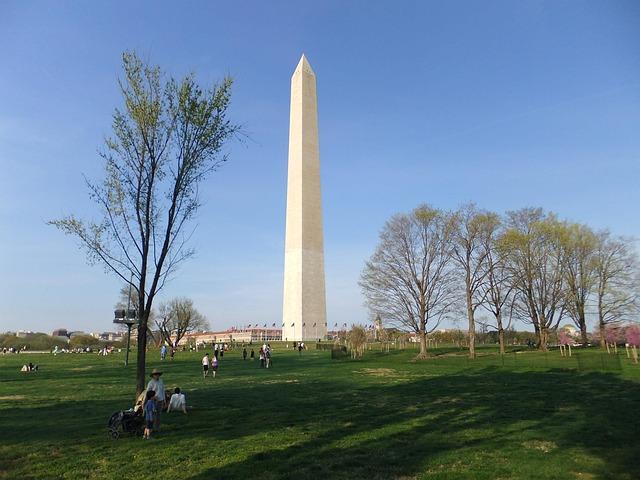
Early drafts for the “Patriot Games” envision the National Mall – often called the nation’s front lawn – temporarily reimagined as a massive open‑air arena for friendly competition and immersive experiences. For several days, the stretch from the U.S. Capitol to the Lincoln Memorial would be divided into themed zones, with grandstands, performance stages and interactive stations strung along the route so visitors can stroll from one activity to another as if walking through a live documentary of American life.
Planners say the “Patriot Games” concept aims to combine the nostalgia of a town festival with the spectacle of a major televised event. Instead of professional leagues and star athletes, the spotlight would fall on everyday participants, regional traditions and community heroes. Concept materials describe marching bands and illuminated drone shows, lumberjack‑style contests near the Reflecting Pool and precision drill teams executing routines framed by the Washington Monument.
Among the early proposals under consideration:
- First Responder Relays featuring firefighter-style stair climbs, simulated rescue mazes and timed medical response drills.
- Service Branch Showcases with virtual marksmanship contests, fitness gauntlets and STEM-focused engineering challenges highlighting military innovation.
- State Pride Challenges where delegations bring regional cuisine, homegrown music acts and family-friendly competitions that reflect local culture.
| Zone | Theme | Signature Event |
|---|---|---|
| Capitol End | Civic & History | Constitution Quiz Rally |
| Center Mall | Strength & Skill | National Relay Classic |
| Lincoln End | Reflection & Arts | Sunset Mass Band Review |
The overarching message, organizers say, is that patriotism can be expressed through teamwork, service and creativity as much as through parades and fireworks – with the “Patriot Games” presenting those values in a more participatory way than traditional ceremonies.
A State Fair on the National Mall: Local Flavor Meets Federal Security
Running alongside the “Patriot Games” concept is a proposal to turn the National Mall into a patriotic twist on a classic state fair. From the Capitol steps to the shadow of the Lincoln Memorial, rows of tents, vendor stalls and live demonstration areas would highlight District-based artisans, food trucks and small-batch makers, positioned amid historic monuments and museums.
Under strings of flags and digital towers streaming performances and announcements, visitors could explore:
- Pop-up food stalls ranging from long‑standing go-go‑era carryouts and family diners to chefs recognized by Michelin and James Beard lists.
- Local craft booths selling prints, ceramics, jewelry, screen‑printed apparel and hand‑poured candles from regional makers.
- Interactive history kiosks that trace how each state and territory is tied to Washington, D.C., through legislation, movements and landmark moments.
- Live demonstration zones showcasing mural painting, glassblowing, 3D printing, urban agriculture and other hands‑on arts and trades.
Designers say the goal is to spotlight small businesses and community creators, letting visitors experience the capital as both a civic hub and a local marketplace. But making a sprawling state fair work in what is arguably the most scrutinized security corridor in the United States will require a complex protective infrastructure.
Preliminary sketches circulated among agencies layer a festival atmosphere on top of a hardened security perimeter:
| Focus Area | Proposed Measure |
|---|---|
| Security | Tiered entry portals with magnetometers, bag checks and mobile rapid‑response teams |
| Transit | Extended Metrorail service, adjusted commuter rail schedules and temporarily redirected bus corridors |
| Pedestrian Flow | Signed one‑way walking routes, timed entry windows and designated rest zones |
| Local Access | Resident‑only vehicle permits, dedicated loading windows for vendors and protected access to garages |
Officials note that Metro’s current weekday ridership is still recovering toward pre‑pandemic levels, yet major regional events such as the 2022 Fourth of July and large marches have already pushed stations toward crowding thresholds. That reality has some agencies privately questioning whether a small‑business‑driven fair can be preserved once hard security perimeters, anticipated protest zones, motorcades and emergency access routes are fully mapped.
UFC-Style Fight Night on the White House Ellipse: Spectacle vs. Symbolism
The most controversial piece of the America 250 planning deck so far is a proposed mixed‑martial‑arts‑style fight night on the South Lawn or nearby White House Ellipse – effectively a UFC‑style card staged within sight of the executive mansion. Supporters inside the planning process describe it as a daring effort to connect with younger audiences, veterans of combat sports and fans who might not tune in for traditional commemorations.
Yet the idea has sparked immediate pushback from protocol experts and former White House staff, who argue that turning an area normally associated with state arrivals, policy announcements and holiday rituals into a branded combat arena risks blurring the line between civic ceremony and pure entertainment. They warn that a prizefight‑style event, especially one echoing the atmosphere of Las Vegas or major arena shows, could recast how Americans and the world view the institution of the presidency.
Security and logistics teams, meanwhile, are wrestling with what such a spectacle would require on the ground: expansive screening checkpoints, restricted credentialing, and broadcast‑only zones that could leave the general public experiencing the event via television or streaming rather than in person.
Advocates, civil liberties groups and nearby residents are already demanding clarity on key questions:
- Access tiers potentially linked to sponsorship levels, military honors, VIP guests and a limited public lottery.
- Broadcast partnerships that might wrap the executive mansion in commercial branding or pay‑per‑view style production.
- Security perimeters likely extending deep into surrounding parkland, closing roads and restricting pedestrian routes.
- Code of conduct questions about fighter promotion, on‑site advertising and appropriate crowd behavior on federal property.
| Issue | Supporters Say | Critics Say |
|---|---|---|
| Patriotic Messaging | Modern, high‑energy way to honor service and resilience | Reduces civic traditions to a sports entertainment backdrop |
| Public Access | Television and streaming give millions a front‑row view | On‑site access could be limited to the well‑connected |
| Presidential Decorum | Presents a more approachable, culturally attuned White House | Risks eroding the institutional gravity of the presidency |
Civil liberties organizations emphasize that, unlike traditional open‑house tours or public holiday events on the Ellipse, a high‑demand, invitation‑heavy fight night could effectively privatize a national space during a milestone anniversary meant to include everyone.
Transit, Tickets and Trust: What Experts Say D.C. Needs Before 2026
Transportation planners warn that layering the “Patriot Games,” a state fair‑style takeover of the National Mall and a UFC card‑like event near the White House on top of D.C.’s everyday traffic could push the region’s mobility network to its limits. They are urging federal, District and regional authorities to build a detailed operations plan now – not months before the semiquincentennial.
Key recommendations include integrated ticketing systems that bundle event access with transit passes, advanced crowd modeling, and timed‑entry reservations for the heaviest‑demand attractions. With WMATA still working to increase ridership and reliability, specialists say Metro, commuter rail and bus operators must have the ability to surge service well beyond typical Fourth of July levels, including late‑night departures and contingency routes if stations become saturated.
Accessibility advocates insist that clear detour maps, step‑free routes and multilingual signage be incorporated during the earliest design phases, not bolted on at the end. They point to older adults, travelers with mobility devices, families with strollers and tourists unfamiliar with the city as groups that can quickly be stranded if planning falls short.
Urban planners and neighborhood organizations are equally focused on what happens beyond the monument core. They argue that large‑scale street closures, parking restrictions and crowd diversions can snarl blocks in far‑flung neighborhoods if residents aren’t consulted early. To prevent that, community groups are calling for:
- Early public hearings in affected corridors, including East of the River communities and close‑in Maryland and Virginia suburbs.
- Pop‑up engagement booths at transit hubs such as Gallery Place, L’Enfant Plaza and Rosslyn, where commuters can review maps and offer feedback.
- Real‑time feedback tools using city apps, SMS alerts and QR codes placed on fencing and signposts to capture complaints and suggestions during events.
| Priority | Lead Stakeholder | Target Timeline |
|---|---|---|
| Unified event + Metro pass | WMATA & event organizers | Q2 2025 |
| Neighborhood traffic plans | DDOT & ANC commissioners | Q3 2025 |
| Public safety drills | MPD & federal partners | Q1 2026 |
In parallel, public safety officials are stressing the need for coordinated drills, shared radio channels and unified command structures to manage everything from severe weather to large demonstrations that might coincide with the America 250 schedule.
Looking Ahead to America 250
As outlines for America 250 continue to evolve, the scale of the proposed programming – from the “Patriot Games” and a state fair on the National Mall to a UFC‑style fight night on or near the White House grounds – shows how determined Washington is to anchor the nation’s 250th birthday celebrations. The capital is positioning itself not just as a backdrop for ceremonies, but as the main stage for a year of national storytelling.
None of the marquee ideas are guaranteed. Security requirements, funding decisions, political negotiations and community reaction will all shape what ultimately appears on the 2026 calendar. Still, if even a portion of the current blueprint moves forward, the District could host one of the most expansive and unconventional commemorations in its history.
With fewer than two years remaining before the semiquincentennial, residents, local businesses and would‑be visitors are watching to see which proposals make the final cut – and how Washington strikes a balance between spectacle, symbolism and safety as it marks 250 years of American independence.