




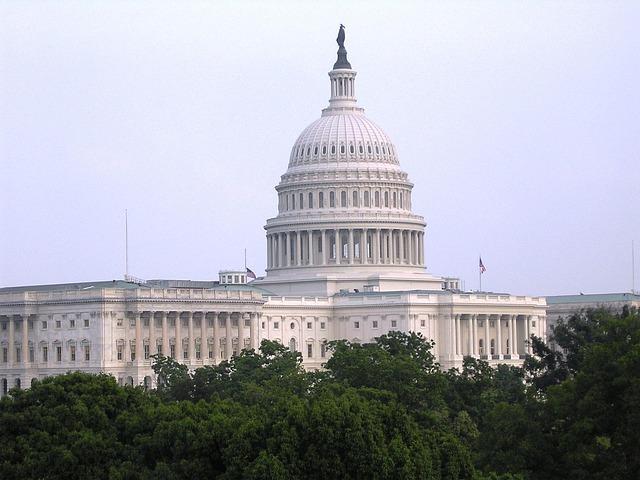
Washington’s power map is being redrawn in real time. A new mix of digital operatives, well‑funded advocacy networks and hyper‑online media personalities is displacing the city’s old guard, turning what many insiders have dubbed “The D.C. Takeover” into a defining story of modern American politics. From K Street to Capitol Hill, the traditional levers of influence are giving way to faster, more fluid centers of authority that rely less on party hierarchies and more on data, money and attention.
Based on conversations with congressional staff, veteran strategists, lobbyists and longtime observers of the capital, this reimagined landscape reveals a new governing class in Washington: technologically sophisticated, heavily bankrolled by outside donors, and increasingly detached from the party machinery that once structured debate and decision‑making.
The D.C. Takeover: How Washington’s Power Structure Quietly Flipped
The reordering of influence in Washington has scrambled the city’s unwritten rules. Institutions that long defined the pace and parameters of policymaking are now competing with agile outsiders who can mobilize pressure in hours, not weeks.
Lobbyists who used to work the phones behind the scenes now operate almost like public brands, shaping legislative language in real time through rapid feedback loops with campaigns, agencies and aligned media outlets. Senior lawmakers, once secure in the value of seniority and committee gavels, now find their clout eroded by social‑media movements, policy influencers and analytic firms capable of reshaping a narrative before a vote is even scheduled.
In this new environment:
- Loose coalitions of activists, donors and digital organizers often outmuscle formal party committees.
- Data and analytics teams increasingly set priorities by modeling voter reactions and message resonance.
- Media proxies and influencers become stand‑in negotiators, testing trial balloons in public before any back‑room deal is struck.
The most visible shift is the recalibration among elected officials, the permanent bureaucracy and a swelling class of outside power brokers. Committee chairs describe a near‑constant barrage of orchestrated email storms, social‑media campaigns and targeted polling meant to force hearings or stall them. Agency leaders, in turn, must navigate a thicket of think tanks, law firms and consulting shops that publish “authoritative” interpretations of new rules within days of their release-sometimes before civil servants have finished internal guidance.
Behind closed doors, power is now tallied in viral reach, donor networks and list sizes as much as in roll‑call votes or years of service.
| Player | Traditional Position | Current Source of Leverage |
|---|---|---|
| Senior Lawmakers | Masters of procedure and committee rules | Brokers with online factions and donor blocs |
| Consultants | Occasional outside advisers | Designers of policy rollout and narrative framing |
| Activist Networks | Niche issue advocates | Real‑time agenda setters and turnout engines |
| Career Staff | Technical and legal specialists | Translators of fast‑changing political demands into rules |
Strategic Misfires and Calculated Risks That Opened the Door
The D.C. Takeover did not arrive with a single election night or dramatic vote. It emerged through a series of overlooked choices and misjudgments by Washington’s old power centers, many of whom assumed that long‑standing norms would naturally check any sweeping transformation.
Party leaders and institutional veterans often believed that established guardrails-ethics committees, bipartisan traditions, professional civil service culture-would blunt radical change. Instead, a steady series of tactical moves gradually hollowed out those safeguards. Appointing fiercely loyal operatives to obscure regulatory posts, blurring once‑rigid conflict‑of‑interest boundaries, and marginalizing experienced civil servants turned the bureaucracy itself into a tool for political experimentation.
Inside strategy rooms, these choices were sold as modernization or disruption, not dismantling. The operating theory was straightforward: sacrifice some bureaucratic caution in exchange for rapid policy wins that could be showcased to voters. Institutional memory, once prized as the ballast of governance, was recast as an impediment to speed.
At the same time, political professionals stitched together alliances that combined ideological true believers with pragmatists willing to cut deals if they could secure structural advantages. Their calculus: accept controversy now to lock in durable power later.
That approach is reflected in:
- Hand‑picked appointments to oversight, ethics and rulemaking offices that quietly rewrote enforcement priorities.
- Procedural overhauls that narrowed opportunities for public input and made complex changes harder to track.
- Coordinated messaging operations that normalized once‑fringe tactics by reframing them as savvy governance.
- Shadow partnerships with outside groups capable of running pressure campaigns that lawmakers could publicly distance themselves from.
| Strategic Move | Public Justification | Behind‑the‑Scenes Effect |
|---|---|---|
| Agency leadership reshuffles | “Streamlining and efficiency” | Weakened internal checks and diluted dissent |
| Rule and procedural changes | “Updating outdated processes” | Reduced transparency and fewer opportunities for oversight |
| Expanded use of outside advisors | “Bringing in specialized expertise” | Greater influence by actors outside formal accountability structures |
How Federal Governance, Policy Priorities and Oversight Are Being Rewired
The reconfiguration of power inside the Beltway is not just a story about personalities; it is changing what the federal government does, how fast it moves and which issues reach the top of the docket.
Legislative calendars and committee agendas now increasingly mirror the interests of the most energized coalitions-those that can dominate a news cycle or flood an office with targeted messages. Long‑term, unglamorous work on administrative capacity, cybersecurity resilience or contracting oversight is often eclipsed by topics that promise immediate political payoff or viral attention.
Agencies that once advanced gradual regulatory changes are under mounting pressure to act quickly through executive orders, emergency waivers and expedited rulemaking. That tempo has only intensified as digital organizing has shortened the feedback loop between a policy proposal and a public reaction. A single viral clip can prompt a letter from lawmakers, a hastily scheduled hearing or a sudden shift in enforcement priorities.
Congressional committees are recalibrating what qualifies as “urgent,” elevating culture‑war flashpoints or branding‑friendly topics while pushing routine but vital oversight-such as data‑privacy enforcement or implementation audits-to the margins.
Key patterns include:
- Budget signals tilting toward high‑visibility programs that can be marketed in ads and online campaigns.
- Rulemaking timelines squeezed by political calendars, leaving less room for technical review and public comment.
- Investigations and hearings increasingly choreographed as messaging stages rather than quiet fact‑finding exercises.
- Interagency councils and task forces leveraged as mechanisms for party discipline and policy alignment.
| Policy Area | Previous Focus | New Emphasis |
|---|---|---|
| Federal Spending | Medium‑ and long‑term fiscal balance | Short‑term political gains and headline‑ready projects |
| Ethics and Compliance | Systematic adherence to rules and norms | High‑profile probes that generate media attention |
| Oversight | Bipartisan audits and performance reviews | Partisan investigations geared toward narrative building |
These trends are reshaping how Washington polices itself. Inspectors general have reported more friction over the timing, scope and public framing of sensitive inquiries. Nonprofit watchdogs and investigative journalists increasingly document discrepancies between official public statements and what internal records show.
Informal power brokers-chiefs of staff, communications strategists, outside advocacy networks-now play a decisive role in determining which subpoenas move forward, which hearings are aggressively staffed, and which investigations fade away. Oversight architecture is being driven by visibility metrics rather than durability, leaving unresolved questions about who ultimately enforces boundaries on federal authority and what occurs when those boundaries are tested in a hyper‑partisan environment.
Restoring Accountability: Concrete Demands for Lawmakers, Watchdogs and Voters
As federal authority concentrates and the D.C. Takeover accelerates, policy experts across the ideological spectrum argue that rhetoric alone will not rebalance power. The solution, they contend, lies in enforceable rules that limit discretion, disclose interventions and guarantee independent review.
Analysts urge Congress and the administration to tie significant expansions of executive power to:
- Clear statutory triggers that define when extraordinary powers may be used.
- Mandatory public reporting on how those powers are exercised, with standardized data that allows comparisons across agencies and time.
- Independent audits and review mechanisms that cannot be easily sidelined by political appointees.
Reform proposals circulating on Capitol Hill and among good‑governance organizations emphasize several pillars: mandatory transparency, near real‑time disclosure of federal interventions, and automatic sunset clauses for emergency or extraordinary authorities. The aim is to ensure that any “temporary” expansion of power does not quietly become permanent.
Watchdog groups also stress that Washington must systematically track who benefits and who is disadvantaged when federal decisions overrule state or local preferences. Without that visibility, they warn, distrust grows, conspiracy theories flourish and partisan polarization deepens.
In practical terms:
- Lawmakers should embed disclosure requirements, time limits and independent review into any legislation that centralizes power in the capital.
- Oversight and watchdog entities need direct, timely access to contracts, waivers, guidance documents and enforcement memos that are often shielded behind agency walls.
- Voters can demand explicit commitments from candidates to restrain unilateral executive action and to restore Congress’s role in reviewing major federal interventions.
| Accountability Demand | Responsible Actor | Intended Outcome |
|---|---|---|
| Public, searchable dashboards on federal takeovers and preemptions | Congress & Executive Agencies | Ongoing, accessible accountability for federal interventions |
| Independent, routine audits of major D.C. interventions | Inspectors General and auditing bodies | Verified oversight and early detection of abuse |
| Transparent, easy‑to‑read voting records on preemption and emergency powers | Members of Congress | Better‑informed voters and clearer lines of responsibility |
Whether these reforms matter will depend heavily on how citizens and advocacy groups use the information once it is available. Open‑records laws, government data portals and civic‑tech tools already make it easier to see when Washington overrides state or local decisions. Yet turnout, public attention and sustained organizing still determine whether that information changes behavior.
Some organizations are experimenting with new pressure tactics, including:
- Oversight scorecards that rank lawmakers based on their votes, hearing participation and support for transparency reforms.
- Cross‑regional coalitions that link urban and rural communities frustrated by distant decision‑makers and one‑size‑fits‑all mandates.
- Localized storytelling campaigns that show, in concrete terms, how federal preemption affects small businesses, schools and local governments.
In an era when power in Washington is increasingly centralized and digitized, the next chapter of reform may hinge less on slogans and more on whether these specific, measurable demands can make it through committee markups, withstand barrage from interest groups and survive election‑year political calculations.
To Wrap It Up
The D.C. Takeover has turned the nation’s capital into a live experiment in how power is accumulated, contested and constrained. Washington’s evolving balance between influence, accountability and public trust will help determine not only which policies become law, but also how legitimate those policies appear to the people living under them.
What unfolds next in the capital will serve as an early indicator of how far-and how quickly-the country is willing to move toward more centralized, attention‑driven governance. For now, the current moment stands as both warning and template: a blueprint for how concentrated power can be built, and a reminder that, in the end, it will be judged by the very public it claims to serve.


