



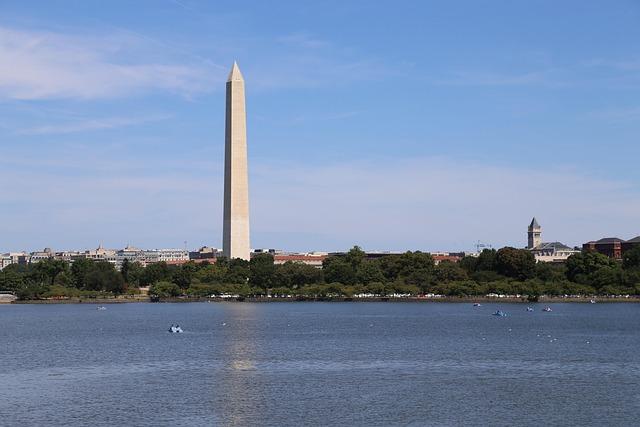
Washington, DC is gearing up for a landmark year: the 250th anniversary of the United States in 2026. As the semiquincentennial approaches, the nation’s capital is orchestrating a sweeping calendar of ceremonies, exhibitions, festivals, and educational programs designed not only to honor the founding of the country, but also to examine its complex legacy and future direction.
From the National Mall’s iconic monuments to the side streets of DC’s neighborhoods, the city is expected to serve as the epicenter of America’s 250th birthday. Early planning already involves multilayered security strategies, upgraded transportation services, and robust tourism outreach, all intended to help Washington function as both the symbolic heart of the celebration and a logistical model for semiquincentennial events nationwide.
This guide explores what visitors can anticipate in Washington, DC in 2026: the major commemorations, the venues likely to draw the largest crowds, and the evolving plans that will shape one of the most closely watched anniversaries in American history.
Planning your 2026 visit How Washington is preparing for America’s 250th anniversary
City planners, federal agencies, cultural organizations, and community groups are assembling what many expect will be DC’s most ambitious coordinated celebration since the 1976 Bicentennial. Preliminary outlines from tourism and planning officials indicate wider security perimeters around the National Mall, extended evening hours at flagship museums, and a months-long slate of commemorative activities beginning in spring 2026 and running well into the fall.
Travelers can look for new interpretive experiences across the Smithsonian network, special-run performances at the Kennedy Center, and a level of cooperation between federal landmarks and neighborhood venues that goes beyond past anniversaries. A major point of emphasis is accessibility: agencies are signaling expanded Metrorail service, more multilingual signage, and enhanced digital tools that help visitors navigate a dense schedule of citywide events.
Much of DC’s approach is informed by lessons from recent high-attendance gatherings such as presidential inaugurations, large-scale marches, and national commemorations. Officials are trying to strike a careful balance between security and visitor comfort. Hotels are already coordinating group blocks for student trips, veterans’ organizations, and international delegations, while local leaders push to ensure that programming reaches all eight wards rather than remaining concentrated around the Mall and downtown core.
Key focus areas emerging from these preparations include:
- Transportation readiness – intensified Metro schedules, dedicated shuttle services connecting outlying neighborhoods to major sites, and temporary bike corridors or expanded protected lanes.
- Security and safety – integrated local-federal operations centers, clearly mapped screening zones, and designated pedestrian-only corridors near high-demand venues.
- Cultural programming – neighborhood festivals, pop-up galleries, and curated public art installations that lift up a wide range of historical perspectives.
- Visitor services – more information kiosks, mobile help desks at transit hubs, and real-time alerts delivered through official city apps and tourism platforms.
| What’s Being Planned | Why It Matters for 2026 Visitors |
|---|---|
| Extended museum hours | Extra time to experience top exhibits and special shows while easing mid-day crowds. |
| Neighborhood heritage trails | Chances to venture beyond the National Mall and support local restaurants, shops and cultural sites. |
| Centralized event portal | One official online hub to check schedules, book tickets and track last-minute changes. |
| Coordinated hotel & transit packages | Streamlined planning for families, school groups and first-time visitors to Washington, DC. |
Key commemorative events in the capital From the National Mall to neighborhood celebrations
The National Mall will likely be the most recognizable stage for America’s 250th anniversary, with federal agencies, cultural institutions and civic coalitions designing a centerpiece program of national observances. Plans under discussion include synchronized flag-raising ceremonies, longer operating hours at core Smithsonian museums, and a special 250th edition of the “Salute to America” broadcast from the Capitol area.
Expect large-scale installations along the Mall that trace the country’s trajectory from 1776 to 2026, blending historic artifacts, multimedia storytelling, and contemporary art. Temporary seating, viewing stands, and broadcast platforms are slated to accommodate military flyovers, historical reenactments, and a major evening concert that will feature nationally known performers and likely attract international media coverage.
At the same time, the semiquincentennial is set to radiate outward into DC neighborhoods with programs crafted on a more intimate scale. Business improvement districts, Main Street groups, community organizations and local venues are planning street festivals, gallery nights and outdoor film series that foreground neighborhood stories, local leaders and present-day civic life.
Visitors should watch for:
- Ward-based heritage festivals spotlighting regional music traditions, neighborhood cuisines, and intergenerational oral histories.
- Pop-up exhibits in branches of the DC Public Library system and recreation centers, featuring photographs, archival documents and community collections.
- Walking tours guided by historians, long-time residents, and student docents that connect national events to local landmarks.
- Public art unveilings that reinterpret founding-era themes-independence, representation, rights-for a 21st-century audience.
| Area | Sample Event | Focus |
|---|---|---|
| National Mall | Evening Unity Concert | National storytelling, televised coverage and large-scale performances |
| Capitol Hill | Historic Street Fair | Civic institutions, local small businesses and family activities |
| Shaw & U Street | Legacy Music Series | Cultural heritage, Black history and DC’s musical traditions |
| Anacostia | Riverfront Storytelling Night | Community memory, environmental justice and local resilience |
Inside the institutions What museums memorials and archives will showcase for the Semiquincentennial
Washington’s museums, memorials and archives are preparing for the semiquincentennial with a blend of once-in-a-generation displays and innovative digital experiences. Institutions such as the National Archives and the Smithsonian are preparing to exhibit rare documents and artifacts that are usually kept in controlled storage, including original founding-era manuscripts, personal correspondence, and newly restored portraits.
Unlike many of the exhibits mounted for the 1976 Bicentennial, the 2026 programs are expected to widen the lens of national history. Curators are placing greater emphasis on the experiences of Indigenous nations, enslaved people, immigrants, women, LGBTQ+ communities and others whose contributions and struggles were marginalized in earlier commemorations. Interactive displays, augmented reality timelines, and immersive soundscapes will help visitors trace how ideas about liberty, citizenship, protest and inclusion have changed across 250 years.
Major Washington, DC institutions are also aligning themes, opening dates and special programs to form an informal “250th trail” across the city. This will encourage multi-day visits that connect the Mall to Capitol Hill, neighborhood museums and local historical societies. Expect:
- National Archives – Rotating exhibitions of foundational documents, draft texts and associated commentary.
- Smithsonian National Museum of American History – Immersive galleries exploring revolution, innovation, civic change and the everyday lives of Americans across centuries.
- Smithsonian National Museum of African American History and Culture – Special exhibitions on freedom struggles, from the Revolutionary era to present-day movements for civil rights and equity.
- Library of Congress – Displays of rare maps, sheet music, photographs and first editions illustrating how independence shaped culture and creativity.
- U.S. Capitol Visitor Center – Installations tracing the evolution of Congress, voting rights and representation, including contested moments in legislative history.
| Institution | Highlight for 2026 |
|---|---|
| National Archives | Limited-time display of annotated drafts of the Declaration of Independence |
| American History Museum | New exhibition connecting protests of 1776 to modern movements for rights and reform |
| Library of Congress | “Voices of 250 Years” listening stations featuring speeches, songs and oral histories |
| Local Historical Societies | Pop-up neighborhood exhibits documenting DC’s revolutionary ties and evolving role in national politics |
Practical guide for travelers Where to stay how to get around and essential bookings for 2026 in Washington DC
Demand for lodging is expected to spike across the Washington region throughout 2026, with particular pressure around major commemorative dates. National hotel chains, boutique properties and extended-stay options are already planning special semiquincentennial packages. Visitors who want easy access to the National Mall and core federal sites should prioritize reservations in neighborhoods with direct Metrorail access, such as Downtown, Penn Quarter/Chinatown, Capitol Hill, and Arlington (Virginia) for quick cross-river travel.
Short-term rentals will remain a flexible option for families and groups, especially in areas like Shaw, Navy Yard, and H Street NE, where nightlife, restaurants and bars will likely stay busy deep into the commemorative season. Many properties are expected to institute minimum-night stays around July 4, 2026, and some may bundle added benefits such as timed-entry museum reservations, priority access to rooftop viewing areas for fireworks, or curated neighborhood tours.
- Book early – reserve hotels or rentals 9-12 months in advance, especially for late June and early July.
- Stay near transit – choose accommodations within a short walk of a Metro station to avoid road closures and congestion.
- Monitor cancellation terms – opt for flexible or refundable rates as schedules and security plans are still evolving.
- Verify accessibility – confirm accessible rooms, elevators, ramps, and step-free access when booking.
| Area | Transit Advantage | Best For |
|---|---|---|
| Downtown/Penn Quarter | Served by multiple Metro lines; easy walk to the National Mall | Museum-focused trips, parades, and official federal ceremonies |
| Capitol Hill | Close to Capitol South & Union Station | Capitol events, families, and first-time visitors |
| Navy Yard | Green Line access plus Anacostia waterfront | Dining, riverfront activities and fireworks viewing along the water |
| Arlington (VA) | Short Metro ride into central DC | Budget-minded travelers and those seeking quieter evenings |
Navigating Washington during the 2026 semiquincentennial will resemble moving through a city hosting a large political convention or global summit. The Metrorail system is expected to carry the bulk of visitor traffic, supplemented by Metrobus, the Circulator, and expanded bike and scooter-share networks. Officials may deploy crowd-management measures such as timed station entry, selective station closures, and modified hours around major ceremonies and concerts.
Drivers should anticipate substantial road closures or restrictions near the National Mall, the U.S. Capitol, and along Pennsylvania Avenue during peak events, which will make car travel and ride-hailing services slower and more expensive in the downtown core. Timed-entry reservations are likely for top attractions including the National Archives, flagship Smithsonian museums, and some memorials, particularly around key anniversary dates and holiday weekends.
- Obtain essential passes early – request or purchase timed-entry tickets for high-demand museums, U.S. Capitol and White House tours, and any official ceremonies as soon as they become available.
- Use apps – rely on Metro’s official app and other navigation tools for live updates, reroutes and closure information.
- Plan walking routes – allow buffer time between sites and be prepared for temporary fencing, security checkpoints and one-way pedestrian flows.
- Consider regional rail – Amtrak, VRE and MARC services will be important for day trips and for visitors staying in nearby cities such as Baltimore, Alexandria or Richmond.
Future Outlook
As the United States approaches its 250th anniversary, Washington, DC is positioning itself as both a grand ceremonial backdrop and a dynamic classroom for understanding American democracy. From major spectacles on the National Mall to neighborhood-level initiatives in every ward, the city is planning for visitors who want a layered experience that goes well beyond a single evening of fireworks.
Because security needs, construction timelines and programming continue to evolve, officials emphasize that details will keep shifting through 2025 and into 2026. Prospective visitors are encouraged to plan early, follow official announcements closely, and consider visiting during shoulder seasons-such as late spring or early fall-to enjoy a fuller slate of events with somewhat thinner crowds.
What is already evident is that the semiquincentennial will be spread over months, institutions and neighborhoods rather than confined to one day or one monument. Museums are enlarging their narratives, cultural organizations are forging new partnerships, and community groups are working to highlight stories that were often sidelined in previous national observances.
For travelers deciding where to mark America’s 250th anniversary, Washington offers an unusually concentrated view of the nation’s past and present within a compact, largely walkable landscape-and much of it remains free or low-cost to access. Those who make the journey in 2026 will encounter a capital city that is not only reflecting on its history, but also actively debating what the next era of American democracy should look like.