
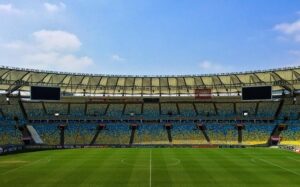


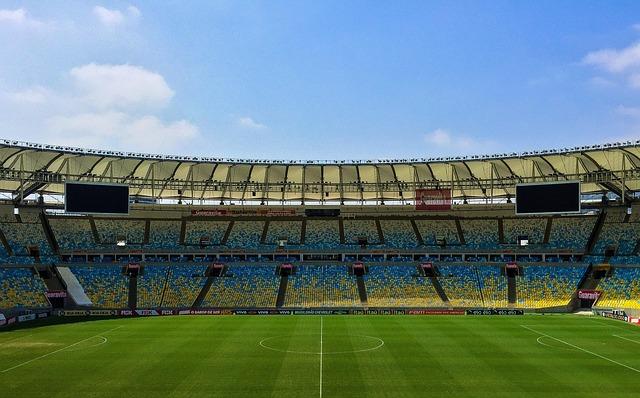
The Washington Commanders have released striking new concept images for a proposed $3.7 billion stadium and surrounding development, outlining a transformative vision for the NFL franchise’s next chapter. The expansive plan positions the future home of the Commanders as both a cutting-edge football venue and the centerpiece of a broader entertainment and mixed-use district, reshaping how fans, residents and visitors experience game day – and every day in between.
Unveiled amid intense debate over site selection, public funding and the team’s long-term home, the renderings offer the most detailed picture yet of how the Commanders aim to redefine their identity and presence in the Washington region.
A Reimagined Home Field: Design Vision for the New Washington Commanders Stadium
At the core of the proposal is a next-generation, multi-purpose stadium conceived as a year-round civic anchor rather than a facility used just a handful of Sundays each fall. The design blends the drama of an NFL stage with the accessibility of a public gathering place, emphasizing flexibility, fan immersion and neighborhood integration.
Architecture and Fan Experience
Early visuals reveal a dramatic, translucent roof structure curving over the seating bowl, engineered to welcome daylight while providing all-weather protection. Rather than a sealed dome, the shell is envisioned as a light-filtering canopy that maintains an open, outdoor feel while supporting climate control and acoustics for major events.
Wrapping the structure is a continuous 360-degree pedestrian promenade that acts as an elevated “front porch” for the stadium, connecting seamlessly to street-level plazas, restaurants, and public art. The goal is to create a campus that feels open and accessible whether a game is being played or not.
Inside, the bowl is designed for intimacy and energy:
- Tiered seating decks bring fans closer to the action
- Expanded club lounges and premium suites are integrated more organically into the seating layout
- Flexible hospitality zones can shift from NFL Sundays to concerts, conventions and international matches
A high-end sound and lighting system is intended to support everything from Super Bowls to global music tours and NCAA football showcases.
Key Design Elements at a Glance
- Retractable façade elements that can open or close portions of the exterior to adapt to weather, crowd size and event type
- Mixed-use perimeter with year-round dining, retail and immersive team-focused experiences, including potential museums, hall-of-fame exhibits and interactive fan zones
- Enhanced fan circulation through widened concourses, intuitive sightlines and digital wayfinding screens to reduce congestion
- Community-access areas such as public lawns, youth sports fields, markets and festival spaces available even when the Commanders are not playing
| Key Feature | Design Focus |
|---|---|
| Roof Structure | Translucent, light-filtering shell for year-round, all-weather events |
| Fan Zones | Large pregame plazas, stages for live entertainment and interactive activations |
| Technology | 5G-ready infrastructure, mobile-first services and app-based conveniences |
| Sustainability | Solar integration, efficient systems and stormwater collection and reuse |
Smart Stadium Technology and Sustainability at the Forefront
The Commanders’ proposal places heavy emphasis on sustainability and digital innovation, aiming to match – and potentially surpass – the newest NFL and global sports venues.
Sustainability Features
Concept plans highlight:
- On-site solar arrays to offset a portion of the stadium’s energy use
- High-efficiency glazing and building materials to reduce heating and cooling loads
- Rainwater capture systems designed to collect and reuse stormwater for irrigating surrounding parkland and landscaping
With sports venues facing increasing scrutiny over their environmental footprint, these elements are positioned to align with broader climate and resilience goals that many U.S. cities have adopted for 2030 and beyond.
Tech-Driven Fan Experience
Inside the stadium, the digital layer is envisioned as central to the experience:
- A dual-sided halo video board and field-level LED ribbons to deliver stats, replays and immersive graphics
- Stadium-wide 5G coverage enabling real-time data, multi-angle replays and AR-enhanced content via fans’ smartphones
- Frictionless commerce, with mobile ticketing, in-seat ordering, dynamic pricing displays and potential biometric entry lanes to reduce wait times
Together, these upgrades are designed to position the facility as a must-visit destination, capable of luring major events such as the Super Bowl, College Football Playoff games, international soccer friendlies and top-tier concert tours.
Economic Ripple Effects and the $3.7 Billion Question
The sheer scale of the Commanders’ proposed $3.7 billion project raises immediate questions about financing, economic benefits and long-term risk for taxpayers.
Promised Economic Upside
Supporters of the stadium complex argue that it could generate:
- Thousands of construction jobs during the building phase
- A sustained boost in hospitality, tourism and retail activity once operational
- Increases in hotel occupancy, sales tax revenue and foot traffic for small businesses, especially on game days and during large events
Some projections suggest the complex could attract millions of visitors annually, with ripple effects for nearby hotels, restaurants and entertainment venues across the region.
Skepticism and Mixed Track Record
Independent economists, however, frequently caution that NFL stadiums have delivered uneven results across North America. While local spending often spikes near the venue, overall regional growth can be more modest once public subsidies, tax abatements and infrastructure costs are fully accounted for.
With that context in mind, policymakers, watchdog groups and residents are pressing for transparent details on the underlying financial model.
Who Pays? Funding Structure and Public Accountability
As talks move from renderings to real negotiations, one of the central debates revolves around the balance between public and private investment.
Key financial questions include:
- Public vs. private investment: How much of the $3.7 billion will be covered by team ownership and private partners versus taxpayers?
- Bond issuances and long-term debt: What kinds of bonds might be used, and how will they be repaid over time?
- Tax incentives: Will subsidies or abatements redirect revenue away from schools, public safety and social services?
- Required infrastructure spending: How much additional funding is needed for roads, utilities and transit specifically tied to the stadium district?
- Community benefits: What concrete commitments will be made regarding local hiring, small-business support and potential affordable housing components?
| Item | Projected Impact |
|---|---|
| Construction Jobs | 8,000+ short-term roles across multiple trades and support services |
| Annual Visitors | Estimated 2-3 million fans and tourists for NFL and non-NFL events |
| Public Incentives | Under negotiation; structure and total value not yet disclosed |
| Local Tax Base | Potential long-term growth, partially offset by subsidies and abatements |
For many residents, the central concern is not whether the stadium generates activity, but whether that activity justifies any public investment and who ultimately shoulders the financial risk if projections fall short.
Transportation, Infrastructure and Neighborhood Impact
Moving tens of thousands of people in and out of a new stadium several times a month is a challenge in any city, and the Commanders’ proposal is no exception.
Mobility and Access Plans
Preliminary materials reference:
- New or expanded parking structures to consolidate game-day parking
- Upgrades to rail and bus connections to encourage transit ridership over driving
- Reconfigured highway access points and on-ramps to reduce choke points near the venue
However, the details of how these ideas translate into actual infrastructure projects – and who pays for them – remain a major point of discussion.
Residents along likely travel corridors are already voicing concerns about:
- Heavier game-day traffic and travel delays
- Noise pollution, particularly during late-night events
- Pressure on local services and public safety resources
- Potential spillover parking clogging residential streets
Community Priorities and Mitigation Demands
Neighborhood groups and local advocates are calling for binding, enforceable strategies that go beyond aspirational concepts, including:
- Traffic management: Clear routing plans, real-time digital signage and coordination with navigation apps to steer vehicles away from residential areas.
- Public transit upgrades: Increased frequency of trains and buses, designated event services, and safer walking and cycling routes connecting nearby neighborhoods to the stadium district.
- Environmental protections: Noise barriers where needed, ongoing air-quality monitoring and strict limitations on late-night operations.
- Economic safeguards: Programs to support small businesses, guard against displacement and address rising property values around the site.
| Key Concern | Proposed Response |
|---|---|
| Game-day gridlock | Staggered arrival windows, park-and-ride hubs and coordinated traffic control |
| Neighborhood spillover parking | Resident-only parking zones, digital permits and active enforcement |
| Transit crowding | Dedicated event trains/buses and extended operating hours |
| Quality of life impacts | Community benefit agreements, clear noise curfews and event caps |
Building Trust: Community Engagement Before Any Final Approval
Given the project’s cost and potential to reshape entire neighborhoods, local stakeholders are demanding robust, accessible and ongoing opportunities to weigh in before any final site or funding decisions are made.
Meaningful Public Input, Not Just Renderings
Residents, fan organizations, small business owners and regional commuters are likely to expect:
- Public hearings scheduled at varied times and locations, with live-streaming, recordings and transcripts accessible online
- Plain-language summaries of environmental reports, fiscal impact analyses and traffic studies to ensure non-experts can understand the trade-offs
- Opportunities for direct Q&A with team representatives, planners and elected officials
To demonstrate long-term accountability, the Commanders and government partners could establish a standing advisory council including neighborhood leaders, transportation experts, housing advocates and fan groups. Meeting minutes and recommendations would be published on a set schedule, ideally within 48 hours of each session.
Oversight, Audits and Community Guarantees
Transparency will ultimately be judged by how clearly the project’s promises are defined, tracked and enforced over time. Key tools could include:
- Detailed, public funding breakdowns, specifying contributions from taxpayers, the franchise and private investors
- Independent audits released annually, reviewing both finances and progress on promised benefits
- Easily readable dashboards tracking metrics such as local hiring, wage levels, infrastructure completion, transit upgrades and environmental performance
- A formal community benefits agreement with measurable targets, timelines and penalties for non-compliance
Priority areas often highlighted by residents and advocacy groups include:
- Clear funding breakdown between public and private sources
- Guaranteed local hiring targets for both construction jobs and permanent stadium roles
- Public access provisions for youth sports, high school championships, community events and non-NFL uses of the facility
- Regular third-party reviews assessing costs, schedules and neighborhood-level impacts
| Focus Area | Public Expectation |
|---|---|
| Funding | Full transparency on who pays, how much and over what timeframe |
| Traffic & Transit | Concrete, enforceable plans to manage congestion and crowding |
| Jobs | Preference for local workers, with progress tracked and published |
| Neighborhood Impact | Real protections against displacement and rising housing costs |
Final Thoughts: A Pivotal Moment for the Commanders and the Region
As the Washington Commanders’ £3 billion‑plus stadium vision transitions from concept art to hard negotiations, the project is entering a decisive stage that will test political resolve, public sentiment toward major sports investments and the franchise’s capacity to deliver on an ambitious promise.
If realized, the new stadium complex would represent far more than a new address – it would help define the Commanders’ identity for decades while reshaping a significant swath of the metropolitan landscape. Over the coming months, key decisions on location, funding mechanisms, infrastructure and community protections will determine whether the proposal becomes a landmark addition to the NFL or remains an eye-catching idea that never moves beyond the drawing board.
For now, the team’s future home lives primarily in renderings and digital models, offering fans, residents and policymakers a vivid preview of what the next era of Washington football – and regional development – could look like.