



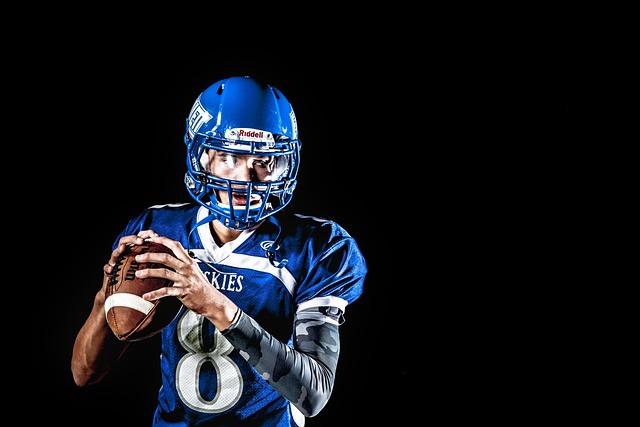
EA Sports’ long-awaited return to the college gridiron is already sparking arguments—well before the opening kickoff of the 2026 season. In a new Sports Illustrated feature, the “College Football 26” simulation from EA Sports is being used to project the outcome of a high-profile Big Ten showdown between Illinois and Washington. By tapping into updated rosters, refined team ratings, and expansive virtual playbooks, the model delivers a granular preview of the matchup that blurs the line between video game and viable prediction. As sports analytics continue to influence real-world strategy, the question becomes: just how closely can a game like College Football 26 mirror what actually happens on Saturdays?
Illinois vs. Washington in College Football 26: Digital chess match, not track meet
Early looks at the EA Sports simulation suggest a tactical battle where coaching decisions and situational execution matter more than pure speed or raw talent. Instead of a shootout, the Illinois–Washington game is rendered as a contest of patience, sequencing, and calculated risk.
In the virtual matchup, Illinois leans heavily into a grind-it-out identity. The Illini shorten the game with clock-eating drives, leaning on inside zone variations, counter runs, and deliberate play-action concepts designed to keep the chains moving. Compressed formations and tight splits enable double teams at the point of attack, while selective rollouts help neutralize Washington’s pressure looks.
Washington, by contrast, adopts a far more dynamic pre-snap approach. The Huskies use heavy motion, spread formations, and layered route combinations to stretch Illinois horizontally and vertically. Their passing script focuses on creating defensive hesitation—forcing linebackers and safeties to declare coverage or blitz intentions just a beat too early, then punishing those choices with quick throws or vertical shots.
EA Sports’ engine repeatedly showcases each coaching staff probing for leverage and personnel mismatches. Safeties are manipulated with motion and alignment, linebackers are forced into stressful coverage assignments, and both teams frequently disguise intentions until late in the play clock. The rhythm is a back-and-forth of long, deliberate drives, suddenly punctuated by explosive plays whenever a coverage rule breaks down.
- Illinois: Clock control, tight formations, downhill run game with play-action complements
- Washington: Tempo variations, spread concepts, and a vertically oriented passing attack
- Key Factor: Third-down disguise packages and red-zone execution for both defenses
| Category | Illinois | Washington |
|---|---|---|
| Simulated Time of Possession | 32:10 | 27:50 |
| Blitz Rate | 24% | 31% |
| Third-Down Conversion | 43% | 46% |
On defense, neither side is portrayed as a suffocating, shutdown unit. Instead, the simulation emphasizes adaptability and constant adjustment. Illinois frequently shows simulated pressure—walked-up linebackers, sugared A-gaps, and late-rotating safeties—to lure Washington’s quarterback into forcing throws into contested windows. Post-snap, those pressures sometimes bail into softer zones, turning what looks like an all-out blitz into a trap coverage.
Washington responds with hybrid nickel packages and shape-shifting coverages that evolve after the snap. The Huskies’ defense morphs between two-high and single-high shells, aiming to disrupt Illinois’ preferred crossing and dig routes. The sim’s analytic breakdown frames the game less around a single breakout star and more around incremental, granular changes: altered run fits, subtle coverage leverage tweaks, and situation-specific substitutions. Every third-and-medium and every red-zone snap becomes a miniature strategy puzzle whose outcome tilts the final score.
College Football 26 numbers: What the model says about Illinois vs. Washington
The College Football 26 analytics engine paints this as a clash defined primarily by efficiency. Rather than an all-out offensive firework show, the virtual meeting centers on who maximizes possessions and wins the hidden battles within each drive.
Washington is projected to lean on a high-volume passing game, averaging an impressive 7.8 yards per attempt while keeping turnover-worthy throws low. The Huskies’ virtual offense uses spacing and timing to create clean windows, emphasizing intermediate routes and calculated deep shots instead of constant bombs downfield.
Illinois answers with a methodical, ball-control attack. The Illini churn out a simulated 4.6 yards per carry, focusing on staying in favorable down-and-distance situations. Success on first down allows Illinois to keep its playbook balanced and disguise intentions, limiting Washington’s ability to pin its ears back and rush the passer.
Red-zone performance emerges as a key pivot point. According to the simulation, Washington is more likely to turn drives inside the 20 into touchdowns, while Illinois finds itself settling for field goals more often. In a game where possessions are precious, that difference could loom large.
- Explosive plays: Washington is forecast to generate more 20+ yard gains, especially through the air.
- Third-down efficiency: Illinois sits near 44%, with Washington around 49% in simulated scenarios.
- Turnover margin: Slight nod to Illinois, thanks largely to pressure-induced fumbles and hurried throws.
- Time of possession: Advantage Illinois, though not by a margin big enough to guarantee control if the Huskies hit on explosives.
| Metric | Illinois | Washington | Saturday Implication |
|---|---|---|---|
| Avg. Yards/Play | 5.4 | 6.2 | Higher per-play efficiency gives the Huskies an edge if the pace accelerates. |
| Red-Zone TD Rate | 57% | 68% | Illinois may need more drives—or longer ones—to keep pace on the scoreboard. |
| Pressure Rate | 26% | 19% | The Illini front could tilt passing downs, even if Washington gains more yards overall. |
| Explosive Play Rate | 11% | 15% | One defensive lapse could hand Washington a momentum-swinging score. |
This statistical tilt mirrors broader trends in modern college football, where explosive plays and red-zone touchdown rates correlate strongly with winning. In recent seasons across the FBS, teams that dominate explosives and finish drives with six instead of three consistently rank higher in efficiency metrics, and the College Football 26 projection leans into that same analytical logic.
How Illinois can target Washington’s defensive habits in the College Football 26 sim
Digging deeper into the virtual playbook, the College Football 26 engine flags a set of recurring Washington tendencies that Illinois can exploit. The Huskies’ back seven, while athletic, is susceptible to over-pursuing motion and reacting aggressively to eye candy, especially when offenses layer movement and route combinations.
The simulated Illini game plan uses that aggression against Washington. Pre-snap motion, jet sweeps, and shifting alignments are deployed to stretch the defense horizontally, forcing safeties and linebackers to adjust on the fly. Once Washington begins flowing to the perimeter, Illinois looks to attack vertically or into vacated zones, capitalizing on defenders who trigger downhill too quickly.
The virtual offensive logic leans into layered concepts—routes that cross and intersect at different depths—combined with misdirection runs. Late safety rotations, linebackers jumping shallow routes, and corners peeking into the backfield open up timing windows for intermediate throws and delayed handoffs, which the simulation consistently logs as “high-efficiency” calls.
- Frequent motion: Used to scramble Washington’s coverage rules and isolate linebackers in space.
- RPO looks: Designed to freeze aggressive second-level defenders and force them into no-win decisions.
- Bunch and stack formations: Create natural picks and free releases, often resulting in softer cushions from Washington’s corners.
- Play-action shots: Called after perimeter success to punish safeties who bite too hard on run keys.
| Virtual Call | Targeted Weakness | Sim EPA* Trend |
|---|---|---|
| Jet Motion RPO | Linebacker over-pursuit | Consistently positive |
| Mesh Concept | Zone depth confusion | Moderately positive |
| Play-Action Post | Late safety rotation | High-variance, explosive |
*EPA: Expected Points Added, tracked within the game’s internal analytics system.
In the broader analytics world, these ideas track with how real coordinators attack aggressive defenses. RPOs that read second-level defenders, traffic-heavy concepts like mesh, and play-action shots off successful runs are staples of modern offensive game plans—and College Football 26 appears to internalize those same schematic principles.
What Washington must change to neutralize Illinois’ simulated strengths
On the flip side, the College Football 26 sim reveals how Illinois’ physicality and tempo management can disrupt Washington’s preferred rhythm. The Illini’s ability to shorten the game and sustain drives creates fewer possessions for Washington’s offense, putting more pressure on the Huskies to maximize each opportunity.
To counter that, the Huskies need to embrace schematic variety. The virtual plan suggests an increased use of pre-snap motion, condensed sets on early downs, and quick-game concepts that get the ball into the flats before Illinois’ linebackers can fire downhill. These adjustments help Washington avoid predictable second-and-long scenarios and keep the Illini front from dictating terms.
Tempo is another lever. Rather than operating in full-speed no-huddle all game, the simulation has Washington using tempo changes as a weapon. After an explosive play, the Huskies speed up to prevent Illinois from substituting and reorganizing, squeezing additional efficiency out of a defense that’s still catching its breath.
In the run game, the model highlights the value of diversity: counters, split-zone, and misdirection plays that influence Illinois’ edge defenders and create cutback opportunities. By changing blocking angles and backfield action, Washington can make the Illini front less certain of where the ball is going.
Defensively, Washington’s task is to break Illinois’ balance. The Huskies need to muddy the picture on early downs—crowding the box, disguising where safeties insert into run fits, and using simulated pressures that look like all-out blitz but often drop into coverage. The emphasis is on forcing Illinois into obvious passing situations without giving up cheap explosives.
The simulation also points toward opponent-specific tweaks: bracket coverage on Illinois’ primary receiving threat, more physical coverage in the red zone, and situational personnel packages geared toward the Illini’s preferred formations.
- Flexible fronts: Shifts between three- and four-man looks to disrupt Illinois’ blocking rules.
- Rotating nickel packages: Matchups tailored to Illinois’ slot-heavy alignments.
- Edge discipline: Staying home against boots, options, and misdirection to avoid giving up easy contain breaks.
| Key Focus | Washington Adjustment |
|---|---|
| Early Downs | More RPOs and quick passes to neutralize Illinois’ front |
| Tempo | Selective no-huddle immediately after chunk gains |
| Run Defense | Extra safety in the box with disguised gap responsibilities |
| Red Zone | Tighter leverage and bracket coverage on Illinois’ top target |
These virtual adjustments mirror what high-level coaching staffs increasingly do in real games: emphasize situational football, tailor pressures to opponent tendencies, and treat tempo as a strategic tool instead of a permanent identity.
EA Sports, College Football 26, and the shrinking gap between virtual and real Saturdays
Like any projection, the College Football 26 simulation of Illinois vs. Washington is more blueprint than guarantee. Injuries, weather, real-time coaching decisions, and the unpredictability of college athletes can all upend even the smartest model.
Still, EA Sports’ latest installment offers more than just entertainment value. The Illinois–Washington sim provides a structured lens through which to view the matchup: which team thrives in efficiency metrics, where red-zone edges lie, how pressure and explosive plays could swing momentum, and what tactical levers each side might pull.
As sports video games continue to integrate advanced analytics, motion-capture realism, and deep playbook logic, the overlap between what happens on a console and what plays out on an actual field keeps narrowing. The simulation of this Big Ten clash doesn’t settle the debate over who will win, but it does frame the conversation—highlighting the subtle battles in scheme, execution, and adjustment that will decide the real outcome when Illinois and Washington finally meet under the lights.