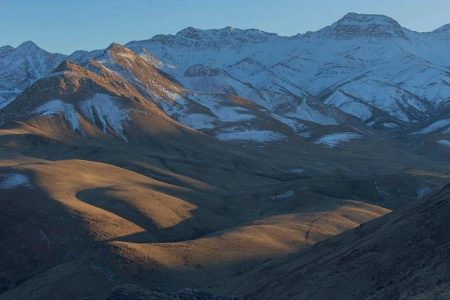



Two snowmobilers were killed and two others rescued after an avalanche tore through a heavily used backcountry zone in Washington state, authorities confirmed. The slide struck Sunday in the Cascade Mountains, engulfing a group of riders in a fast-moving torrent of snow and debris. Rescue teams battled poor visibility and unstable hillsides to reach the remote, high‑elevation site, highlighting the persistent avalanche risk across the region as winter recreation surges. Investigators are now examining snowpack conditions, recent weather, and human factors to understand how the fatal incident occurred.
Deadly Washington avalanche highlights rising backcountry dangers for snowmobilers
According to officials, four snowmobilers were traversing a well-known backcountry area when a large avalanche released above them, racing downslope and burying two riders beneath several feet of compacted snow. The other members of the group immediately began a frantic search, attempting to locate and dig out their companions while simultaneously calling for help.
Specialized search-and-rescue teams responded with avalanche transceivers, probes, shovels, and trained avalanche dogs. Operating in unstable terrain, they were able to extract two survivors and airlift them to safety, while the bodies of the two remaining riders were later recovered. Early assessments from avalanche forecasters indicate that a series of recent storms deposited dense, wind-drifted snow over older, weaker layers—a classic slab-avalanche setup where a cohesive surface layer can fracture and slide when triggered by a snowmobile, skier, or snowboarder.
This tragedy reflects what avalanche professionals describe as a broader shift in how people use winter backcountry terrain. More powerful modern snow machines, improved access, and growing online communities have encouraged riders to push deeper into steep, untracked slopes. Avalanche centers across the Pacific Northwest report increased traffic outside groomed trail systems, and not all riders are arriving with appropriate training, experience, or equipment.
Safety agencies emphasize that simply owning avalanche gear is not enough. Riders must carry it consistently, practice with it regularly, and consult daily avalanche forecasts before committing to consequential terrain. Core items remain essential for any backcountry snowmobiling trip:
- Avalanche transceiver – worn on the body, turned on, and checked with all partners before departure
- Probe – used to quickly determine the exact location and burial depth of a victim
- Shovel – a sturdy, metal, extendable shovel designed for fast, efficient digging in compacted snow
- Avalanche airbag pack – can help keep a rider closer to the surface if deployed during a slide
- Recent avalanche forecast – read in full and discussed with the group before leaving the trailhead
| Risk Factor | Impact on Riders |
|---|---|
| Rapid new snowfall | Builds unstable slabs on steep slopes and increases likelihood of natural or human‑triggered slides |
| Wind loading | Creates deep drifts and cornices near ridgelines, often above popular riding areas |
| Weak snow layers | Form hidden failure planes that can propagate large, destructive avalanches |
| Lack of training | Slows rescue efforts and reduces the chance of locating and digging out victims in time |
Inside the rescue: critical minutes that separated life and death
Responders who entered the avalanche path described a chaotic and rapidly changing environment. Visibility was poor, with blowing snow and lingering clouds from the slide itself. The usual landmarks were buried or distorted; the hillside was transformed into a jagged field of hard-packed chunks, broken machine parts, and scattered gear.
Guided by faint transceiver signals and the shouts of the surviving riders, rescuers moved cautiously across the debris while monitoring overhead slopes for additional movement. Every step required judgment—where to probe first, how to position teams to minimize exposure, and how to deploy limited tools for maximum impact. Some rescuers reported wading through chest-deep snow while constantly scanning for cracks, fresh sluffs, or sounds indicating a potential secondary avalanche.
Search coordinators later emphasized that a tight rescue window determined who lived and who did not. Avalanche survival data indicates that chances of rescue alive drop sharply after the first 15 minutes of burial. In this case, those reached within that timeframe were found under relatively shallow snow with small, life-sustaining air pockets. Riders buried deeper had far less favorable odds, even with rapid response and advanced equipment on scene.
- 0–10 minutes: Companions initiate self-rescue, call 911 where possible, and mark last-seen points on the debris.
- 10–25 minutes: Initial rescue teams arrive, switch transceivers to search mode, and pinpoint two victims with beacon and probe.
- 25–45 minutes: Intensive shoveling, airway management, CPR attempts, and coordination of helicopter evacuation.
| Key Factor | Impact on Outcome |
|---|---|
| Response time | Determined whether buried riders were reached while they still had viable air pockets |
| Beacon use | Cut search zones from large slopes to precise targets, saving crucial minutes |
| Snow depth | Shallower burials were associated with higher survival rates and faster extrication |
Unstable snowpack and ignored forecast warnings before the slide
In the days before the avalanche, regional avalanche centers had consistently highlighted the affected area as especially dangerous. A persistent weak layer—composed of faceted, sugary snow—lay buried beneath multiple rounds of recent snowfall. This structure created a notorious “hidden trap”: slopes that can appear well-covered and inviting but are primed to fail when loaded by a rider, new snow, or wind.
Forecasters had raised the danger rating to considerable to high avalanche danger, focusing on steep, wind-loaded aspects at upper elevations. Bulletins warned that human-triggered slides were likely and that avalanches could step down into deeper layers, resulting in large and potentially unsurvivable events.
These warnings were distributed via forecast websites, social media posts, mobile apps, and physical notices at popular trailheads. Local sheriff’s offices and land managers amplified the messages, urging backcountry users to avoid certain slopes, dial back objectives, or consider staying in lower-angle terrain. Nonetheless, authorities say backcountry use remained strong, and many groups proceeded into high-consequence zones.
Rescuers and avalanche educators note that some riders appeared to lean heavily on personal experience—“we’ve ridden here for years”—instead of adapting to current conditions. Others carried basic avalanche gear but reportedly did not fully recognize key on-the-ground red flags, such as fresh avalanche crowns nearby, “whumpfing” sounds in the snowpack, or rapid warming during the day.
- Risk Level: Considerable to High
- Main Hazard: Deep, persistent weak layer capable of producing large slides
- Key Triggers: Snowmobiles, new storm snow, wind loading on leeward slopes
- Advisory Channels: Avalanche bulletins, social media updates, trailhead postings, and local emergency alerts
| Warning Type | Issued By | Recommended Action |
|---|---|---|
| Daily avalanche forecast | Regional avalanche center | Avoid steep, wind-loaded slopes and terrain above terrain traps |
| Backcountry advisory | Local sheriff’s office | Reconsider travel into high‑risk zones or postpone trips |
| Trailhead notices | Land management agency | Check conditions, carry full rescue gear, and travel with avalanche‑trained partners |
Officials call for gear, training, and strict use of avalanche forecasts
Following the fatal avalanche, emergency managers and avalanche specialists are reiterating that recreating in Washington’s high country now requires the same level of preparation many associate with mountaineering or backcountry skiing. A powerful snowmobile alone is not a safety plan.
Authorities urge snowmobilers to treat avalanche safety equipment as standard, not optional. At a minimum, every rider should carry a beacon, shovel, and probe, along with first‑aid supplies, extra layers, and basic survival gear. These tools should be practiced with regularly in realistic scenarios so that, under stress, partners can perform an organized rescue instead of a panicked search.
Officials also recommend traveling in small, coordinated groups, maintaining visual contact on exposed slopes, and spacing out one at a time through hazardous sections. Before leaving cell coverage, riders should share itineraries and return times with someone at home and establish clear check-in procedures.
- Essential gear: Avalanche beacon, shovel, probe, first‑aid kit, headlamp
- Navigation tools: Paper map, GPS device, downloaded offline maps, charged phone or radio
- Protective items: Helmet, goggles, multiple clothing layers, emergency shelter or bivy sack
- Communication: Pre‑planned routes, alternate exit options, and designated rendezvous points
| Risk Level | Recommended Action |
|---|---|
| Moderate | Favor lower‑angle slopes, avoid gullies and terrain traps where debris can pile deeply |
| Considerable | Minimize time on open slopes, stick to conservative routes, and reassess conditions frequently |
| High / Extreme | Cancel or relocate the trip; stay entirely out of avalanche terrain and runout zones |
Avalanche centers are encouraging riders to build a habit of checking the daily regional avalanche bulletin before even loading their sleds onto trailers. These forecasts, updated throughout the winter, summarize snowpack stability, recent avalanche activity, and the influence of incoming weather systems across the Cascades and other mountain ranges.
Search-and-rescue leaders and instructors emphasize that formal avalanche education is one of the most effective tools for reducing risk. Snowmobile‑specific avalanche courses teach participants how to interpret danger ratings, recognize unstable snow, choose safer routes, and respond efficiently if a slide occurs. Even experienced locals, they say, benefit from refresher training, as subtle shifts in temperature, wind, or snowfall can completely alter conditions in familiar riding areas.
Wrapping Up
Authorities are continuing to analyze the storm history, snowpack structure, and human decisions that led to the deadly avalanche, while teams monitor surrounding slopes for additional instability. The incident is a stark reminder that Washington’s backcountry can remain hazardous for weeks after major storms, especially when weak layers lurk beneath fresh snow.
Officials urge anyone planning backcountry travel—whether by snowmobile, skis, or snowshoes—to read the latest avalanche forecasts, carry proper rescue and survival equipment, travel with trained partners, and avoid high‑risk terrain when danger ratings climb. As the community grieves the loss of two riders, local leaders and rescue crews hope that renewed attention to avalanche safety will help prevent similar tragedies as the winter season continues.