



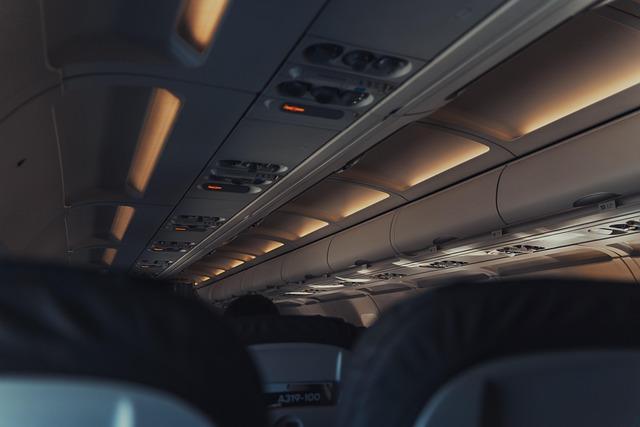
Air India has temporarily halted one of its prominent flights to the United States after Pakistan closed its airspace, a development that vividly illustrates how regional geopolitical tensions can disrupt global aviation networks. The government-owned airline confirmed that the airspace restrictions, introduced amid escalating hostilities between India and Pakistan, have made the affected long-haul route operationally complex and financially unviable in the near term. The move shines a spotlight on the mounting pressure airlines face as they divert around closed corridors, shoulder higher fuel and staffing expenses, and reconfigure route structures across South Asia and beyond.
Air India reshapes US–India network as Pakistan airspace shuts down
India’s flag carrier has been forced to redraw a significant part of its US–India flight plan after losing access to a crucial overflight corridor through Pakistan, long used as a time-saving gateway between South Asia and North America. The closure has disrupted highly optimized great-circle routes, adding substantial time to transatlantic and transpolar operations and eroding the tight economics of the suspended US service, which depended on precise scheduling, strict crew duty limits, and carefully managed fuel consumption.
Aviation experts highlight that this disruption demonstrates how swiftly geopolitical flashpoints can cascade into commercial aviation, affecting:
– Passenger itineraries and connectivity
– Air cargo flows and logistics chains
– Airline revenue, costs, and long-haul profitability
Behind the scenes, Air India’s operations and network planning teams are deploying short-term fixes and exploring structural changes to minimize the fallout. Immediate consequences include:
- Extended flight durations due to rerouting over the Middle East, Central Asia, or alternative corridors
- Increased fuel burn and operating costs, squeezing already tight long-haul profit margins
- Overhauled schedules to preserve connections at major hubs in India and the United States
- Passenger reaccommodation efforts, including rebooking on other Air India flights and partner airlines
| Key Factor | Before Closure | After Closure |
|---|---|---|
| Routing | Shortest path via Pakistan | Longer diversions through alternate regions |
| Block Time | Minimized and predictable | Noticeably extended |
| Operational Cost | Relatively contained | Significantly higher |
| Service Viability | Commercially sustainable | Temporarily suspended |
Rerouted flights, rising costs: the operational and financial squeeze on Air India
With Pakistan’s skies off-limits, Air India’s long-haul aircraft now trace more convoluted journeys over the Arabian Sea, the Gulf region, and Central Asia. Every extra minute in the air compounds costs—more fuel, extended crew duty times, increased catering and navigation charges, and faster wear on wide-body fleets that are already heavily utilized.
Routes that once followed direct great-circle trajectories have become sophisticated puzzles. Planners must balance:
– Payload and cargo limits to keep fuel burn manageable
– Crew duty-time regulations and rest requirements
– Slot availability and curfew rules at congested international hubs
– Aircraft rotation patterns that keep the global network in sync
These operational headaches arrive at a sensitive moment. Air India is in the midst of a major modernization program—introducing new aircraft, upgrading cabins, and refining service standards—while simultaneously trying to hit ambitious profitability targets. The sudden spike in fuel consumption, coupled with more volatile operating conditions, is forcing finance teams to reassess budgets, renegotiate supplier terms, and revisit hedging strategies.
Key pressure points for the airline include:
- Extended sector times driving up fuel, navigation, and crew-related costs
- Capacity constraints, including weight restrictions and possible seat blocks on longer detours
- Schedule disruptions that ripple across the network, creating delays and irregular operations
- Potential fare rises and surcharges where competitive conditions allow recovery of added costs
| Impact Area | Air India | Passengers |
|---|---|---|
| Flight Duration | +60–120 minutes per affected sector | Longer trips and increased fatigue |
| Costs | Higher fuel, crew, and maintenance outlay | Risk of higher fares or added surcharges |
| Reliability | Network-wide delays and rotation knock-ons | Missed connections and tighter schedules |
| Experience | Pressure on on-time performance and service delivery | More rebookings, schedule changes, and uncertainty |
Passenger experience: disruption, uncertainty, and loyalty under strain
For travelers, the closure of Pakistan’s airspace translates directly into inconvenience and unpredictability. Business passengers arriving in the US or India often find their carefully planned agendas compressed, with less buffer for meetings or onward travel. Leisure travelers endure lengthier red-eye flights, altered body clocks, and schedule changes that affect hotel bookings, tours, and family plans.
Typical pain points include:
– Missed or tight connections on multi-leg journeys
– Aircraft swaps leading to different cabin layouts or seat assignments
– Last-minute schedule changes and overnight delays
– Longer queues at customer service desks and call centers
Air India’s customer-facing teams are seeing increased volumes of refund requests, date changes, and mileage redeposits. Loyalty program members, particularly frequent-flyer elites, are leaning heavily on benefits such as priority rebooking, fee waivers, and preferential wait-list handling. How the airline manages these interactions will influence long-term brand perception and loyalty.
In today’s digital environment, perceived gaps in communication—whether over delay reasons, compensation rules, or changing flight times—can quickly amplify on social media and travel review platforms. The carrier needs to walk a fine line between operational transparency and commercial sensitivity, especially as it suspends a high-profile US route and adjusts timings and routings on others.
Geopolitics and the remapping of South Asia–US aviation corridors
Nonstop flights between the United States and India have become powerful symbols of growing economic and people-to-people ties. Yet the current situation shows how fragile these links can be when geopolitics intrudes. Washington–Delhi and other US–India services that previously benefited from predictable overflight rights are now being planned almost day-by-day, with dispatchers and flight operations teams constantly recalculating safe and efficient paths.
The closure of Pakistani airspace turns what was once a stable, frequently used route into a patchwork of workarounds. The implications extend well beyond flight time:
– Codeshare arrangements become harder to maintain when timings shift
– Slot coordination at crowded airports must be renegotiated
– Aircraft utilization plans, essential for profitability, are thrown off balance
Globally, airspace-related disruptions are not rare. According to industry data compiled by IATA and ICAO in recent years, airlines have repeatedly had to reroute around conflict zones in parts of the Middle East, Eastern Europe, and Africa, often adding 30 minutes to several hours to scheduled flying times. The Pakistan closure fits a broader pattern where political decisions in one region produce ripple effects across international route maps.
In this climate, airlines are escalating their efforts in risk diversification and scenario planning. Network and safety teams are proactively modelling “what-if” cases that factor in sudden airspace withdrawals, sanctions, or new security advisories. For US–India travel corridors, this includes detailed assessments of alternative great-circle paths via Central Asia, the Gulf, or even one-stop routings through Europe, despite the hit to margins and convenience.
Key strategic levers now shaping airline decision-making include:
- Dynamic routing that allows flight paths to be changed at short notice as NOTAMs and security guidance evolve.
- Embedded fuel and crew buffers within schedules to accommodate unplanned extensions while staying within regulatory limits.
- Standby capacity on indirect routings via European or Gulf hubs to backstop nonstop routes.
- Real-time coordination with aviation regulators, foreign ministries, and defense agencies on overflight permissions and risk assessments.
| Route Option | Risk Level | Time Impact |
|---|---|---|
| Direct via Pakistan | High – access subject to rapid political change | Baseline (shortest time) |
| Detour via Gulf | Medium – congestion, air traffic control bottlenecks | +60–90 minutes |
| Detour via Central Asia | Medium – seasonal weather and ATC constraints | +90–150 minutes |
| One-stop via Europe | Lower – generally stable airspace and infrastructure | +3–5 hours compared to pre-closure nonstop |
Building resilience: how airlines can prepare for sudden airspace closures
When airspace closures force airlines to suspend or significantly alter routes, the impact can range from serious disruption to existential financial stress, depending on how well each carrier has prepared its playbooks in advance. Many full-service and long-haul airlines are now formalizing multi-layered contingency plans dedicated to high-risk corridors.
These plans typically cover:
– Secondary and tertiary routings with pre-negotiated overflight rights
– Tailored crew pairing models designed for extended flight times
– Fuel uplift and alternate-airport strategies calibrated for each route
– Maintenance and aircraft rotation plans robust enough to absorb disruption
At the board and executive level, there is also rising focus on dynamic risk thresholds that trigger automatic route reviews. These thresholds blend intelligence from government advisories, aviation security experts, insurer guidance, and real-time data sources such as satellite tracking and flight-path analytics.
To limit financial damage when a profitable long-haul like a key US–India link is suddenly paused, network and finance teams are increasingly designing flex capacity into adjacent routes. This may include more flexible wet-lease arrangements, short-notice gauge changes, and alliance-driven options to redeploy wide-bodies onto alternative long-haul markets.
Governance, communication, and safety-first decision making
Another critical dimension is internal governance: airlines are revisiting who has the authority to approve last-minute reroutes that add significant time and cost, and under what criteria. Clear, pre-agreed frameworks help align operations, finance, legal, and communications departments around a consistent approach, especially when choosing to:
– Delay or cancel flights instead of operating marginally profitable detours
– Prioritize crew rest and safety even at the expense of on-time performance
– Communicate sensitive information about security risks to passengers and regulators
Key components of an effective response architecture include:
- Pre-negotiated alternate corridors with regional air navigation service providers to avoid bureaucratic delays in crises.
- Scenario-based crew duty-time policies that anticipate longer routings without compromising fatigue management.
- Clear passenger reaccommodation and refund guidelines, particularly for long-haul cancellations and missed connections.
- Ready-to-use media and investor communication templates to ensure timely, consistent, safety-focused messaging.
- Stress-tested financial models that factor in rerouting scenarios, fuel price volatility, insurance coverage, and yield management adjustments.
| Risk Area | Policy Focus | Contingency Action |
|---|---|---|
| Geopolitical | Matrix of overflight approvals and sanctions exposure | Activate pre-cleared alternative airspace and routings |
| Operational | Crew duty, rest, and aircraft utilization rules | Swap aircraft types, resequence rotations, adjust rosters |
| Commercial | Profitability and demand triggers for each route | Temporarily suspend, down-gauge, or retime services |
| Reputation | Crisis and stakeholder communications strategy | Release safety-led statements and transparent updates |
In Summary
Air India’s suspension of a major US route is a visible reminder of how regional tensions can reverberate through global air travel, altering flight paths, stretching airline balance sheets, and reshaping network strategies. As carriers across Asia and beyond cope with longer detours, higher fuel exposure, and planning uncertainty, the industry is being pushed toward more sophisticated risk management and more flexible route architectures.
The duration of this disruption remains uncertain and will depend on developments far removed from airline operations or passenger preferences. Until stability returns and Pakistan’s airspace can be safely and reliably used again, travelers will have fewer nonstop options between India and the United States and may need to factor in longer journeys and more complex itineraries. In the meantime, airlines, regulators, and travelers alike will be watching closely for any signals that normal flight patterns across the region can be restored.