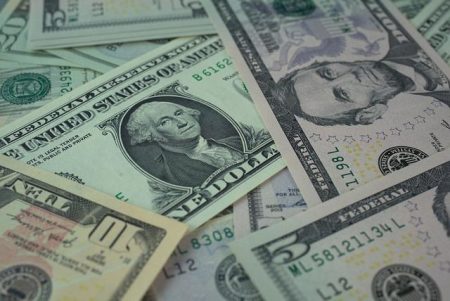




In a country as sprawling and varied as the United States, gatherings have become as defining as geography itself. From sold-out arenas and campaign rallies to neighborhood potlucks and livestreamed conferences, Americans are convening more frequently—yet in increasingly specialized and segmented ways. This “United States of Events” is reshaping how people see themselves, who holds influence, and what civic participation looks like in everyday life. At a moment when trust in major institutions is fragile and attention is one of the most valuable commodities, events function simultaneously as a reflection of American culture and as a testing ground for its political and economic future.
Local events and the new American neighborhood
From shrimp festivals along the Gulf Coast to Diwali lantern walks in suburban cul-de-sacs, neighborhood-scale gatherings are subtly rewriting what “community” means in the United States. Residents describe these occasions not just as entertainment, but as opportunities to renegotiate belonging, leadership, and shared values at the block level.
Urban sociologists and city planners increasingly track these local festivals as informal indicators of social health. When a street fair draws long-time residents, new immigrants, teenagers, and retirees into the same space, it can reveal more about cohesion than survey data. Over time, roles and relationships shift:
– Former strangers become co-hosts or co-organizers, exchanging phone numbers and responsibilities instead of polite nods.
– Food trucks, home-based bakers, and craft vendors evolve into cultural interpreters who introduce the neighborhood to new traditions and tastes.
– Public plazas, church parking lots, and closed-off streets transform into active civic stages rather than passive backdrops.
Traditions in transition
Local events rarely stay static. As demographics change, familiar rituals are remixed and expanded:
– Tradition is remixed when long-standing parades add mariachi ensembles, K-pop dance troupes, or Indigenous drum circles to their lineups.
– Leadership circulates as high school clubs, elder councils, mutual aid groups, and newly arrived residents share decision-making power around programming, vendors, and outreach.
– Local economies diversify through pop-up booths that introduce vegan soul food, Somali coffee ceremonies, or 3D-printed crafts alongside classic funnel cakes and hot dogs.
The outcome is a shifting sense of place: towns once defined by a single heritage festival now anchor multiple overlapping identities, each with its own flagship event.
| City | Signature Event | Emerging Identity |
|---|---|---|
| Boise, Idaho | Basque Block Street Fest | Old West meets Old World |
| Dearborn, Michigan | Ramadan Night Market | Suburban, Arab American hub |
| Brownsville, Texas | Border Arts Weekend | Binational cultural corridor |
The events economy: a hidden engine of growth
From multi-day music festivals to specialized trade expos, the events industry has become one of the most dynamic engines of local and regional growth in the United States. In recent years, large-scale gatherings have generated billions in direct spending on travel, lodging, dining, and services, often rivaling more traditional sectors in their impact.
Economic development agencies now recruit conventions and festivals with the same intensity they once reserved for factories or corporate headquarters. A single marquee event can:
– Fill hotels months in advance
– Boost restaurant and bar revenue
– Increase short-term rentals and rideshare demand
– Drive up sales and lodging tax collections
Behind these visible surges is an intricate network of stakeholders:
– Local governments relying on tourism, hotel occupancy, and hospitality taxes to fund infrastructure and services
– Venue operators transforming arenas, convention centers, and even repurposed warehouses into year-round profit centers
– Small businesses capitalizing on foot traffic, vendor opportunities, and spillover from event crowds
– Gig and part-time workers filling short-term roles in staging, security, AV production, catering, and transportation
Cities where the calendar is a balance sheet
In some metro areas, events are treated as a core industry, with their own metrics, benchmarks, and long-term plans. City officials track visitor numbers and spending as closely as they monitor manufacturing output or tech employment. In these regions, the ability to attract and retain high-profile events can dictate which neighborhoods see new hotels, transit expansions, and public-space improvements.
| City | Annual Major Events | Estimated Visitor Spend |
|---|---|---|
| Las Vegas | 120+ | $4.2B |
| Austin | 70+ | $1.6B |
| Orlando | 85+ | $1.9B |
As hybrid and virtual events continue to evolve, cities are also competing on digital infrastructure, livestream capabilities, and tech readiness. The “United States of events” is no longer just about who can host the biggest crowd in person, but also who can produce the most compelling multi-platform experience.
Campaign events as political theater and data lab
On the campaign trail, every appearance—no matter how small—represents a calculated trade-off. Routes are mapped not only by geography but by electoral math: registration trends, turnout patterns, media markets, and the local concerns most likely to move undecided voters or donors.
Before a candidate lands on a tarmac or steps onto a stage, strategists have already analyzed:
– Historical turnout by precinct and demographic group
– Social media engagement from previous visits
– Key local industries and anxieties—factory closures, housing costs, climate impacts, crime rates
– Which national narratives can be reinforced or countered through local imagery
A rally in a reliably partisan suburb may matter less for flipping votes on the ground than for generating viral clips and favorable cable-news coverage. Conversely, a modest crowd in a union hall or community center can signal renewed attention to wages, healthcare, or pensions—issues that polls suggest might be slipping out of a campaign’s grip.
Different events, different purposes
Campaigns deploy a mix of formats, each with distinct goals and measures of success:
– Rallies focus on scale, spectacle, and high-energy visuals that can be sliced into short, shareable video segments.
– Town halls emphasize open-ended questions and unscripted exchanges that project listening and humility.
– College venues target younger voters, volunteers, and digital amplification through TikTok, Instagram, and campus media.
– Union halls seek credibility with working-class communities and organized labor, often doubling as negotiations for endorsements.
| Event Type | Primary Goal | Key Metric |
|---|---|---|
| Large Rally | Show strength | Crowd shots, TV time |
| Town Hall | Build trust | Local press, persuasion |
| Closed-Door Roundtable | Policy validation | Elite backing, donations |
Events as real-time message testing
Beyond the photo ops and speech excerpts, campaign events function as live laboratories for political messaging. Aides track:
– Which applause lines generate sustained reaction versus polite claps
– Which topics spark unexpected pushback or tough follow-up questions
– How local grievances—rising rents, hospital closures, environmental hazards—override national talking points
A single misstep in a school gym can trigger days of damage control. Conversely, a sharp response to a critical question in a small-town library can become the most replayed moment of the week.
The choreography is intentional: vetted questioners at televised town halls, carefully chosen backdrops that signal economic empathy or patriotic strength, and supporter sections positioned where the cameras will linger. Yet the very unpredictability of in-person interaction is what gives these events their perceived authenticity in a media environment where voters are deeply skeptical of overly polished performances.
Designing safer, more inclusive public events
As parades, concerts, demonstrations, and sports games draw large crowds again, policymakers and planners face mounting expectations to rethink how events are permitted, funded, and policed. The emerging consensus among advocates is that safety cannot be separated from fairness and accessibility. Metal detectors and barricades are only part of the picture; the deeper challenge is to embed accessibility, equity, and resilience into every stage of planning.
That shift involves tying public subsidies and event approvals to meeting measurable standards around crowd safety, disability access, and civil rights protections—and making those criteria public. Behind the scenes, more cities are adopting interoperable communications systems linking police, fire, EMS, transit, public health, and private security. Real-time dashboards increasingly monitor density hotspots, extreme heat warnings, air quality, and transportation backups to allow earlier intervention.
Policy tools for better events
Some of the most promising reforms focus on design, transparency, and community partnership:
– Mandate inclusive design: Require multilingual signage, ADA-compliant routes, stroller- and wheelchair-friendly surfaces, quiet zones for neurodivergent attendees, and shaded rest areas as baseline features of large-event plans.
– Protect civil liberties: Limit or regulate facial recognition, persistent surveillance, and data retention, with independent oversight to ensure that security measures do not chill protest rights or target specific communities.
– Invest in community partners: Provide grants and contracts to neighborhood associations, disability-rights groups, youth organizations, and faith communities to co-author safety and access protocols.
– Harden climate defenses: Build clear triggers for adjusting schedules or formats in response to extreme heat, wildfire smoke, flooding, or severe storms, including backup shelter locations and mass notification systems.
| Policy Shift | Safety Impact | Inclusion Impact |
|---|---|---|
| Standardized crowd-density caps | Reduces crush and trampling risk | Improves navigation for all ages |
| Subsidized transit passes | Cuts traffic and evacuation delays | Opens access for low-income attendees |
| Multilingual emergency alerts | Speeds response in fast-moving crises | Reaches immigrant and deaf communities |
Over time, these changes can shift public gatherings from being experiences that work well only for the most resourced and mobile, to spaces in which a broader cross-section of residents can safely participate.
Key Takeaways
As the political calendar intensifies and every handshake, town hall, and viral mic-drop is dissected for hidden meaning, one dynamic is unmistakable: in this United States of events, spectacle and substance have fused. The rituals of gathering—whether for a local food festival, a national convention, or a protest march—have become central arenas where culture, economics, and politics collide in real time.
Voters and residents now navigate a landscape in which agendas are advanced not only through legislation and news coverage, but through the choreography of stages, camera angles, and crowd shots. A single rally or unexpected exchange can reorder a week’s political narrative; a new festival can permanently alter a city’s brand; a poorly planned event can erode trust in public institutions for years.
How this event-driven culture will ultimately shape governance, policy outcomes, and public faith in democracy is still uncertain. Yet as the 2024 campaign cycle unfolds, one thing is clear: the future story of American democracy will be written not only in voting booths, but also on streets closed for parades, in overflowing arenas, in neighborhood parks, and across the screens where these public moments are endlessly replayed, reframed, and argued over.