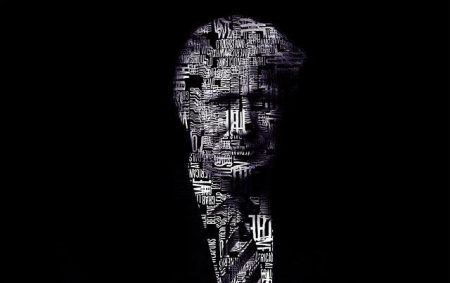



Calls from some conservative activists to install public statues of right‑wing commentator Charlie Kirk are reviving long‑standing conflicts over who is celebrated in America’s shared spaces. Backers describe the effort as a way to recognize a new wave of cultural and political influencers, while critics question Kirk’s polarizing rhetoric and the broader consequences of elevating contemporary media figures into permanent symbols. As proposals emerge in local councils, state legislatures, and coordinated online campaigns, the fight over Kirk monuments is plugging into deeper national arguments about history, identity, and the role of public monuments—mirroring earlier battles over Confederate leaders, Founding Fathers, and other contested icons.
New Battles Over Public Memory: Charlie Kirk Monuments Enter the Local Arena
Across municipal chambers and county boards from Arizona to Florida, conservative organizers are advancing proposals to install permanent tributes to Charlie Kirk in plazas, civic centers, and near school grounds. Supporters portray these plans as a response to what they see as a landscape dominated by progressive or liberal cultural figures. In their view, today’s conservative leaders, including media personalities, deserve visible recognition in stone and metal.
These local drives typically feature coordinated petition efforts at churches and community events, email and letter‑writing campaigns, and direct outreach to Republican officials who view Kirk as an emblem of youth engagement within the conservative movement. Turning Point USA, campus‑based conservative clubs, and county GOP organizations often serve as organizing hubs, leveraging social media to rally donors and attendees for public hearings.
Opponents—including some veteran Republicans and right‑leaning independents—argue that these initiatives blur the line between commemoration and personality cult politics. They warn that treating an active media commentator as a civic icon transforms public squares into stages for partisan competition rather than into spaces of shared remembrance. Planning boards and historic commissions now find themselves weighing not only aesthetics and cost, but also whether they are setting a precedent for live‑time political canonization.
Communities are divided between those who view a Charlie Kirk statue as a declaration of values and those who fear such monuments will embed today’s partisan conflicts into the civic landscape for decades.
- Key backers: Local GOP committees, conservative student groups, church coalitions
- Main objections: Heightened partisanship, lack of historical perspective, potential for long‑term polarization
- Typical locations proposed: Civic squares, public parks, walkways adjacent to schools and campuses
| State | Proposal Type | Status |
|---|---|---|
| Arizona | Bronze plaza statue | Under review |
| Florida | Campus-adjacent bust | Facing legal challenge |
| Ohio | Courthouse lawn monument | Committee hearing scheduled |
From Historical Figures to Media Voices: Historians Warn of a New Memorial Era
Many historians and memory‑studies scholars caution that the trend of turning contemporary media personalities into civic icons risks eroding the distinction between public remembrance and political advertising. In their analysis, today’s wave of proposals in conservative‑led cities and counties reflects a broader shift: statues and monuments are increasingly deployed as tools of ideological branding rather than as markers of a widely accepted historical legacy.
While politically motivated monuments are not new, experts point out that the current environment—shaped by online fundraising, viral campaigns, and intense partisan competition—accelerates the process. What once unfolded over decades can now happen in a single election cycle, with little time to assess a figure’s long‑term significance or potential scandals.
Critics argue that this rapid, partisan use of monuments may harden divisions instead of cultivating a shared narrative. They note that memorial landscapes once developed gradually, as communities reassessed whose stories deserved elevation. Now, those landscapes risk being recast in real time by whichever side briefly holds power.
Researchers highlight several dangers:
- Precedent inflation – Once one party enshrines a current media celebrity, rivals may feel pressure to do the same, multiplying partisan statues across the map.
- Compressed judgment – With little historical distance, communities may rush to memorialize figures whose full impact—positive or negative—is not yet understood.
- Public trust – When parks, courthouse lawns, and campuses become symbolic battlegrounds, residents may see them less as shared spaces and more as arenas for partisan messaging.
To place this shift in context, scholars often compare previous memorial waves with the current push to honor media voices like Charlie Kirk:
| Era | Typical Honorees | Primary Goal |
|---|---|---|
| Post–Civil War | Military leaders | Reconciliation, regional pride & narrative control |
| Civil Rights Era | Civil rights activists, movement leaders | Recognition of hard‑won rights & social transformation |
| Current Push | Media personalities | Ideological signaling, base mobilization & cultural positioning |
Who Gets a Pedestal? Communities Struggle Over Standards for Civic Honor
At the local level, debates over Charlie Kirk monuments are forcing communities to confront a basic question: who has the authority to decide which individuals deserve permanent honor?
City councils, school boards, and county commissions—once focused on zoning disputes and infrastructure repairs—are now hosting emotionally charged hearings about historical legitimacy and ideological balance. Residents present binders of articles, social media screenshots, and pastor endorsements, arguing over whether statues and naming rights should go to long‑tested historic figures or to present‑day cultural warriors.
Many residents argue that permanence in bronze or granite should be reserved for people whose legacies have been assessed across generations—war heroes, civil rights leaders, trailblazing scientists, and others whose contributions have clearly shaped the nation. Supporters of Charlie Kirk counter that the political and cultural battles of today are just as consequential and that ignoring contemporary conservative voices is itself a partisan choice.
Without established standards, local officials are often improvising criteria under intense scrutiny. In response, some municipalities are drafting guidelines aimed at making decisions more consistent and less reactive. These emerging frameworks commonly include:
- Historical impact evaluated over time, not tied solely to a single campaign or media moment.
- Documented contributions to civic life, education, democratic engagement, or public service.
- Community consensus that considers a wide range of residents, including historically marginalized groups.
- Risk of politicization for shared public spaces such as parks, campuses, and civic plazas.
Examples of how these standards play out in practice include:
| Proposal Type | Typical Review Body | Key Concern |
|---|---|---|
| New Kirk statue in civic plaza | City council & arts commission | Partisan branding of the town’s central public square |
| Renaming school auditorium | School board | Signal sent to students about acceptable role models |
| Privately funded campus monument | University trustees | Balancing academic freedom with donor expectations |
Growing Demands for Transparent, Public Rules on Future Monuments
Amid these disputes, advocacy organizations, historians, and some local officials are urging state lawmakers to abandon improvised, behind‑the‑scenes decision‑making. They are pushing for clear, published standards that spell out who can be honored, how proposals should be vetted, and what mechanisms exist when a monument becomes a lightning rod.
Policy briefs now circulating in several state capitols propose a more structured process designed to reduce the influence of short‑term political winds. Reformers are asking lawmakers to:
- Establish independent review panels with historians, community representatives, and arts professionals.
- Require independent historical review to evaluate factual accuracy and broader societal impact.
- Adopt published selection criteria that emphasize civic contribution over partisan celebrity.
- Build in sunset or review clauses that allow periodic reassessment of statues, plaques, and naming rights.
Supporters of these reforms argue that such safeguards could reduce pressure‑driven campaigns, including efforts to erect Charlie Kirk statues, by requiring a more deliberative process before any new figure is elevated into permanent public commemoration.
A central element of these proposals is more meaningful public participation. Rather than waking up to news of a completed statue, residents would be invited into the process from the outset. Recommended measures include:
- Mandatory public hearings at the proposal and pre‑approval stages.
- Open comment periods via town halls, official websites, and digital submission forms.
- Clear, accessible documentation of each proposal’s funding sources, sponsors, and intended message.
- Archiving all testimony and comments for future reference when monuments are reviewed.
Some advocacy groups have sketched out a step‑by‑step model for how new proposals—such as those honoring Charlie Kirk—could move through a more accountable pipeline:
| Step | Public Role | Decision Point |
|---|---|---|
| Proposal Filed | View sponsor details, intended site & funding source | Legislature or local body posts application for public access |
| Review Panel | Submit expert testimony or community letters | Panel issues nonbinding recommendation |
| Public Hearings | Offer support, critique, or alternatives | All comments preserved in a public archive |
| Final Vote | Monitor roll call and hold representatives accountable | Lawmakers or trustees approve, modify, or reject proposal |
The Conclusion
Whether the movement to install Charlie Kirk statues ultimately reshapes the country’s memorial landscape or fades as a brief flare‑up in the broader culture wars, it highlights how fiercely contested public commemoration has become. The debate over Kirk’s likeness is not only about one commentator; it reflects a deeper struggle over how a divided nation chooses its heroes, writes its history, and signals its values in stone and bronze.
As cities, campuses, and statehouses confront these questions, the fight over Charlie Kirk monuments underscores a hardening reality: public statues are no longer simply markers of the past. They are active instruments in ongoing battles over identity, power, and the story Americans want future generations to inherit.