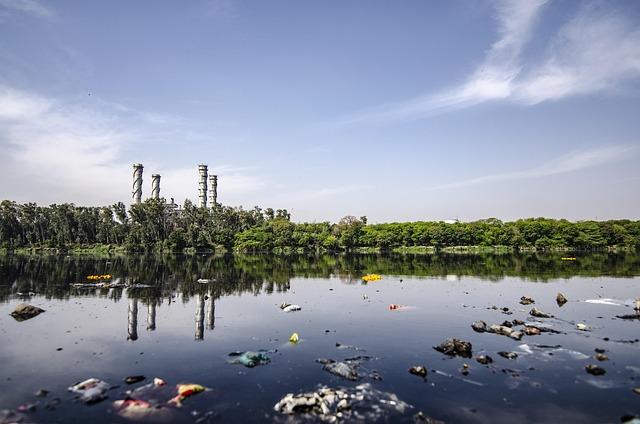
President Donald Trump has authorized a federal emergency declaration after a massive sewage spill polluted the Potomac River, a primary water source for the Washington DC metropolitan area. The decision opens the door to expanded federal funding, technical support and interagency coordination as local, state and federal officials scramble to contain the contamination, evaluate health threats and secure the region’s drinking water. The move follows escalating alarm from environmental regulators, scientists and community advocates over the magnitude of the discharge, the potential harm to sensitive river habitats and what the crisis reveals about the capital’s aging infrastructure.
Potomac River sewage spill prompts sweeping federal emergency response
Within hours of confirmation that millions of gallons of untreated wastewater had entered the Potomac River, the White House triggered emergency powers to accelerate the response. The federal emergency declaration frees specialized teams, emergency cash reserves and technical experts to assist the region. It also streamlines coordination between local utilities and federal agencies, including the Environmental Protection Agency (EPA) and the U.S. Army Corps of Engineers.
Response crews are racing to slow the movement of the contaminated plume before it reaches critical drinking water intake points serving Washington DC and its surrounding suburbs. Officials warn that residents may face temporary interruptions or restrictions on certain uses of the river, including recreation and shoreline activities, as intensified water-quality testing proceeds. Mobile treatment units and backup filtration systems are also being deployed at strategic points to protect tap water reliability.
District officials, who have long struggled with an overtaxed sewer system and more frequent extreme weather, are describing the event as a wake-up call for the region’s water resilience. Public health departments are carefully tracking emergency room visits and clinic reports for signs of waterborne disease, while environmental researchers use real-time monitoring stations, drones and satellite imagery to follow the plume’s spread. In the immediate term, authorities are focused on:
- Installing temporary barriers and booms to restrict the movement of contaminants
- Utilizing aeration and oxygenation equipment in hotspots to reduce ecological damage
- Stepping up high-frequency sampling at municipal water intakes and key river segments
- Issuing updated public advisories regarding swimming, boating, fishing and drinking water usage
- Launching rapid inspections of sewer lines and pump stations in high-risk corridors
| Key Action | Lead Agency | Timeframe |
|---|---|---|
| Intensive water-quality testing | EPA | Ongoing |
| Containment and flow control in river | Army Corps | 24–72 hours |
| Health and safety alerts for public | DC Health | Updated daily |
Decades of neglect: how aging infrastructure set the stage for the capital’s sewage crisis
Behind the dramatic aerial shots of polluted water and closed riverfront parks lies a longstanding structural problem: a wastewater system built for a different era and climate. Much of Washington DC’s sewer network was constructed in the first half of the 20th century, when combined sewers—carrying both sewage and stormwater in the same pipes—were state-of-the-art. Those systems are poorly suited to today’s heavier downpours, which have intensified as the climate warms.
When heavy rain falls, these combined systems can exceed capacity, forcing untreated wastewater into nearby rivers and streams as overflow “relief valves.” Engineers, planners and local advocates have warned for years that patching individual problem spots, rather than rebuilding entire sections of the network, has left the system fragile and prone to failure. Yet large-scale upgrades have repeatedly been delayed by tight budgets, lengthy approval processes and neighborhood disputes over construction impacts.
Regulatory systems have struggled to keep up as well. Oversight bodies have often relied on risk assessments and compliance plans that did not fully factor in the reality of stronger storms, higher base river levels and a rapidly expanding metropolitan population. According to recent climate assessments, extreme rainfall events in the Mid-Atlantic have already increased significantly over the last several decades, a trend expected to continue through mid-century. Still, enforcement timelines and infrastructure standards often lag, effectively treating repeated overflows as rare “exceptions” rather than symptoms of chronic underinvestment.
- Key vulnerabilities: brittle sewer mains, limited-capacity treatment plants, and multiple combined sewer outfalls along the Potomac
- Oversight weaknesses: slow enforcement actions, outdated design standards, and minimal climate-adaptation requirements
- Community impacts: unsafe water access, recurring park and trail closures, and risks to local fisheries, tourism and riverfront businesses
| System Issue | Warning Ignored | Spill Consequence |
|---|---|---|
| Aging combined sewer networks | Frequent overflow incidents and engineer alerts | Mass discharge of untreated sewage to the Potomac |
| Postponed capital improvements | Deferred replacement schedules and shelved projects | Treatment plants pushed beyond design limits |
| Lenient or delayed enforcement | Extended compliance deadlines and limited penalties | Higher pollution loads during major storms |
Public health at risk: how the sewage spill could affect residents
Health agencies across the Washington region are preparing for a possible spike in water-related illnesses following the sewage spill. When large quantities of untreated wastewater enter a river, they can carry bacteria, viruses and parasites that cause gastrointestinal disease, skin irritations and respiratory symptoms. People who swim, wade, kayak or fish in contaminated stretches of the Potomac face the greatest immediate risk, as do pets and children who tend to have more direct contact with water and shorelines.
Local clinics are coordinating with public health departments to identify early patterns in reported symptoms, particularly among residents living near the river, unhoused individuals and low-income households who may have fewer options to avoid potentially contaminated areas. Health officials note that while the region’s major public water supplies are treated and monitored, households relying on private wells in vulnerable zones may need to take extra precautions.
Current public guidance emphasizes the following steps:
- Stay out of affected water: avoid swimming, wading, paddle sports and other direct-contact activities in contaminated stretches of the Potomac.
- Do not consume locally caught fish or shellfish from restricted areas until authorities declare them safe again.
- Use bottled or properly filtered water if your property relies on private wells that could be exposed to floodwater seepage.
- Watch for symptoms such as fever, vomiting, diarrhea, stomach cramps or unusual rashes and contact a healthcare provider promptly.
| Risk Area | Main Concern | Short-Term Outlook |
|---|---|---|
| Urban shorelines and riverfront parks | Direct human contact, pet exposure | Elevated risk for several weeks |
| Wetlands and shallow coves | Oxygen depletion, fish and invertebrate die-offs | Severe stress on local ecosystems |
| Downstream tributaries and small streams | Spread of pathogens and nutrients into residential areas | Gradual, moving wave of contamination |
Ecological damage: long-term threats to the Potomac River ecosystem
Scientists caution that while public attention often focuses on immediate closures and advisories, the ecological fallout of a sewage spill of this scale will play out over months or even years. Untreated wastewater carries high levels of organic matter and nutrients such as nitrogen and phosphorus. Once in the river, these can trigger harmful algal blooms, deplete dissolved oxygen levels and create “dead zones” where fish and other aquatic life cannot survive.
Past incidents in similar urban rivers have led to delayed but substantial die-offs of fish, freshwater mussels and aquatic insects, with ripple effects up the food chain. Birds and other wildlife that feed on contaminated prey may accumulate toxins or pathogens, and submerged aquatic vegetation—vital for stabilizing riverbanks and filtering pollutants—can be smothered or killed off by murky, low-oxygen conditions.
In the Potomac, ecologists are particularly concerned about sensitive tidal areas and wetlands that support migratory birds and nursery grounds for fish. Conservation organizations are urging a rapid, science-based response that includes:
- Continuous water-quality monitoring at strategic sites along the main river and its tributaries, using sensors for dissolved oxygen, nutrient levels and bacteria.
- Targeted restoration work, such as replanting submerged aquatic vegetation and reinforcing eroded shorelines once acute contamination subsides.
- Emergency aeration or mixing systems in still-water coves and inlets that are especially vulnerable to fish kills.
- Clear, map-based transparency tools that show real-time pollution levels, closures and cleanup progress to the public.
Closing the gaps: investments and policy reforms to prevent future spills
In the wake of the Potomac River sewage spill, planners and environmental advocates argue that the region can no longer rely on stopgap repairs and short-term fixes. Preventing a repeat will require major, sustained investments in underground infrastructure as well as a rethinking of how stormwater and wastewater are managed in a warming climate.
Policy experts are calling for dedicated climate-resilience funding that prioritizes sewer and stormwater upgrades in the most vulnerable neighborhoods. They also urge tougher enforcement of discharge permits, with stronger penalties for repeat violations and mandatory public disclosure of overflows in real time. Because the Potomac watershed spans Washington DC, Maryland and Virginia, regional collaboration will be essential.
- Accelerated replacement of high-risk sewer mains and pump stations in flood-prone districts
- Shared regional funding models so DC, Maryland and Virginia can coordinate upgrades instead of acting in isolation
- More rigorous inspection and maintenance schedules backed by escalating fines for chronic noncompliance
- Expansion of green infrastructure—such as rain gardens, green roofs and permeable pavements—to reduce stormwater entering the sewer system
| Priority Area | Key Action | Timeline Goal |
|---|---|---|
| Sewage Infrastructure | Replace and upsize vulnerable mains and pump stations | 0–5 years |
| Monitoring & Transparency | Deploy real-time overflow and spill alert systems | Within 2 years |
| Policy & Oversight | Tighten discharge limits and shorten compliance windows | 0–3 years |
| Climate Adaptation | Flood-proof treatment plants and critical facilities | 5–10 years |
Beyond bricks-and-mortar projects, environmental organizations want lawmakers to tie future federal disaster funding to binding modernization and climate-adaptation plans. Under these proposals, utilities receiving aid would be required to publish detailed risk assessments, climate projections and upgrade timelines for all high-priority assets along the Potomac and its feeder streams. Regional planning bodies are also pushing for a unified watershed authority with the power to coordinate emergency response, standardize water-quality benchmarks and manage large-scale procurement for infrastructure projects.
These reforms mirror broader national discussions about water infrastructure resilience. Across the United States, the American Society of Civil Engineers has consistently graded wastewater systems poorly, warning that many communities are one major storm away from serious failures. The Potomac spill now places Washington DC at the center of that debate, illustrating how quickly undermaintained systems can turn into full-blown emergencies.
The Conclusion
As emergency crews work around the clock to contain the sewage spill and shield downstream communities, the ultimate environmental, health and political consequences on the Potomac River are still emerging. The federal emergency declaration is only the first step in what is likely to be a lengthy process of cleanup, assessment and accountability.
In the coming weeks and months, residents, environmental groups and elected officials will be watching not just for progress in restoring the river, but also for a clear plan to address the vulnerabilities that made the disaster possible. For a waterway that supports millions of people, a central question now looms: will this crisis mark a turning point toward serious investment and reform, or will it become another warning ignored until the next, potentially larger, spill occurs?