




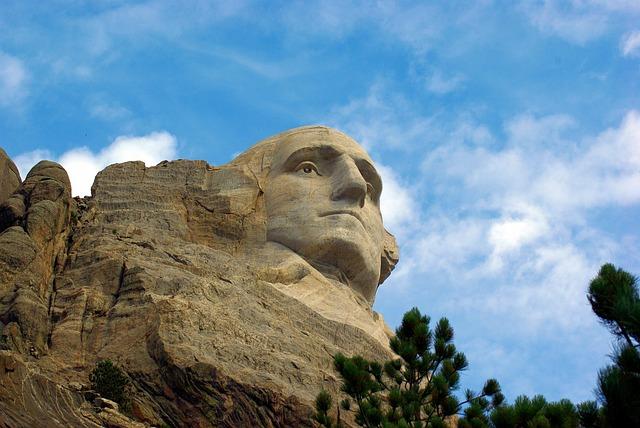
Long before George Washington took the presidential oath, he was already operating as a shrewd, large‑scale entrepreneur. He managed thousands of acres, diversified his crops, and ultimately ran one of the biggest whiskey distilleries in early America. His systematic, profit-focused mindset would feel familiar in a modern boardroom. A recent analysis from Knowledge at Wharton reframes Washington not just as a military commander and statesman, but as America’s first entrepreneur — a leader whose financial discipline, appetite for calculated risk, and keen sense of reputation helped shape both a new nation and an emerging business culture.
George Washington’s Pre-Presidential Business: A Multifaceted Commercial Empire
Years before he led the country, Washington was building what we would now describe as an integrated, diversified business centered on Mount Vernon. Initially dependent on tobacco, he pivoted toward wheat when he recognized the volatility and soil damage linked to tobacco farming. Instead of simply selling grain, he invested in his own milling capacity and began producing export-ready flour.
Washington’s flour carried a distinctive brand: “Superfine Flour made at Mount Vernon.” That label turned his estate into a recognizable mark of quality in Caribbean and European markets. Profits from these sales were strategically reinvested into western land speculation, tenant-managed farms, and trials of alternative crops to blunt the impact of shifting prices and environmental strain.
From a modern perspective, Washington was running a regional agribusiness and supply-chain hub. He cultivated relationships with merchants, carefully tracked shipping routes and costs, and used detailed ledgers to monitor performance. In an era without spreadsheets or digital tools, he still managed his estate as a complex portfolio rather than a single farm.
An Early American Conglomerate in Practice
Over time, Mount Vernon resembled an 18th‑century conglomerate, where agriculture intersected with manufacturing, hospitality, and resource extraction. Washington’s ventures spanned several industries:
- Distilling: A large whiskey distillery that converted surplus rye and corn into high-margin spirits, tapping into a fast-growing colonial demand.
- Fishing: Extensive shad and herring operations along the Potomac River, producing salted fish for local consumption and for sale in regional markets.
- Hospitality: Paid tours, meals, and lodging for visitors, politicians, foreign envoys, and curiosity seekers who wanted to experience Mount Vernon firsthand.
- Forestry and brickmaking: In‑house timber and brick production that supplied construction projects on the estate and minimized reliance on external suppliers.
In today’s language, he combined production, processing, branding, and distribution under one roof, using his land, labor, and reputation as core assets.
| Business Line | Primary Output | Strategic Purpose |
|---|---|---|
| Wheat & Flour | Export-grade flour | Reliable revenue, reputation for quality |
| Whiskey Distillery | Rye-based whiskey | Turn excess grain into high-value product |
| Fisheries | Salted river fish | Seasonal cash flow, barter and trade goods |
| Land Holdings | Rents, leases & resale | Long‑term wealth accumulation |
Mount Vernon as a Brand: How Washington Used Image, Innovation, and Risk Control
Behind the picturesque image of Mount Vernon was a tightly managed brand ecosystem. Washington understood that his property, his name, and even his personal demeanor could function as a kind of trademark. He cultivated an image of steadiness and integrity that extended from the layout of his fields to the conduct of his household.
The design of the estate — manicured grounds, orderly workspaces, and an impressive main house — reinforced a story of discipline and productivity. Visitors were not just entertained; they were guided through an experience that showcased innovation without recklessness. New crops were visible but not chaotic. Experimental plots were contained and methodical, signaling prudence instead of risk for risk’s sake.
In many ways, Mount Vernon operated like a curated corporate campus that communicated a unified message to customers, investors, and partners: this was a place of reliability, efficiency, and forward-thinking management.
- Targeted experimentation — testing new crops and tools on limited acreage before rolling them out widely.
- Reputation as capital — using personal trust and demonstrated competence to secure credit and attract collaborators.
- Coherent brand identity — aligning the look and feel of the estate with values of order, moderation, and hard work.
- Evidence-based agriculture — keeping systematic records of weather patterns, yields, and labor efficiency to guide decisions.
| Strategy | Modern Parallel | Risk Goal |
|---|---|---|
| Multiple revenue streams | Mix of business units and products | Limit exposure to any single commodity |
| Curated estate visits | Managed executive briefings and campus tours | Shape how stakeholders perceive the enterprise |
| Detailed notebooks and ledgers | Centralized analytics and reporting tools | Spot problems early and guide resource allocation |
What Washington’s Ledgers Reveal: Bringing 18th-Century Rigor to Today’s Entrepreneurship
Washington’s account books show a founder who approached his estate as an integrated financial system. Every field, building, and activity was evaluated in terms of cost and return. He itemized labor, transport, tools, and output with a level of detail that closely resembles modern performance tracking.
For today’s entrepreneurs, the underlying principle is familiar: treat financial data as an active management tool, not a passive record. Washington used his ledgers to test ideas, measure results, and quickly cut back on ventures that underperformed. That willingness to pivot from failing crops or methods is strikingly similar to the “test–learn–adapt” cycle embraced by lean startups and growth-stage companies.
In the 2020s, founders have access to real-time analytics, cloud accounting software, and AI-driven forecasting. Washington had ink and paper, yet he used them to build something akin to an early warning system for his business. When prices, weather, or demand shifted, his records helped him see the change and respond faster than many of his contemporaries.
His discipline also extended to how he managed obligations and alliances. Washington tracked loans, debts, and favors — recognizing that his personal network was as important to liquidity as the cash in his strongbox. He understood that creditworthiness, reliability, and reciprocity could open doors long before money changed hands, a lesson that remains relevant in today’s capital markets and startup ecosystems.
Key practices that still resonate include:
- Daily visibility into receipts, expenses, and pending obligations.
- Firm boundaries between personal spending and business accounts.
- Written agreements for loans, partnerships, and shared ventures.
- Routine reviews to re-evaluate strategy in light of fresh data.
| Washington’s Habit | Modern Startup Practice |
|---|---|
| Comprehensive plantation ledgers | Continuous financial dashboards and reporting |
| Field-by-field performance tracking | Feature- or segment-level product analytics |
| Systematic recording of obligations and favors | CRM tools and stakeholder maps |
| Rapid shift from unprofitable crops | Redirecting resources from weak to strong revenue lines |
Leadership, Partnerships, and Sustainable Growth: Washington’s Blueprint for Founders
Washington’s approach to leadership offers another layer of insight for modern founders. He did not try to operate as a one-person command center. Instead, he brought strong-willed, highly capable individuals into his inner circle, listened to their conflicting views, and then made a final call. That balance — encouraging debate while maintaining clear authority — is echoed in effective executive teams and boards today.
Startup leaders, especially in volatile markets and high-pressure funding environments, can draw several lessons from his style:
- Invite structured disagreement so that strategies are pressure-tested before they hit the market.
- Delegate real responsibility to trusted lieutenants while keeping strategic accountability at the top.
- Design incentives around a shared mission so partners and early employees stay engaged through setbacks.
- Prepare for succession early, treating leadership changes as planned phases, not crises.
| Washington’s Move | Startup Parallel |
|---|---|
| Assembling a forceful cabinet of advisors | Building a diverse C‑suite and independent board |
| Declining a third presidential term | Defining a founder’s timeline for transition or role change |
| Backing infrastructure and institutions | Investing in core product, systems, and culture over short‑term hype |
Washington also demonstrated a rare restraint for someone with significant power and ambition. He resisted the temptation to pursue unchecked expansion or cling to office indefinitely. Instead, he focused on strengthening institutions, clarifying rules, and building credibility that would outlast him. In today’s environment — where investors increasingly question “growth at any cost” and reward sustainable models — that long-term mindset is especially relevant.
Founders can pull three enduring principles from his example:
- Transparent governance that builds durable trust with customers, employees, and backers.
- Disciplined capital allocation that protects the core business from overextension.
- Long-horizon coalition-building with partners who may disagree on tactics but share an end goal.
To Conclude
The resulting portrait is more expansive than the familiar image of Washington crossing the Delaware or presiding over the Constitutional Convention. It is the picture of a strategist who saw the new republic as both a cause and a construction project — something to defend and something to build, brick by brick and ledger by ledger.
As Knowledge at Wharton’s study of his letters, accounts, and land deals makes clear, Washington’s achievements rested not only on battlefield decisions, but also on diversification, careful risk management, and long-range planning. That combination of caution and boldness feels remarkably contemporary.
Understanding George Washington as America’s first entrepreneur does not overshadow his political role; it reframes it. It suggests that the founding era was not just a revolution in governance, but also an early experiment in economic creativity and institutional design. For today’s founders, executives, and students of business, his methods offer more than historical curiosity — they provide a working model for how to build something that lasts.


