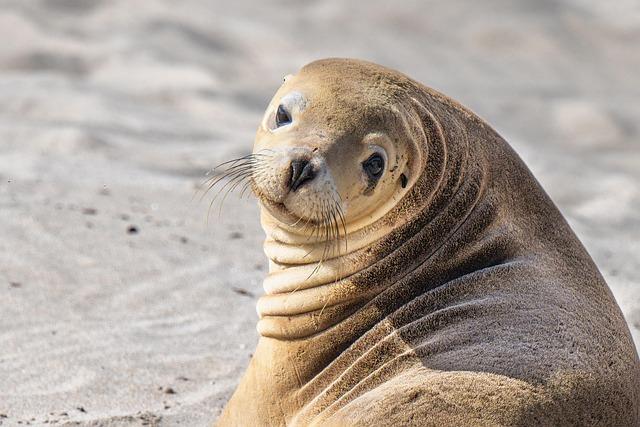
Authorities in Hawaiʻi have taken a man into custody after he was allegedly filmed hurling a rock at the head of an endangered Hawaiian monk seal, a marine mammal protected under federal law. The disturbing footage, which quickly circulated across social media platforms, shows the seal resting on the shoreline when the attack reportedly occurred. The incident has provoked widespread public anger and reignited urgent calls for tougher enforcement of wildlife protection laws in the islands, where harassing or injuring monk seals can lead to serious criminal consequences.
Alleged monk seal attack sparks renewed concern for protected marine life
According to state wildlife officials, the alleged assault took place along a relatively secluded stretch of Oʻahu’s coast, a known haul-out zone where Hawaiian monk seals often come ashore to rest, molt, and care for their pups. Witnesses told investigators that a man walked toward the animal, approached within close range, and then allegedly threw a sizable rock directly at the seal’s head.
Bystanders captured the encounter on their phones, and the video’s rapid spread online prompted an immediate response from both state and federal agencies. Investigators quickly identified a suspect, who was arrested on suspicion of violating multiple wildlife protection laws, including statutes focused specifically on endangered species and marine mammals.
This case comes at a time when biologists and conservation groups are sounding alarms about the future of the Hawaiian monk seal—one of the world’s most endangered marine mammals and a species found almost exclusively in Hawaiʻi. Human disturbance continues to be one of the most visible threats, especially as tourism rebounds and coastal areas grow busier each year. Officials report a rise in complaints about people crowding resting seals for selfies, breaking legally required buffer distances, and ignoring instructions from volunteers and officers.
To reduce dangerous encounters, agencies repeatedly stress a few basic guidelines that residents and visitors must follow:
- Keep your distance: Stay at least 50 feet (15 meters) from resting monk seals, and more if they appear agitated or are with pups.
- Do not touch, chase, or feed wildlife: Any direct contact is considered harassment and can alter natural behavior.
- Report violations immediately: Call designated hotlines or local authorities if you witness disturbances, injuries, or harassment.
| Hawaiian Monk Seal Snapshot | Details |
|---|---|
| Estimated population | ~1,600 seals (with most in the Northwestern Hawaiian Islands) |
| Status | Endangered (U.S. Endangered Species Act) |
| Main threats | Human disturbance, entanglement in marine debris, loss of habitat, food scarcity, and climate-related changes |
Wildlife protection laws and possible consequences for the suspect
Officials emphasize that the allegations go far beyond simple animal abuse. Because the Hawaiian monk seal is shielded by multiple layers of law, the case is being treated as a serious environmental crime. Under the Endangered Species Act (ESA) and the Marine Mammal Protection Act (MMPA), it is illegal to harass, harm, hunt, capture, or kill listed species and most marine mammals without authorization.
These federal protections are reinforced by Hawaiʻi’s own wildlife statutes, which can add additional charges and penalties. Legal analysts note that courts across the United States are increasingly willing to treat deliberate attacks on endangered animals as felony-level offenses due to their broader impact on species survival and ecosystem health.
If found guilty, the suspect could face:
- Criminal penalties – including misdemeanor or felony charges, depending on the severity and circumstances of the offense.
- Substantial fines – potentially tens of thousands of dollars under federal and state law.
- Jail time – ranging from months to several years for serious violations.
- Restitution orders – covering veterinary care, necropsies, and conservation costs associated with the incident.
- Probation and mandatory education – such as court-ordered training or community service with environmental organizations.
Authorities underscore that these measures are designed to deter similar attacks, especially in high-traffic beaches where curiosity and crowding can quickly escalate into harassment. Public reporting is a key tool in enforcement, helping investigators piece together evidence and hold offenders accountable.
| Law | Focus | Potential Penalties |
|---|---|---|
| Endangered Species Act (ESA) | Protection of species listed as endangered or threatened and their critical habitat | Civil fines and criminal charges, including potential felony counts |
| Marine Mammal Protection Act (MMPA) | Prohibits harassment, injury, or killing of marine mammals without authorization | Civil penalties, criminal sanctions, and forfeiture of equipment used in violations |
| State Wildlife Statutes | State-level protection of local species, habitats, and coastal zones | Additional fines, jail, probation, and loss of certain licenses |
How human actions are straining Hawaiʻi’s fragile coastal ecosystems
The alleged rock-throwing incident is just one example of the mounting pressures facing Hawaii’s marine wildlife. Conservation scientists point out that monk seals, sea turtles, seabirds, and other native species all contend with a growing list of human-related threats that compound over time.
Hawaiian monk seals already face limited habitat, competition for food, and entanglement in marine debris drifting across the Pacific. Layer on top of that the constant presence of people on beaches and in nearshore waters, and the margin for survival becomes even thinner. Researchers have documented cases where repeated disturbances cause seals to abandon favored resting sites, interrupt nursing, or avoid key foraging grounds.
In popular coastal areas, animals must navigate:
- Direct harassment – including throwing objects, chasing animals back into the water, or surrounding them for close photographs.
- Heavy beach use – large crowds, beach gear, and recreational activities that displace wildlife from traditional haul-outs and nesting sites.
- Pollution and marine debris – fishing lines, nets, plastics, and other trash that can entangle or be ingested by seals and turtles.
- Boat and jet ski traffic – noise, propeller injuries, and collisions with animals resting or surfacing to breathe.
- Coastal development – seawalls, hotels, and infrastructure that alter natural shorelines and accelerate erosion, shrinking available habitat.
Globally, the World Wildlife Fund and other organizations note that roughly 90% of marine bird species and many marine mammals have been affected in some way by plastic pollution or entanglement. For a small, isolated population like the Hawaiian monk seal, each added stressor can have outsized consequences.
| Human Action | Immediate Impact | Long-Term Risk |
|---|---|---|
| Throwing objects at seals | Physical injury, fear response, disruption of resting | Reduced survival, lower reproductive success, avoidance of key sites |
| Ignoring wildlife buffer zones | Disturbed or displaced animals, interrupted nursing or molting | Loss of reliable haul-out areas and pupping beaches |
| Illegal feeding of seals or turtles | Animals become habituated to humans and change natural foraging | More aggressive behavior, increased injuries, and management removals |
| Unregulated coastal building | Damage to dunes, reefs, and nearshore habitat | Coastal erosion, habitat fragmentation, and fewer safe resting sites |
Community action: how residents and visitors can protect monk seals
Officials say that everyday choices by beachgoers can dramatically influence whether Hawaiʻi’s endangered monk seals recover or continue to struggle. People on the shoreline are often the first—and sometimes only—witnesses to harassment, injuries, or stranded animals. When bystanders respond quickly and safely, authorities have a far better chance of intervening and holding offenders accountable.
If you see a situation involving a monk seal:
- Call 911 right away if you witness an active assault, direct harassment, or an immediate threat to the animal’s safety.
- Use NOAA’s marine wildlife hotline or local conservation hotlines to report non-emergency concerns, such as a seal with a visible injury or entanglement.
- Quietly document what you see from a safe distance—take clear photos or video, note the time, exact location, and a description of any people or vehicles involved, including license plates.
- Do not physically confront the suspect or attempt to intervene in a way that puts you or others at risk; your role is to gather information and alert authorities.
Beyond individual reporting, coastal communities can adopt proactive strategies to reduce harmful encounters before they happen. Neighborhood groups, schools, surf clubs, and hotels can collaborate on:
- Beach watch programs – volunteer patrols during busy hours that educate visitors and keep an eye out for problem behavior.
- Clear signage and barrier lines – rope perimeters, cones, or informational boards that mark off resting areas for monk seals.
- Public awareness campaigns – social media outreach, visitor guides, and hotel briefings that explain legal protections and safe viewing distances.
- Partnerships with lifeguards and tour operators – ensuring frontline personnel know how to respond when wildlife is disturbed or threatened.
| Action | Who to Contact |
|---|---|
| Violent attack or active harassment of a seal | 911, local police or county law enforcement |
| Injured, entangled, or distressed monk seal | NOAA marine mammal stranding hotline or local marine rescue partners |
| Suspicious behavior, repeated disturbances, or pattern of harassment | State wildlife officers or conservation enforcement divisions |
By treating shoreline vigilance as a shared responsibility—rather than leaving it solely to understaffed agencies—local communities can help ensure that monk seals remain safe on the very beaches they have used for generations.
Conclusion: what the Hawaiian monk seal case means for the future
Investigators say the case is still active as they analyze additional video, take statements from witnesses, and coordinate between state and federal agencies. The accused individual is expected to appear in court, where prosecutors will lay out the formal charges and outline how existing wildlife protection laws apply to the alleged attack.
In the meantime, federal and state officials are urging anyone who observes harassment of monk seals or other protected marine species to speak up and to maintain safe viewing distances at all times. Tips related specifically to this incident—or to similar behavior elsewhere—are being directed to law enforcement and wildlife hotlines.
Beyond the immediate legal process, the case highlights a deeper conflict playing out along many of Hawaiʻi’s shorelines: fragile ecosystems and endangered animals are trying to coexist with heavily used recreational beaches and a steady stream of visitors. Wildlife advocates hope that whatever penalties result will send a strong message that harming a Hawaiian monk seal is not only illegal, but also a violation of the community’s responsibility to safeguard one of the islands’ most iconic native species.