


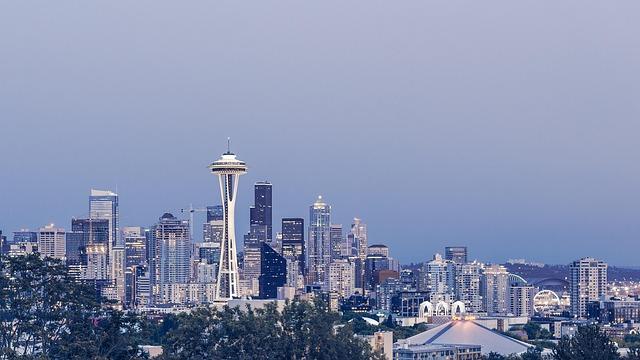
Seattle, Washington has long been known for its misty mornings, ferry horns, and a skyline dominated by both cranes and cloud-computing giants. Today, the city is once again reinventing itself. New tech corridors, ambitious waterfront plans, and sweeping climate policies are colliding with mounting housing pressures and persistent inequities. As global brands expand and local startups thrive, Seattle is wrestling with how to foster prosperity without losing the Pacific Northwest identity that made it one of the country’s most sought-after urban destinations. This report explores how the Emerald City is managing breakneck change while attempting to stay livable, inclusive, and sustainable.
Seattle Tech Boom: New Innovation Corridors And A Changing Workforce
From South Lake Union to the Interbay corridor, emerging tech hubs are rapidly redefining Seattle’s economic core. Neighborhoods once characterized by warehouses, rail lines, and maritime facilities are now dense with research labs, modern offices, and venture-backed startups. Global tech companies continue to expand their satellite campuses, while homegrown firms in cloud infrastructure, clean energy, and applied AI scale at a pace that is reshaping wages and career paths across the region.
Local economic development officials describe an ongoing transition away from a logistics- and manufacturing-heavy base toward a data- and research-driven economy. Established employers in aerospace, retail, and logistics are rapidly building out their own engineering and data teams, intensifying competition for specialized talent and driving up compensation in technical fields.
- Key growth engines: AI labs, biotech startups, climate-tech manufacturers
- Hot neighborhoods: South Lake Union, Fremont, SoDo, Interbay
- Workforce impact: Upskilling, reskilling, and rising remote-hybrid roles
| Hub | Focus Area | Estimated Job Growth (5 yrs) |
|---|---|---|
| South Lake Union | Biotech & Cloud | +35% |
| Fremont | AI & Robotics | +28% |
| SoDo | Clean Tech | +24% |
Yet the tech surge is also amplifying divides within the labor market. High-wage roles in software engineering, data science, and biotech research contrast sharply with lower-paid hospitality, retail, and service jobs that support these campuses. Workforce agencies and education providers report record interest in coding bootcamps, data analytics certificates, and green-tech apprenticeships as workers try to move into more resilient careers.
Community colleges and training nonprofits are collaborating with employers to design credentials that lead to direct hiring pipelines. At the same time, city leaders caution that without deliberate efforts—scholarships, targeted outreach, and neighborhood-based training sites—residents from historically underrepresented communities could be shut out of the highest-growth sectors. The risk, they warn, is an economy that looks impressively strong on paper while deepening existing income and racial disparities.
Housing Crunch: Seattle Affordability, Zoning, And Urban Equity
Rapid economic expansion has collided with constrained housing supply, putting intense pressure on renters and would-be homebuyers. New luxury towers and townhome clusters line major transit corridors, but rising prices are pushing many long-term residents to the city’s edges or out of the metro area entirely. Seattle planners are under increasing scrutiny as they try to balance aggressive growth forecasts with goals around equity, climate, and livability.
Policy discussions focus heavily on tools such as inclusionary zoning, upzoning around light rail, and revised parking minimums to unlock more housing in transit-rich neighborhoods. Advocates argue that tightly restricted single-family zones have constrained supply and contributed to higher prices, while tenant groups insist that new development must include stronger renter protections and deeper affordability requirements to curb displacement.
- Displacement: Redevelopment in historically diverse districts threatens cultural and community roots.
- Infrastructure strain: Transit lines, schools, and utilities are struggling to keep pace with added density.
- Zoning battles: Proposals for denser multifamily housing face pushback from some homeowners.
- Affordability gap: Local wages, especially outside of tech, lag far behind rental and mortgage costs.
| Factor | 2024 Snapshot |
|---|---|
| Median Rent (1BR) | $2,100/month |
| Median Home Price | $890,000 |
| Vacancy Rate | 3.5% |
| New Units Permitted | 14,000 |
Across Seattle, neighborhood councils, tenant unions, and business associations are bringing these debates into community centers and school auditoriums. Residents are asking for clearer timelines for new construction, more transparency on who benefits from tax incentives, and firm commitments to preserve existing affordable housing. For many, the core question is whether Seattle will remain accessible to teachers, nurses, artists, and service workers—or become a city primarily for high-income professionals.
Waterfront Reimagined: Linking Downtown Seattle And Puget Sound
One of Seattle’s most visible transformations is unfolding along the downtown waterfront, where demolition of aging infrastructure has opened the door to a more people-focused shoreline. The city is replacing former traffic-choked corridors with a continuous public promenade, expanded sidewalks, and new green spaces that invite residents and visitors to engage more directly with Puget Sound.
A redesigned Alaskan Way will feature calmer traffic patterns, safer crossings, and dedicated bike lanes, complementing a network of plazas that knit together historic districts, ferry terminals, and cultural attractions. Planners emphasize that the project is as much about safety and resilience as it is about aesthetics: upgraded seawalls and ecology-focused design aim to support marine life while better protecting the city from rising seas and seismic events.
- Linear waterfront park planted with native species, offering shaded seating and play areas.
- Public access piers designed for kayaks, small boats, and on-the-water educational programming.
- Cultural nodes that will showcase public art, pop-up markets, and performances.
- Improved transit links tying together light rail, ferries, buses, and bike networks.
| Feature | Target Year | Primary Benefit |
|---|---|---|
| Central Promenade | 2026 | Pedestrian access |
| New Public Piers | 2027 | Recreation & tourism |
| Habitat Enhancements | 2028 | Marine ecosystem health |
Local merchants and hospitality businesses hope the project will boost year-round foot traffic and diversify visitor activity beyond peak cruise season. Environmental organizations are monitoring how the design incorporates salmon-friendly features and intertidal habitats. While construction disruptions have triggered short-term frustrations, many stakeholders see the waterfront overhaul as a generational opportunity to reconnect downtown Seattle with the water that shaped its history.
Climate Resilience: Seattle Sustainability Policies And Community Preparedness
As climate-related threats intensify across the Pacific Northwest—ranging from wildfire smoke and extreme heat to heavy rainfall and flooding—Seattle leaders are accelerating sustainability initiatives. A recent climate package introduced at city and county hearings aims to cut emissions, strengthen infrastructure, and protect communities that are most vulnerable to climate impacts.
Key elements of this agenda prioritize building efficiency, renewable energy, and neighborhood-level resilience. Policies under discussion and implementation include:
- Mandatory energy benchmarking for large commercial and multifamily buildings to track and reduce consumption.
- Incentives for heat pumps and rooftop solar in low- and moderate-income housing to lower utility bills and cut emissions.
- Green infrastructure projects such as rain gardens and permeable pavements to absorb stormwater and minimize flood risks.
- Resilience hubs located in community centers to offer cooling, air filtration, charging stations, and emergency support.
| Initiative | Target Date | Primary Impact |
|---|---|---|
| City Fleet Electrification | 2028 | Lower municipal emissions |
| Neighborhood Resilience Hubs | 2026 | Heat and smoke protection |
| Waterfront Flood Barriers | 2030 | Sea-level rise defense |
Business groups, often wary of new regulation, are increasingly acknowledging the financial toll of climate disruptions: weeks of hazardous wildfire smoke, productivity losses from extreme heat, and infrastructure damage from intense storms. Some industry leaders now see proactive climate planning as a way to protect supply chains, retain workers, and remain competitive.
Environmental advocates support the direction of these measures but are pressing for binding timelines, rigorous enforcement, and independent monitoring to ensure progress. City planners, in turn, highlight the importance of aligning local policy with state and federal climate funding streams—particularly those tied to clean transportation corridors, port decarbonization, and climate-smart housing. The overarching challenge is to move beyond isolated pilot projects toward comprehensive standards that can withstand both political shifts and accelerating climate impacts.
Conclusion: Seattle At A Crossroads For Urban Futures
Seattle’s current moment is defined by overlapping transformations: an evolving tech-dominated economy, intense housing pressures, a reimagined waterfront, and far-reaching climate resilience efforts. Each of these forces is reshaping how people live, work, and move through the city.
The way Seattle navigates this period—balancing growth with affordability, innovation with inclusion, and development with environmental stewardship—will influence not only its own trajectory but also serve as a reference point for other American cities grappling with similar questions. On the shores of Puget Sound, the Emerald City is drafting its next chapter in real time, testing whether a fast-growing metropolis can preserve its character while adapting to a rapidly changing world.