



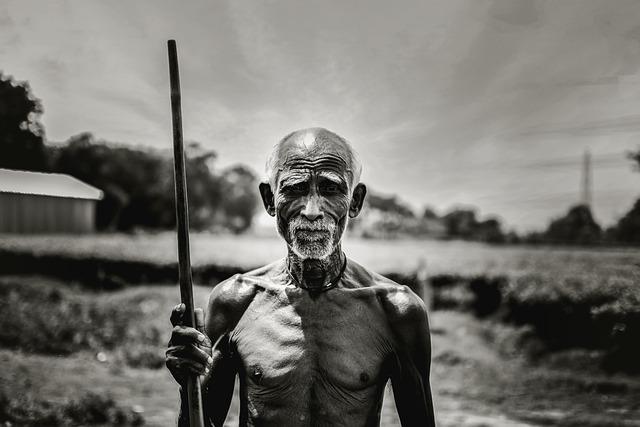
In the United States, the electorate does not simply mirror the living population. Deep, long‑standing gaps in life expectancy between high‑ and low‑income Americans mean that millions of poorer citizens die years—often decades—before their wealthier peers. Those premature deaths quietly tilt the electorate toward voters who are older, richer, disproportionately white, and more likely to vote Republican. What has long been treated as a crisis in public health is now also a structural force in American democracy, shaping which priorities reach the ballot box and, ultimately, the law books.
How Early Death Among Low-Income Americans Rewrites the Voter Map
When people with the lowest incomes are far more likely to die before they reach 65, they vanish from the voter rolls just as their health, housing and income needs peak. The result is a systematic bias in who votes: compared with the overall population, the active electorate skews older, wealthier and healthier. That group, on average, places greater emphasis on keeping taxes predictable, protecting assets and limiting government expansion than on robust investments in public health, worker protections and affordable housing.
This quiet attrition alters political representation over time. Communities that experience high rates of early mortality gradually lose political heft, even if their population remains large on paper. Elected officials from these areas face less electoral pressure to confront the conditions that shorten lives—such as dangerous work, unstable housing, pollution, addiction and limited access to care—because so many of the people most affected never make it to multiple election cycles.
The shift is not always dramatic in a single year, but it becomes visible when you track turnout, campaign messaging and legislative priorities across decades. Debates over Medicaid expansion, raising the minimum wage or tightening environmental rules are often decided in statehouses and Congress where a substantial share of potential beneficiaries are no longer alive to vote. Political scientists describe a self-reinforcing loop: because premature death disproportionately removes the poorest and sickest from the electorate, lawmakers hear less from people harmed by weak safety nets—and therefore face fewer incentives to repair them.
Over time, the pattern pushes policy in specific directions:
- Health policy tends to prioritize cost control and deficit reduction rather than broad coverage expansion or aggressive access reforms.
- Labor and wage laws change slowly, even as mortality for low-wage workers rises due to stress, injury, and chronic disease.
- Social safety-net programs remain too small, too conditional, or too bureaucratic to match the scale of need in communities with the shortest life expectancy.
| Voter Group | Average Age | Top Policy Priority |
|---|---|---|
| Surviving Low-Income Voters | 50 | Health care & wages |
| Higher-Income Voters | 56 | Taxes & inflation |
How the Disappearance of Poor Voters Skews Debates on Health Care, Housing and Wages
When large numbers of low-income Americans never reach retirement age, the center of political gravity shifts toward the preferences of those who do: richer, better insured, and more likely to have stable housing and steady medical care. That demographic pattern narrows the range of lived experience represented in legislative chambers.
On health care, this means less pressure to:
- Expand Medicaid eligibility or make enrollment simpler.
- Cap prescription drug prices and out-of-pocket costs.
- Invest in community health centers, mobile clinics and addiction treatment in underserved areas.
Instead, the dominant voices in many debates are those of voters more concerned with keeping their existing insurance intact, limiting premium increases, and protecting Medicare benefits. The everyday realities of skipped cancer screenings, unfilled prescriptions, or hospital closures in low-income and rural areas often recede from view.
Housing policy follows a similar pattern. Because homeowners and landlords are overrepresented in the surviving electorate, legislation tends to prioritize:
- Housing: preserving property values, keeping property taxes contained, and protecting zoning rules that limit new construction or multi-family housing. Proposals for rental vouchers, zoning reform, and strong anti-eviction protections struggle to gain lasting momentum.
- Wages: efforts to raise the minimum wage, strengthen unions or guarantee predictable scheduling face steep opposition, especially when business interests are well-organized and low-wage workers are underrepresented at the polls.
- Workplace safety: rules on heat exposure, chemical hazards, and injury reporting can be delayed, weakened or under-enforced, because the workers most affected—often in agriculture, warehousing, construction and caregiving—have higher mortality and lower turnout.
The upshot is a policy mix that often serves the stability and comfort of those on relatively secure footing while doing far less to reduce extreme hardship at the bottom.
| Policy Area | Priority for Surviving Electorate | Effect on Poor Households |
|---|---|---|
| Health Care | Control costs for insured, protect Medicare | Limited expansion of coverage and clinics |
| Housing | Property values, tax relief | Stagnant aid, rising rent burdens |
| Wages | Business climate, low labor costs | Slow wage growth, persistent insecurity |
Confronting Mortality Inequality: Rebuilding Safety Nets and Public Health
Shrinking the life-expectancy gap between rich and poor requires treating premature death as a systemic failure, not a series of isolated personal choices. That means redesigning safety nets to be preventive rather than merely punitive or reactive—and investing in the social foundations of health, not just clinical care.
Public health research consistently shows that housing stability, nutrition, income security and environmental conditions are as decisive for health as hospital care or prescriptions. A growing body of evidence links relatively modest policy changes to measurable reductions in mortality and serious illness. Studies of Medicaid expansion, for example, have found lower death rates among low-income adults in states that broadened eligibility. Similar findings have emerged for enhanced nutrition benefits, stable housing assistance, and cash supports during economic shocks.
Key strategies include:
- Make benefits automatic: Use data already held by government agencies to enroll eligible people in programs like Medicaid, SNAP or rental assistance, instead of expecting them to navigate complex applications while juggling unstable work, caregiving and health problems.
- Tie funding formulas to local mortality data: Direct more resources toward ZIP codes, counties and regions with the shortest life expectancy, ensuring that the places bearing the highest health risks are first in line for support.
- Embed preventive care into everyday life: Offer vaccines, screenings, mental health counseling and addiction support in schools, workplaces, churches, libraries and community centers to reach people who rarely see a doctor.
- Use time-limited cash supports during crises: Provide automatic, short-term income boosts when people lose jobs, face disasters or live through pandemics to prevent short-term shocks from cascading into chronic illness and early death.
| Policy lever | Target group | Expected impact |
|---|---|---|
| Medicaid expansion | Low-wage adults | Lower uninsured deaths |
| Child tax credits | Families with children | Reduced long-term mortality risk |
| Overdose prevention | Rural & post-industrial areas | Fewer midlife deaths |
| Heat & pollution controls | Urban low-income residents | Lower cardiopulmonary deaths |
Public health leaders increasingly argue that mortality inequality should be tackled the way earlier generations tackled unsafe factories or contaminated drinking water: as a problem that can be engineered downward with the right mix of regulation, investment and data. Doing so requires granular, timely information on deaths by race, income, neighborhood and cause—and a willingness to confront politically charged issues such as industrial siting in poor communities, extreme heat in neighborhoods with little tree cover, and hospital or maternity-ward closures in rural counties.
Without targeted reforms of this kind, the existing pattern will solidify: the Americans with the fewest years to live will continue to have the weakest voice in shaping the rules that govern health, work and survival.
Voting Rights, Civic Engagement and the Rebalancing of Political Power
Many policy analysts argue that addressing mortality inequality alone is not enough; the rules of political participation themselves must also change. Because premature death removes so many low-income and chronically ill people from the electorate, reforms that lower barriers to voting can help counter at least part of the distortion.
Common proposals include:
- Automatic and same-day registration: Register eligible citizens by default through agencies like motor vehicle departments and social service offices, while allowing people to update or initiate registration on Election Day. This reduces paperwork obstacles that fall hardest on renters, students and low-wage workers who move frequently.
- Extended early voting and vote-by-mail: Offer multiple weeks of early in-person voting, no-excuse mail ballots and secure drop boxes to accommodate unpredictable work schedules, caregiving responsibilities and health limitations.
- Restoration of voting rights for people with felony convictions: Automatically return voting rights after sentences are completed, expanding democratic participation for communities heavily affected by incarceration and associated health risks.
- Civic education and local organizing in low-income communities: Invest in schools, community centers, unions and grassroots groups that teach civic skills, provide nonpartisan information and build long-term habits of participation.
- Public financing and small-donor matching: Amplify small contributions from ordinary voters, allowing candidates rooted in low-income districts to compete without relying primarily on large donations from wealthy interests.
| Reform | Who Gains Voice | Likely Effect |
|---|---|---|
| Automatic Registration | Young & low-income voters | Broader baseline electorate |
| Rights Restoration | Formerly incarcerated citizens | Greater representation of marginalized groups |
| Early & Mail Voting | Shift and gig workers | Higher participation in low-turnout areas |
| Small-Donor Matching | Grassroots campaigns | Less reliance on wealthy donors |
These changes would not guarantee a particular partisan outcome. Their central aim is to make the electorate more closely resemble the country’s actual demographic, economic and health reality. When more low-income, younger and health‑vulnerable citizens are able to vote consistently, legislatures are more likely to hear directly from those who bear the brunt of premature death and chronic disease.
Yet legal reforms alone are not enough. Researchers emphasize the importance of sustained civic engagement, not just last-minute mobilization in presidential election years. Durable organizations—neighborhood associations, worker centers, faith communities, mutual-aid networks and local news outlets—serve as connective tissue between residents and the political system. They can explain ballot measures, organize candidate forums, run registration drives and keep pressure on officials between elections, particularly in areas where life expectancy is low and many people cycle in and out of poor health.
Absent such investments, the status quo will persist: political decisions will be shaped primarily by those who are older, healthier and more economically secure, even as the consequences of those decisions fall most heavily on communities with fewer years to lose.
In Conclusion
As lawmakers argue over budgets, entitlement programs and the reach of the social safety net, the stakes go well beyond fiscal charts or partisan wins and losses. Unequal life expectancy is not merely a grim health statistic; it is actively remaking who has a voice in American democracy, and for how long.
If lower-income Americans are less likely to survive into older age—and therefore less likely to cast ballots over multiple election cycles—the political system will continue to lean toward the priorities of those who do. That tilt threatens to lock in existing inequalities, as the preferences of longer‑lived, more affluent voters shape policies that further widen the distance between them and everyone else.
The challenge before the country is whether it will confront this feedback loop directly, treating longevity not only as a medical and economic issue, but also as a fundamental test of the fairness and durability of American self‑government.