




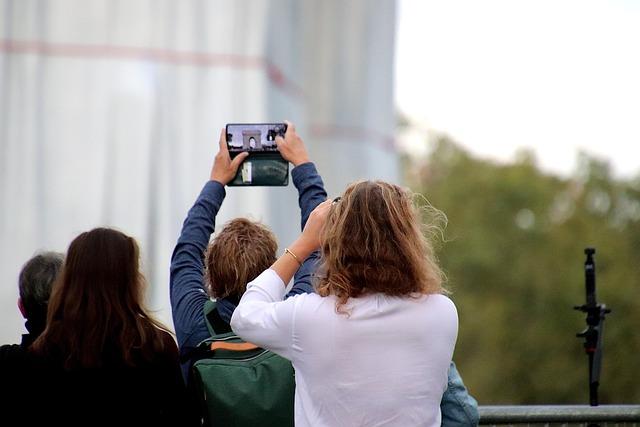
Plans for an enormous ceremonial arch honoring Donald Trump have moved markedly closer to realization after a pivotal federal body signaled its readiness to back the proposal. Long derided by opponents as a “triumphal arch,” the monument has become a lightning rod in national debates over the use of public space, the politicization of memorials, and how Trump’s turbulent presidency should be remembered. Following an intensely scrutinized meeting, regulators suggested that several of the project’s biggest obstacles could soon be resolved, potentially clearing the way for one of the most divisive commemorative ventures in recent U.S. history.
Regulators Edge Toward Green Light for Trump’s Triumphal Arch
A federal commission that oversees major monuments in the nation’s capital has sharply shifted its posture, moving from arm’s-length skepticism to cautious acceptance of the Trump arch proposal. After years of questioning the project’s massive scale, overt symbolism, and central location along a ceremonial axis, several commissioners now say recent design revisions address many of their initial objections.
Plans have reportedly been reworked to narrow the arch’s footprint, reconfigure the plaza beneath it, and soften some of the most contentious textual elements. Internal staff presentations highlighted anticipated boosts in tourism, private sponsorship, and associated commercial activity—arguments that critics say increasingly overshadow long-standing traditions of symbolic restraint in federal spaces.
Sources familiar with the session say areas of emerging agreement include:
- Reduced site coverage so the arch competes less visually with established memorials.
- Security barriers folded into landscaping instead of visible barricades or fencing.
- Stricter lighting controls to protect the night-time character of nearby monuments.
- Expanded vetting of inscriptions under existing commemorative and ethics guidelines.
| Issue | Earlier Stance | Current Position |
|---|---|---|
| Visual Impact | “Overly dominant” | “Within acceptable range” |
| Political Message | “Potentially divisive” | “Manageable with context” |
| Funding Model | “Unclear obligations” | “Sufficient assurances” |
Scale, Skyline and Symbolism: Planners Confront the Monument’s Urban Footprint
Architects and city planners are now grappling with how the Trump triumphal arch would alter the capital’s skyline and civic character. Many warn that a towering structure of this kind could disrupt the carefully maintained balance of height and open space that defines the federal core, overshadowing existing memorials and recalibrating the city’s visual hierarchy in favor of a single political figure.
Key zoning principles—such as preserving human-scale streets, historic view corridors, and consistent building heights—are being weighed against a proposal that leans heavily on spectacle. Detractors argue that the arch’s grandiose, celebratory aesthetic would turn a public right-of-way into a permanent stage set for political identity, embedding partisan narratives into stone, steel, and illumination.
Supporters counter that major global capitals have long used monumental gates and arches—from Paris to Berlin to Mexico City—to mark national turning points. In their view, the Trump arch would place Washington within a tradition of ceremonial entrances and large-scale symbolic thresholds, rather than break from it.
Behind the scenes, expert panels are dissecting the design’s visual and narrative components—its proposed sculptures, text, and light displays. Scholars worry that if the imagery leans heavily on partisan iconography, the arch will function less as a unifying civic landmark and more as a rallying point for ongoing political conflict.
Among the technical and cultural issues under active review:
- Visual impact on historic vistas, protected axes, and adjacent neighborhoods.
- Mobility and crowd flow at what could become a prominent destination for rallies and tourism.
- Symbolic content encoded in statuary, plaques, and programmed lighting.
- Precedent for size and tone that might influence future politically driven monuments.
| Issue | Planning Concern |
|---|---|
| Height | Risks disturbing skyline equilibrium and landmark primacy |
| Location | Interrupts long-established axial and ceremonial views |
| Symbolism | Reads as political branding rather than shared civic memory |
| Usage | Complicates event security and may aggravate congestion |
Ethical Fault Lines: Self-Commemoration and Politicized Civic Landscapes
Ethics specialists and democracy advocates are sounding alarms about what they see as a profound shift in how American leaders are memorialized. They argue that constructing a prominent monument to a president who remains an active, polarizing player in national politics blurs the line between honoring history and amplifying an ongoing political campaign.
Public spaces—financed by taxpayers and meant to serve citizens across the spectrum—have traditionally been shielded from overt personal aggrandizement by sitting or recently departed leaders. Existing federal recommendations and informal democratic norms are designed to ensure that monuments emerge after time has passed, allowing historians, archivists, and the public to reflect and debate before freezing narratives in stone.
Ethics experts warn that building a Trump triumphal arch now, while his influence over party structures, fundraising machinery, and media ecosystems remains strong, risks transforming federal land into a branded political asset. They note that in recent years watchdog organizations have documented rising public concern about “personality politics” and the erosion of perceived neutrality in government institutions.
Opponents argue that approving this project could normalize presidential self-commemoration—encouraging future administrations to pursue similarly grand structures in plazas, transport hubs, and federal campuses. Over time, this could tilt civic landscapes away from shared stories of sacrifice or democratic achievement and toward competing cults of leadership.
Frequently cited ethical dangers include:
- Incumbency advantage: Turning a government-backed landmark into a de facto megaphone for a personal political brand.
- Premature mythmaking: Locking in one interpretation of a presidency before independent historical assessments are complete.
- Civic fragmentation: Risking that public spaces become partisan markers, avoided or contested by segments of the population.
- Global image and precedent: Moving U.S. memorial practices closer to those of states where leader worship dominates public iconography.
| Ethical Concern | Potential Impact |
|---|---|
| Personalisation of State Symbols | Weakens confidence that national institutions serve all citizens equally |
| Use of Public Funds | Invites scrutiny over whether taxpayer resources are subsidizing partisan visibility |
| Long-Term Precedent | Constrains the ability of future commissions to reject similar self-focused projects |
Calls for New Rules: Updating Monument Design and Public Input Standards
For many planners and civic groups, the Trump triumphal arch saga has exposed a deeper structural problem: the lack of clear, enforceable standards for evaluating politically sensitive monuments in the capital. While various advisory documents exist, there is no single, binding code that spells out how questions of symbolism, skyline impact, accessibility, climate resilience, and long-term maintenance should be assessed in tandem.
Urban design organizations are urging city and federal authorities to adopt a comprehensive monument design framework. Under such a system, sponsors of new commemorative projects would have to demonstrate—before formal hearings—that their proposals align with established principles on historical accuracy, architectural coherence, and environmental performance. With climate adaptation and sustainability now central to urban policy debates, many argue that energy use, materials sourcing, and heat-island effects should be weighed alongside aesthetics and narrative intent.
At the neighborhood level, community coalitions are calling for stronger, more transparent public consultation mechanisms. Residents say they received limited information about the arch’s evolving design and had few meaningful avenues to influence it. These groups want legally mandated steps to ensure that the public is not merely informed but genuinely heard.
Among the measures proposed for future monument reviews:
- Early outreach sessions before designs harden, allowing communities to raise red flags and articulate priorities.
- Public exhibitions and online portals that present drawings, models, and impact assessments with clearly advertised comment deadlines.
- Independent design juries whose deliberations are live-streamed or recorded, creating an accessible record of reasoning.
- Published response summaries explaining how public input shaped revisions—or why certain suggestions were not adopted.
| Key Demand | Proposed Standard |
|---|---|
| Design clarity | Adoption of a written monument design code with binding criteria |
| Public voice | Minimum 60-day public consultation period for major commemorative projects |
| Transparency | Guaranteed public access to full planning reports and expert reviews |
What Comes Next for Trump’s Triumphal Arch?
As the project advances through its remaining stages of review, both supporters and opponents are bracing for a contentious endgame. The latest regulatory meeting represents a major procedural milestone, but it does not guarantee that the arch will ultimately dominate the capital’s skyline.
Court challenges, congressional oversight efforts, and sustained public pressure could still reshape or even derail the proposal. At the same time, the current momentum sits with the former president’s advocates, who frame the arch as a rightful acknowledgment of a disruptive and consequential administration.
Beyond the immediate dispute, the Trump triumphal arch debate is forcing the country to confront a broader question: how a polarized democracy decides who—and what—deserves permanent, monumental recognition in its most visible public spaces. The outcome will influence not only one structure, but also the unwritten rules that govern how America constructs its memory of power, conflict, and leadership.


