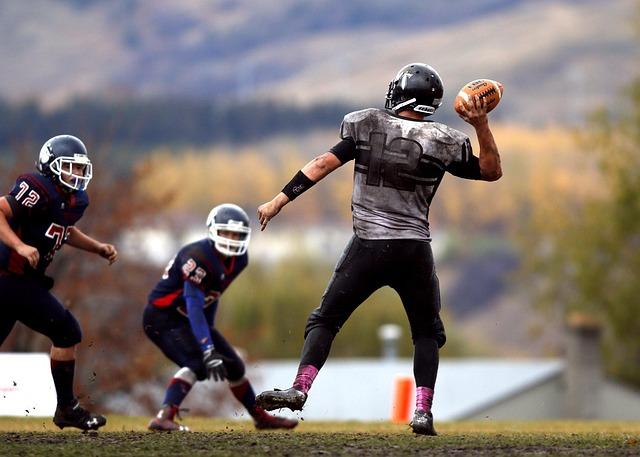
In a state where fall Fridays revolve around packed bleachers and trophy cases tell decades of stories, certain Washington high schools have emerged as hubs for elite student-athletes. Drawing on win–loss records, college recruiting footprints, facilities, and overall athletic culture, USA Today has highlighted 25 campuses that consistently set the pace. These schools range from big-district football juggernauts to small‑town multi-sport dynasties, but they share a common trait: athletics are treated as a serious pathway, not just an extracurricular.
More than just collecting state titles, these programs build environments where athletes can train, compete, and earn a realistic shot at playing in college. The rankings look past final scores to examine how each school structures its programs, supports its students, and cultivates a culture of excellence in Washington’s increasingly competitive high school sports scene.
High-performance ecosystems: how elite training and coaching shape Washington’s top high school athletes
Across Washington, the schools that show up near the top of athletic rankings have moved beyond traditional after‑school practice. They’re investing in full-scale performance systems that resemble small college athletic departments. Weight rooms now include force plates, velocity trackers, and customized lifting plans. Training calendars are mapped out months in advance, integrating strength cycles, skill sessions, and recovery days so athletes peak at the right time.
Many of these programs weave in cutting‑edge sports science, nutrition guidance, and mental performance coaching, turning gym floors and practice fields into controlled labs for player development. It’s common for top programs to partner with nearby universities or professional organizations to give athletes access to film rooms, analytics workshops, and guest coaches who understand the demands of NCAA and professional play.
Key components of these modern training environments include:
- Year-round development: Coordinated off-season programs so multi-sport athletes build strength and skills without burning out.
- Specialized position coaching: Targeted work for pitchers, cornerbacks, distance runners, goalkeepers, liberos, and other position-specific roles.
- Data-driven decisions: Wearables, GPS units, and detailed video breakdowns that help coaches manage workloads and fine-tune game plans.
- Holistic support: Academic check-ins and schedule planning that keep training aligned with classroom expectations.
| Role | Key Focus | Impact on Athletes |
|---|---|---|
| Head Coach | Program vision & competitive strategy | Defines standards, identity, and expectations |
| Strength Coach | Power, durability & load management | Cuts injury risk and improves speed, explosiveness |
| Skills Specialist | Sport- and position-specific technique | Elevates execution in high-pressure moments |
| Performance Staff | Recovery, mindset & nutrition | Helps athletes sustain peak performance over long seasons |
The staffs behind these programs often blend long-time high school coaches with former college athletes, certified trainers, and specialists in sports psychology or biomechanics. They rely on shared digital playbooks, collaborative game-planning meetings, and cross-sport clinics to keep systems aligned.
Athletes in these environments are judged on more than just stats. Progress is tracked through measurable gains in sprint times, vertical jump, durability, and decision-making under pressure. This approach has turned Washington’s top high schools into launchpads for regional dominance and consistent collegiate recruiting attention.
Balancing books and scoreboards: academic rigor and support systems for student-athletes
On Washington’s most competitive campuses, the message is clear: academic transcripts matter as much as highlight reels. Administrators, counselors, and coaches collaborate to design school days that support both GPAs and game preparation—especially as NCAA eligibility rules and college admissions standards continue to tighten.
Many of the high schools featured in the top 25 now build schedules that blend academics and athletics with precision. You’ll see early film review sessions, mid‑day lifting blocks that avoid core classes, rotating study halls, and proactive teacher–coach communication. Guidance teams track eligibility, attendance, and travel days in real time, flagging potential issues before they become missed credits or ineligible seasons.
Behind the scenes, academic safety nets are becoming as essential as film study and conditioning. Common supports include:
- Mandatory study tables for varsity teams during playoff runs or tournament-heavy stretches.
- On-the-road tutoring, Wi‑Fi hotspots, and Chromebook checkouts so travel days don’t translate into missed assignments.
- Academic mentors who coordinate between teachers, coaches, and families to keep student-athletes on track.
- Flexible test and project make-up policies built around competition schedules and travel demands.
These systems are especially important as more athletes pursue AP and honors classes alongside their sports. According to recent national surveys, over 60% of high-level high school athletes are enrolled in at least one advanced course, making organized support crucial to preventing burnout or eligibility issues.
| School Feature | Academic Impact | Athletic Benefit |
|---|---|---|
| Morning film + afternoon science labs | Protects core instructional time | Maintains structured pre-game preparation |
| Dedicated study halls | Boosts assignment completion and grades | Supports ongoing eligibility and scholarship prospects |
| Travel-day learning plans | Limits lost instructional hours | Makes regional and interstate schedules more realistic |
In Washington’s strongest programs, “student-athlete” is treated literally: advanced coursework, SAT/ACT prep, and college counseling are integrated into the same planning conversations that cover off‑season training and tournament travel.
Community culture, facilities, and resources: the competitive edge behind Washington’s best programs
What truly separates the state’s top 25 athletic programs is the way the campus, community, and local partners work together. These high schools function as regional hubs, with facilities and support networks that reach far beyond a single varsity team or season.
Many of Washington’s leading programs have secured partnerships with cities, park districts, health systems, and private clubs. These collaborations open doors to indoor training centers, sports medicine clinics, and specialized position coaching that closely resemble college setups. With booster clubs and community grants backing the vision, schools upgrade to all‑weather turf fields, multi-camera video systems, and performance labs where athletes can analyze film, test movement patterns, and track long-term growth.
The impact is clear: athletes at these schools are better prepared for league play, postseason runs, and exposure events like regional showcases and national tournaments—opportunities that can be harder to access at under-resourced campuses.
Equally important are the off-field structures that sustain a positive sports culture. Parent-led boosters and active alumni groups:
- Fund travel to high-profile tournaments and out-of-state showcases.
- Organize leadership seminars, nutrition talks, and mental health workshops.
- Connect current players with alumni competing at NCAA Division I, II, III, and NAIA levels.
- Help families navigate the recruiting process and financial aid conversations.
Local businesses frequently contribute through sponsorships, team meals, gear donations, and internship opportunities, reinforcing the connection between athletics and the broader community. Many of these high-performing campuses feature:
- Open-access weight rooms before and after school, staffed by certified strength coaches.
- Film and analytics labs shared by multiple teams for scouting opponents and reviewing performances.
- Community youth leagues and clinics on high school fields, building future pipelines from elementary and middle schools.
- Academic support centers with extended hours for in-season athletes juggling heavy travel loads.
- Multi-sport summer camps that unite high school coaches, alumni, and club organizations.
| Resource | Typical Community Partner | Competitive Impact |
|---|---|---|
| Indoor training dome | City parks or recreation department | Enables year-round practice regardless of weather |
| Performance lab | Hospital or regional health system | Improves injury prevention and shortens recovery windows |
| Youth feeder leagues | Local nonprofit sports organizations | Builds fundamentals and school loyalty before high school |
| Scholarship fund | School or alumni foundation | Expands access for athletes from lower-income families |
This ecosystem approach explains why some Washington high schools consistently appear in late playoff rounds across multiple sports: the foundation for success starts years before athletes ever step into a varsity locker room.
Making results work for you: how recruits, families, and coaches can use these rankings
For families and athletes, these rankings are a starting point—not a final verdict. They offer a snapshot of where resources, tradition, and opportunity are clustered, but the most valuable insights come from examining why each school landed where it did.
Parents and recruits can use the rankings to compare key indicators such as multi-sport participation, college placement rates, and access to academic support. Instead of focusing only on brand-name programs, families can identify campuses where an athlete’s goals—academic, athletic, and social—align with the school’s strengths.
Important questions to ask include:
- Does the school culture genuinely support student-athletes, or just its highest-profile sport?
- Are there AP, honors, or dual-credit tracks that fit NCAA eligibility requirements and long-term college plans?
- How does the school handle conflicts between high-level travel schedules and academic responsibilities?
Club coaches and high school staff are also using this information to shape honest conversations with families. Rankings and data can help:
- Identify schools where similar athletes have thrived and moved on to college programs.
- Benchmark a team’s resources and competitive level against regional and state leaders.
- Plan smarter schedules, showcase events, and campus visits that match an athlete’s realistic trajectory.
Key factors to consider when reviewing any top 25 list include:
- Program stability – How long coaching staffs have been in place, and whether there’s a clear off-season development plan.
- Academic infrastructure – Availability of tutoring, organized study halls, and counselors familiar with NCAA and NAIA requirements.
- College pipelines – The types of conferences and divisions (D1, D2, D3, NAIA, junior college) where graduates are landing.
- Support services – Access to certified athletic trainers, strength and conditioning staff, and sports medicine resources.
| Factor | Why It Matters | What Families Should Ask |
|---|---|---|
| Academic Fit | Protects eligibility and opens doors beyond sports | How many core and advanced courses align with NCAA standards and my student’s interests? |
| Competitive Level | Shapes development pace and visibility to college recruiters | Is this a realistic level where my athlete can earn playing time, not just a roster spot? |
| Resources | Influences safety, performance, and long-term health | Does the school have certified training, athletic trainers, and access to sports medicine? |
| College Outcomes | Offers a track record of what’s actually possible | Where have recent graduates committed, and in which sports and divisions? |
When families layer this information with campus visits, conversations with current players, and a realistic assessment of goals, these rankings become a powerful tool for smarter athletic and academic decisions.
To Wrap It Up
As Washington’s prep sports landscape evolves—with NIL discussions, transfer rules, and expanded club options reshaping the path to college—the definition of a successful student-athlete continues to broaden. The schools highlighted in this top 25 list show that rigorous academics, strong community backing, and high-level athletic opportunity don’t have to compete with one another; they can reinforce the same mission.
From long-established powerhouses with walls of championship banners to newer contenders building modern facilities and fresh traditions, these campuses represent the depth of athletic opportunity across the state. They offer more than elite competition: they provide advanced coaching, state-of-the-art training environments, and academic structures designed to help young athletes grow on every front.
Rankings will change as new talent arrives, coaches move, and communities invest in emerging programs. For now, these Washington high schools stand at the forefront of the state’s athletic scene, raising the bar for what it means to support student-athletes—and setting a standard that other programs across the region are working hard to match.