



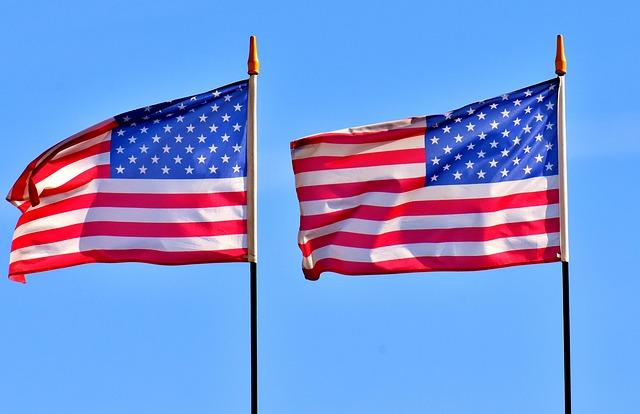
For more than a century, marching into an Olympic arena wrapped in red, white and blue has been sold as the ultimate pinnacle of U.S. sporting success — the moment when discipline, talent and patriotism fuse under the brightest possible lights. Yet for a growing share of American Olympians, the story is far more complicated. In a country divided over race, gender, politics and what it means to be “American,” the flag stitched to their uniforms can feel as heavy as any gold medal.
These athletes are not only battling world-class rivals; they are also negotiating the meaning of the nation they’re asked to symbolize. Their experiences mirror a United States still arguing over its own identity — and force an uncomfortable question: What does it really mean to represent America when Americans can’t agree on what America represents?
Patriotism, Protest and the Reality for Athletes of Color
For many Black and brown Olympians, entering a stadium behind the U.S. flag evokes both genuine pride and a sharp awareness of inequality at home. They are expected to project unity and national harmony while knowing that, beyond the Olympic Village, their communities often confront overpolicing, underfunded schools and limited access to elite training facilities.
At the same time, they navigate everyday bias: extra “random” security checks at airports, subtle stereotyping from commentators, and social media storms that treat any misstep as proof of disloyalty. Against this backdrop, even a simple gesture — raising a fist, taking a knee, or posting a pointed message online — can become a global flashpoint with career-defining consequences.
In the wake of the 2020 racial justice protests and continued debates about voting rights and policing, more U.S. athletes of color have started weighing how to use their Olympic visibility. Rather than seeing the Games as a politics-free zone, they view them as an unparalleled megaphone to highlight issues that rarely make prime-time TV.
Yet the costs are real. Sponsors, national federations, and international rules still set firm boundaries on “approved” behavior. Many athletes assemble their own quiet strategies, balancing message and risk with almost the same precision they use to plan a race.
The New Playbook: Medals, Messaging and Measured Risks
Conversations about protest rarely unfold in public. They happen in late-night calls with parents, confidential meetings with agents and hushed debates in training camps. From those discussions, a new kind of playbook is emerging — one that combines athletic excellence with carefully calibrated advocacy.
Key considerations in this decision-making include:
- Timing: Choosing a moment that ensures visibility — opening ceremonies, medal ceremonies, or viral post-race clips — while avoiding the harshest penalties.
- Platform: Deciding whether to speak out via a subtle in-competition gesture, a mixed-zone interview, a long-form podcast, or a tightly edited Instagram Reel.
- Protection: Assessing what real backing exists from athlete unions, sponsors, national governing bodies, or athlete commissions if a protest triggers backlash.
| Choice | Risk | Impact |
|---|---|---|
| Silent gesture (e.g., raised hand, symbolic clothing) | Moderate | High visibility, viral potential |
| Post-competition comments to media | Low | Slow-building influence, policy conversations |
| Coordinated campaign with other athletes | High | Pressure on institutions, potential structural change |
The Hidden Weight of Being a Symbol on the Global Stage
Competing for Team USA is often portrayed as a singular, personal dream. In reality, many American Olympians step into their events already cast as stand-ins for broader social battles. A sprinter might be asked to explain immigration policy. A gymnast can be pushed to comment on gender identity. A swimmer may find their medal interpreted as a verdict on a refugee crisis or foreign conflict.
Their races and routines become shorthand for debates that stretch far beyond sport — debates about who belongs, who is fully “American” and whose pain counts in public.
Instead of questions about race splits or technical difficulty, post-event interviews often veer into emotionally loaded territory: “Do you feel fully accepted here?” “How do you reconcile competing for a country that…?” Under those spotlights, athletes have to condense deeply personal histories — stories of mixed heritage, migration, discrimination or adoption — into soundbites that fit a 30-second clip.
Performing Unity While Carrying Private Tensions
Beneath the polished medal-stand smiles, the interior lives of Olympians are more complicated than highlight reels suggest. Many feel a constant push to embody unity and optimism even when their lived experience tells a different story — whether that’s a hate incident in their hometown, an anti-LGBTQ+ law passed in their state, or social unrest that has shaped their families’ lives.
To cope with these conflicting demands, athletes often lean on quiet, personal strategies:
- Grounding routines before competition that include calls or video chats with relatives abroad, elders, or community leaders who remind them why they started.
- Subtle symbols of identity — braided hair in the colors of a heritage flag, discreet jewelry with cultural or religious significance, or nail art featuring meaningful dates or initials.
- Highly managed media plans aimed at steering interviews back to performance while avoiding traps that might distort their views into polarizing headlines.
These invisible burdens have tangible consequences. Sports psychologists and athlete unions report increased demand for support around anxiety, identity conflict and online harassment, particularly in Olympic years when scrutiny spikes.
| Pressure Point | Impact on Athletes |
|---|---|
| Intense public and media scrutiny | Heightened anxiety, sleep disruption, performance dips |
| Polarized social media debates | Need for cautious, curated posts; fear of misinterpretation |
| Being treated as political symbols | Sensation of being “on trial” for national policies they don’t control |
How Federations and Sponsors Can Stand Behind Complex Identities
National federations, Olympic committees and corporate sponsors increasingly work with athletes whose lives cut across borders, cultures and contested histories. Dual citizens, children of immigrants, Indigenous competitors and refugees now make up a visible share of Olympic teams. According to the IOC, the Refugee Olympic Team alone has grown from 10 athletes in 2016 to 36 selected for Paris 2024, underscoring how global displacement and layered identities are reshaping elite sport.
Clinging to a one-dimensional, flag-first narrative in this context is no longer just tone-deaf — it’s a reputational risk. Instead, institutions have an opportunity to embrace a more nuanced version of patriotism, one that leaves room for pride and criticism to coexist.
Building Structures That Don’t Punish Nuance
Sports bodies can start by recognizing that athletes’ concerns are not distractions from their jobs; they are part of the reality of representing a country on a contested global stage. Concrete steps include:
- Clear, public policies on political expression that spell out what is allowed, what crosses the line and how decisions will be reviewed — replacing vague, ad hoc punishments with predictable standards.
- Culturally competent staff — from team psychologists to media officers — trained to understand diaspora dynamics, racial justice debates and the emotional toll of being “the first” or “the only” in a discipline.
- Flexible branding guidelines that permit modest personal symbols (e.g., headscarves, heritage colors, or family names) as long as they don’t promote hate or incitement.
- Confidential counseling for athletes wrestling with ethical dilemmas, such as competing in host countries with poor human-rights records or responding to crises in their regions of origin.
Some federations have begun experimenting with low-profile reforms: mixed-nationality training groups that emphasize shared experiences over national rivalries, and optional media sessions where athletes can choose not to answer questions framed around “patriotism tests.”
| Stakeholder | Key Action | Intended Impact |
|---|---|---|
| National Federations | Publish transparent guidelines on political expression and symbolic gestures | Lower uncertainty, reduce inconsistent punitive decisions |
| Team Staff & Support | Invest in cultural literacy and dedicated athlete-welfare roles | Better day-to-day support for conflicted competitors |
| Athlete Commissions | Provide legal advice and mental-health resources | Help athletes navigate pressure coming from federations, fans and governments |
When Brands Move Beyond Flag-Waving Campaigns
Sponsors have historically relied on simple patriotic storylines: athlete, flag, anthem, product. But in a digital era where fans fact-check ads in real time, one-note nationalism can backfire. Campaigns that erase an athlete’s full story — their community ties, activist work, or cross-border roots — feel increasingly out of step.
Forward-thinking brands are pivoting toward “story-first” approaches, foregrounding the complexity of modern Olympians:
- Contract clauses that let athletes decline participation in overtly politicized imagery or slogans that clash with their values or lived experience.
- Joint public statements in which sponsors and federations affirm athletes’ rights to hold nuanced views, even when those views are not universally popular.
- Specialized media training to help athletes address questions about sanctions, wars, or diaspora communities without feeling cornered or exploited.
- Dedicated liaisons who coordinate between national committees, brand teams and athlete representatives to prevent athletes from being placed in contradictory roles.
Done well, this shift doesn’t dilute patriotism. Instead, it humanizes it — showing fans that loving a country can include pushing it to live up to its stated ideals.
What the IOC Could Do to Protect Legitimate Political Expression
The International Olympic Committee (IOC) has traditionally framed its mission around neutrality, even as the Games themselves have routinely been shaped by boycotts, protests and geopolitical tension. Rather than trying to scrub politics from the field of play — an increasingly impossible task — the IOC could prioritize protecting athletes’ core rights while drawing a clear line against hate and incitement.
From Policing Gestures to Protecting Rights
A more modern approach would center on clarity, consistency and due process:
- Refined rules that distinguish between peaceful dissent (such as statements against racism or in support of human rights) and expressions that target or threaten specific groups.
- Training for officials so that stewards, judges and administrators apply these standards consistently across sports and continents, rather than defaulting to personal or political biases.
- Designated expression windows — for example, in mixed zones, press conferences, or on personal social media — where athletes know they can speak on public issues without risking disproportionate punishment.
- Independent review panels combining athletes, human-rights experts and ethicists to assess contentious cases and recommend proportionate responses instead of headline-driven sanctions.
Transparency is critical. Publishing anonymized case summaries and reasoning behind decisions would help counter perceptions that star athletes are quietly protected while lesser-known competitors are made into cautionary tales.
Embedding Human Rights Into the Olympic Framework
In recent cycles, athlete advocates and human-rights groups have pushed for the Olympics to reflect global norms more explicitly. That pressure has helped move the IOC toward adopting parts of the UN Guiding Principles on Business and Human Rights, but significant gaps remain.
Several concrete demands continue to surface from athlete groups:
- Protected zones inside the Olympic Village where athletes can engage in quiet protest, dialogue circles or educational events without cameras or media intrusion.
- Clearly defined appeal mechanisms so athletes facing discipline over expression know where to turn and how their cases will be heard.
- Confidential support services — legal, psychological and security-related — for athletes who fear retaliation from their own governments once they return home.
- Regular, formal consultation with elected athlete commissions when any update to protest rules or disciplinary procedures is being considered.
Embedding this approach into official documents would make it harder for host cities or national authorities to sidestep basic protections. Host-city contracts and athlete agreements, for example, could include explicit wording on non-retaliation, freedom of expression within agreed limits, and safeguards for whistleblowers.
| Priority | Proposed Action | Impact on Athletes |
|---|---|---|
| High | Clarify and publicize protest and expression rules | Reduced fear of arbitrary sanctions; clearer choices |
| High | Create an independent review body for expression-related cases | More trust in disciplinary outcomes and appeals |
| Medium | Designate protected areas for peaceful expression | Visible yet constructive forms of dissent |
| Medium | Include robust human-rights clauses in host and athlete contracts | Stronger baseline protections across different host nations |
Future Outlook: Paris and Beyond
As the Paris Games approach, the collision of themes on display will be impossible to miss: patriotism and protest, sacrifice and surveillance, pride and unresolved pain. Some American Olympians will step onto the track, mat or pool deck feeling nothing but gratitude at wearing the red, white and blue. Others will do the same with a knot in their stomachs, competing for a country that has not always protected them or their communities.
Their journeys point to a question that won’t be settled by world records or medal tables: What does it mean to carry a flag that doesn’t fully carry you in return?
On the Olympic stage, that tension will play out in countless ways — a brief pause during an anthem, a line added to a post-race interview, a quiet symbol etched into a shoe or earring. The Games cannot resolve these contradictions. But they will make them visible, forcing fans, institutions and nations to look more closely at the people behind the podiums, and to consider not just how they compete, but why and for whom they choose to step onto the start line at all.