

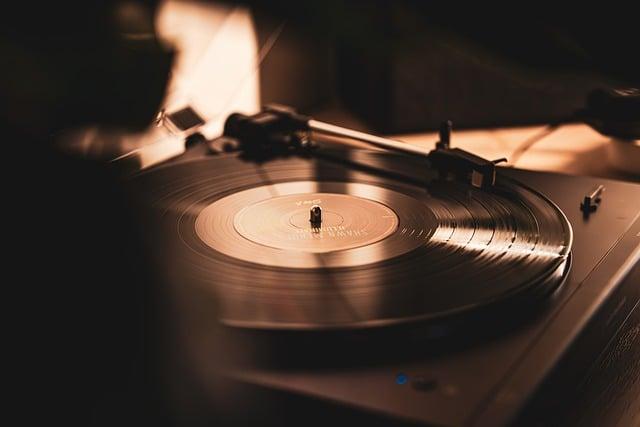
Nintendo is leaning further into the music world, and it’s using one of its most beloved franchises as the gateway. By launching a deluxe vinyl edition of “The Legend of Zelda” soundtrack, the company is testing the pull of nostalgia and collector culture in a format more often associated with hi-fi purists than gamers. This push highlights how game publishers are increasingly treating soundtracks as standalone cultural artifacts—works to be owned, displayed, and revisited—rather than just sonic backdrops to boss fights and cutscenes. As Nintendo embraces vinyl, it taps into a wider shift where gaming, music and merchandising overlap, raising the question of how far the company intends to go into the music business.
Zelda on wax: why Nintendo is betting on vinyl and collector culture
Nintendo is reimagining its legendary fantasy universe as a physical listening experience, carefully selecting music from Hyrule and pressing it onto premium vinyl aimed at listeners who care as much about the format as the soundtrack itself. Rather than treating these scores as incidental game assets, Nintendo is packaging them as art objects—complete with elaborate jackets, bespoke cover illustrations, and limited pressings that feel closer to gallery pieces than typical merchandise.
In doing so, the company is stepping into the same lane as boutique labels and game publishers that have turned scores into collector’s items. It’s also recognizing that “The Legend of Zelda” and other flagship IPs are not just games; they are audio brands whose themes have become instantly recognizable pop culture signals. In an era when vinyl sales have climbed for 17 straight years in markets like the U.S., and LPs now outsell CDs in many territories, that recognition is strategic, not sentimental.
Independent retailers and specialty online shops report strong preorders and fast sell-through on early Zelda vinyl runs. Fans are less interested in “owning the soundtrack in another format” and more interested in acquiring a rare, tangible fragment of the worlds they grew up exploring. The most important hooks behind this push include:
- Premium pressings on heavyweight vinyl engineered for quieter surfaces and richer playback.
- Collector-driven packaging featuring exclusive art, archival photos, and newly written liner notes.
- Intentionally limited runs that stoke scarcity, drive resale value, and reward early adopters.
- Cross-promotion tied to new game launches, anniversaries, and franchise milestones.
| Edition | Vinyl Color | Target Buyer |
|---|---|---|
| Standard OST | Black | New fans discovering the series |
| Collector’s Run | Emerald | Long-time Zelda loyalists |
| Store Exclusive | Gold swirl | Vinyl specialists and boutique shops |
From guarded catalog to global presence: Nintendo’s shifting music strategy
Pressing Zelda soundtracks onto vinyl is more than a nostalgic nod—it signals a recalibration in how Nintendo views its music library. Instead of treating its compositions as transient in-game assets, the company is beginning to frame them as long-term intellectual property that can generate value far beyond each release window.
Historically, Nintendo was known for vigorously pursuing unauthorized uploads of its music across platforms like YouTube. Now, without abandoning IP protection, it appears to be building a more holistic pipeline that spans special-edition physical releases, digital offerings, and potentially a broader footprint on major streaming services. This shift reflects:
- A fan base that has grown older and more affluent, willing to pay premium prices for high-quality physical media.
- Rising demand for game OSTs in formats that appeal to audiophiles and collectors.
- A corporate awareness that nostalgia—handled carefully—can be monetized repeatedly without exhausting fans.
Industry watchers expect Nintendo’s future moves to carefully combine fan-centric gestures with strict control over rights and monetization. Internally, the company is likely weighing questions such as: How exclusive should these releases be? How often should they appear? When do limited drops make sense versus wide streaming access?
Emerging elements of this strategy include:
- High-end physical editions for cornerstone franchises like Mario, The Legend of Zelda, and Animal Crossing.
- Selective streaming rollouts aligned with anniversaries, expansions, and new game launches.
- Cross-media integrations with films, series, and live concerts to lengthen the life cycle of key soundtracks.
- Disciplined rights management that keeps unofficial uploads from eclipsing official offerings in quality or reach.
| Era | Focus | Key Asset |
|---|---|---|
| Past | Protection | IP enforcement |
| Present | Collector appeal | Vinyl & box sets |
| Future | Platform reach | Curated streaming |
Licensing, label partnerships and a new revenue playbook
By opening its catalog to carefully curated soundtracks and deluxe vinyl editions, Nintendo is sketching out a path to steadier, diversified music income built on licensing rather than solely on one-time game purchases. Strategic alliances with labels that specialize in physical records, digital OST distribution, and playlist curation could help turn dormant themes and background tracks into active, recurring revenue sources.
In such a setup, composers and arrangers move closer to the center of the economic model. Transparent royalty structures and well-defined rights make it easier to share in the upside of a soundtrack’s ongoing success—bringing game audio economics closer to those long established for film and television scores.
Analysts see several growth tracks that could scale quickly if Nintendo and comparable publishers fully treat game music as an independent business:
- Limited-edition vinyl runs that routinely sell out during preorders, justifying higher price points and deluxe packaging.
- Streaming-focused label deals anchored in curated game OST playlists across major platforms, from Spotify to Apple Music.
- Bundled licensing packages that group iconic themes for use in films, streaming series, and advertising campaigns.
- Co-branded editions where labels oversee pressing, logistics and retail placement, while publishers retain strict IP oversight.
| Revenue Source | Nintendo | Composers | Labels |
|---|---|---|---|
| Vinyl Editions | Premium margins per unit | Per-unit mechanical royalties | Manufacturing and distribution fees |
| Streaming OSTs | Ongoing catalog monetization | Continuing performance and royalty income | Leverage in playlisting and algorithmic discovery |
| Sync Licensing | Broader brand exposure across media | High-value sync payments and residuals | Negotiation and brokerage commissions |
Beyond limited editions: building a durable Nintendo music ecosystem
Nintendo now stands at a crossroads: will vinyl soundtracks remain scarce collector’s trophies, or will they be the first step toward a sustained music ecosystem that treats game scores as living assets?
Analysts argue that the next logical move is to establish a dedicated music imprint or internal label charged with coordinating every aspect of soundtrack life—physical runs, worldwide digital releases, streaming strategy, and in-store visibility. Instead of sporadic surprise drops, a clear, public release calendar would help fans, retailers and composers anticipate launches and plan budgets.
Tiered product strategies could accommodate different segments of the audience:
- Day-one soundtrack releases to coincide with major game launches, available in both digital and, when appropriate, physical formats.
- Curated streaming playlists assembled by composers, developers and even notable fans, spotlighting deep cuts as well as headline themes.
- Regional collaborations with indie record stores, conventions and pop-up events to create local excitement around key soundtracks.
- Robust royalty frameworks that clearly reward composers, arrangers and session musicians, and that are visible enough to build industry goodwill.
| Strategy | Audience Benefit | Nintendo Advantage |
|---|---|---|
| Subscription music hub | On-demand access to legacy and new soundtracks | Recurring revenue and stronger ecosystem lock-in |
| Live concert series | In-person events and global tours celebrating game music | Premium ticket revenue and elevated brand prestige |
| Creator-safe licenses | Clear rules for streamers, remixers and cover artists | Organic exposure and viral promotion on social platforms |
A truly sustainable ecosystem would also depend on licensing frameworks that invite community engagement instead of pushing it into legal gray areas. Public, standardized licenses for streaming, covers and remixes could transform long-standing tensions with creators into formal collaboration. Paired with data-driven insight into which tracks trend on platforms such as YouTube, TikTok and Spotify, this would give Nintendo a powerful feedback loop.
Armed with that data, the company could invest in new arrangements, lo-fi reinterpretations, orchestral versions, and cross-franchise compilations that respond directly to fan listening habits. Over time, the focus would shift from one-off, ultra-limited vinyl drops that vanish in minutes to a deep, evolving audio library—one that becomes as central to Nintendo’s identity as its characters and worlds.
Wrapping Up
Whether Nintendo’s current foray into vinyl remains a niche experiment or grows into a multi-channel music strategy, it underscores a larger cultural shift: game soundtracks are no longer mere background loops. They are collectible artifacts, nostalgic touchstones, and valuable IP in their own right.
By leveraging “The Legend of Zelda” on vinyl, Nintendo is probing just how far its audience will follow it off-screen and onto the turntable. For now, each record functions as both a treasured keepsake and a live test of a new business frontier—a physical reminder that in an age of infinite streams, many fans still crave something tangible to drop a needle on.