


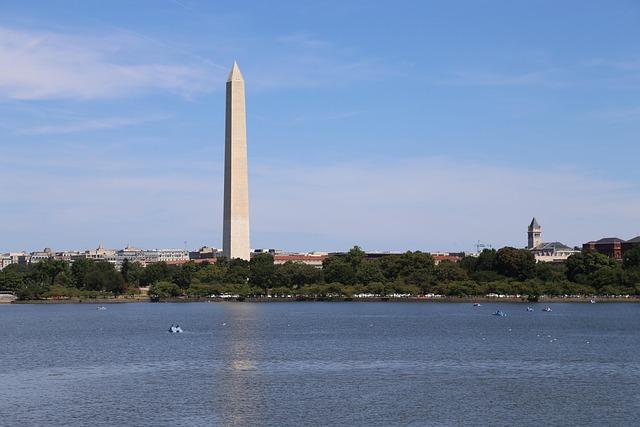
The Reflecting Pool in Washington DC, one of the capital’s most recognisable landmarks, is about to be drained again — this time under the glare of partisan accusation and public suspicion. The decision follows a series of recent incidents at the site and renewed claims by former President Donald Trump that “vandals” are responsible for ongoing disruptions surrounding his political appearances.
As officials move ahead with the closure, the Reflecting Pool has become more than a tourist backdrop: it is now a focal point in a national debate over security, public access, infrastructure neglect, and how symbolic public spaces are drawn into the country’s political battles.
Reflecting Pool Drainage Rekindles Security Debate After Trump Vandalism Allegations
Federal security teams are facing intensified questions after authorities confirmed that the Reflecting Pool will be drained, following Trump’s latest assertions that “vandals” have been orchestrating disturbances around his events.
The National Park Service (NPS) has publicly framed the move as necessary for “maintenance and water quality concerns.” However, law enforcement officials say the empty basin also gives specialists a rare chance to survey the hidden systems beneath the waterline — from submerged lighting and wiring to discreet cameras and access routes that could be exploited or damaged.
Behind the announcement lie duelling narratives. Trump allies point to what they describe as politically driven sabotage of a patriotic setting. Federal and park officials, by contrast, say that while they are investigating all possibilities, there is still no verified evidence of a coordinated campaign targeting the Reflecting Pool itself.
The episode is sharpening focus on how major federal landmarks are protected during heated political cycles, especially when they serve as stages for rallies, protests, and televised speeches. Planners are reevaluating how to keep the area open to the public while responding to modern threat assessments that now include everything from lone-wolf actors to disinformation‑driven flash mobs.
Among the measures reportedly under review are:
- Expanded perimeter monitoring around the Reflecting Pool during rallies and broadcast events
- Temporary walkway closures to allow security sweeps before and after large gatherings
- Tighter coordination between U.S. Park Police, Secret Service, and other federal protection units
| Measure | Purpose |
|---|---|
| Drain pool | Inspect for structural damage, devices, or hidden tampering |
| Camera audit | Identify and close surveillance blind spots |
| Access review | Reduce opportunities for unsupervised entry and misuse |
Security experts note that since 2020, protests and high‑profile events on the National Mall have prompted repeated reassessments of protective protocols, mirroring broader concerns about threats to civic spaces across the country.
Inside the National Park Service: Maintenance Pressures Collide With Political Blame
Behind the soundbites and political finger‑pointing is a federal agency struggling with an unglamorous reality: aging infrastructure, chronic underfunding, and a rising tide of visitors.
NPS officials say the Reflecting Pool has become a symbol of a much wider problem. While recent commentary has focused on Trump’s complaints about “vandals,” internal documents and maintenance logs tell a more mundane story — one of deteriorating systems, storm‑related damage, and a long backlog of repairs.
In 2023, the National Park Service reported that its nationwide maintenance backlog exceeded $22 billion, encompassing roads, monuments, plumbing, electrical systems, and iconic features like the Reflecting Pool. Staff describe a work environment where stop‑gap “emergency fixes” often replace comprehensive restoration, simply because long‑term funding is uncertain.
Key pressure points include:
- Deferred repairs on fountains, pools, and monuments that have accumulated over many years
- Flat or unpredictable budgets even as tourism to Washington DC rebounds toward pre‑pandemic levels
- Growing security requirements after several high‑visibility incidents on or near the National Mall
- Staffing shortages due to retirements and difficulties recruiting skilled maintenance workers
| Issue | Impact on Site |
|---|---|
| Aging water systems | Need for frequent draining, leak checks, and pump repairs |
| Security measures | Periodic restrictions on visitor movement and gathering areas |
| Funding delays | Slow or postponed restoration and modernization projects |
According to planners, the focus on “bad actors” risks eclipsing deeper structural vulnerabilities — issues that will not be resolved by more fencing or tougher rhetoric.
They point out that storm surges, heavy rainfall, and heat waves tied to climate change can stress filtration systems and stonework; contamination from wildlife and runoff can degrade water quality; and worn paving and foundations can create safety hazards long before visible damage appears.
Heritage advocates argue that the Reflecting Pool episode should push Congress to confront the national parks maintenance backlog head‑on. They are calling for stable, multi‑year funding streams to protect high‑profile monuments from sliding into a cycle of crisis management driven by headline‑grabbing incidents instead of planned investment.
Experts Call for Independent, Transparent Inquiry Into Vandalism Claims and Infrastructure Failures
Conservation professionals and civil engineers are now urging a transparent, independently supervised investigation into the events leading up to the decision to empty the Reflecting Pool.
They acknowledge that isolated acts of vandalism or mischief cannot be fully dismissed, especially in an era of polarised politics and social‑media‑fuelled stunts. However, many point out that persistent issues — leaks, discoloration, mechanical breakdowns — are equally consistent with aging infrastructure, deferred maintenance, and design limitations that date back decades.
Advocacy groups insist that the public deserves a clear, evidence‑based account separating any deliberate interference from structural decline or underfunded upkeep. They warn that rushing to criminal or political conclusions, without full documentation, risks turning a technical problem into a permanent partisan talking point.
Professional organisations have outlined a practical framework for such an inquiry:
- Publishing comprehensive maintenance logs and repair invoices from at least the past ten years
- Releasing sensor data on water levels, flow rates, pressure fluctuations, and pump performance
- Commissioning an external, peer‑reviewed structural audit carried out by independent engineers
- Preserving and sharing CCTV footage and access records with neutral forensic reviewers
| Key Demand | Reason Cited |
|---|---|
| Independent engineering report | Determine whether problems stem from systemic decay or intentional damage |
| Open public hearings | Reduce partisan spin and rebuild confidence in official findings |
| Timely publication of findings | Prevent rumors and speculation from dominating the narrative |
Specialists note that such transparency has precedent: similar investigations followed structural concerns at other major U.S. landmarks, including dams, bridges, and historic buildings, where public release of technical reports helped calm speculation and guide long‑term investment.
Public Communication Lags as Reflecting Pool Closure Feeds Partisan Storylines
As work crews and engineers prepare for the draining, one issue keeps resurfacing: the lack of clear, accessible communication with the public.
Visitors and DC residents have largely learned about the Reflecting Pool closure through brief press releases, short social media posts, or fragmented media coverage. In that vacuum, competing explanations have flourished — some insisting the move is a straightforward maintenance action, others portraying it as symbolic of broader social or political breakdown.
Civic groups and nonpartisan watchdogs say this is avoidable. They are pressing authorities to explain, in simple terms, why the pool is being emptied, what specific safety or infrastructure issues are in play, and roughly how long the disruption will last.
Their recommendations include:
- Plain‑language briefings on official websites, at visitor centers, and through local media
- Regularly scheduled updates instead of occasional, reactive statements
- Shared data releases coordinated between NPS, engineering contractors, and security agencies
- Fact sheets and FAQs directly addressing common rumors and viral claims
| Key Question | Public Wants To Know |
|---|---|
| Reason for closure | Is this about safety concerns, infrastructure damage, or political events? |
| Duration | Will the Reflecting Pool be closed for days, weeks, or longer? |
| Decision‑makers | Which agencies and officials approved the drainage, and on what basis? |
Media analysts caution that, without consistent briefings anchored in verifiable information, coverage of the Reflecting Pool will continue to be shaped by partisan clips, campaign talking points, and speculative commentary instead of technical reality.
Many are urging joint press events that bring together NPS representatives, independent engineers, and historians who can answer questions in real time, provide context on the Reflecting Pool’s design and history, and clarify what is known — and not yet known — about recent incidents.
They argue that a coordinated communication strategy, featuring publicly accessible repair and inspection logs, visual progress updates on restoration work, and even basic cross‑party agreements on core facts, would help blunt attempts to weaponize the closure for political gain.
In Conclusion
As crews set up pumps, barriers, and inspection equipment, the Reflecting Pool is once again entering a cycle of drainage, cleaning, and repair that has played out numerous times since its construction. This round, however, unfolds under a more intense spotlight, with Trump attributing recent problems to unnamed “vandals” and officials carefully resisting premature conclusions.
To date, investigators have not produced public evidence that substantiates claims of an organized sabotage effort, even as security assessments remain active. What is clear is that the Reflecting Pool sits at the intersection of several forces: aging infrastructure, funding constraints, heightened political tension, and a public hungry for trustworthy information.
In the coming weeks, the basin will be emptied, scrubbed, inspected, and refilled. Whether the latest disruption is remembered as a one‑off maintenance episode or another flashpoint in a long‑running political struggle will depend largely on what investigators uncover — and how openly they share it.
When the Reflecting Pool is restored to its familiar mirror‑like calm, it will resume its role as a backdrop to Washington’s contested public life, reflecting not only the monuments that surround it but also the country’s ongoing efforts to confront division, misinformation, and mistrust in its most visible civic spaces.