


As Washington, D.C., launches several days of Independence Day events, the nation’s capital is preparing for record turnouts, charged political undercurrents and one of its most expansive security deployments in recent memory. From the National Mall to neighborhood festivals, July Fourth in the city is unfolding under a multilayered safety plan that brings together federal, local and military partners. Visitors can expect extensive road closures, screening checkpoints and a visible armed presence as officials work to preserve long‑standing traditions while navigating a tense national atmosphere.
Security at the Forefront as Washington Celebrates Independence Day
With spectators staking out spots along the Potomac River and across the National Mall for fireworks and concerts, Washington’s July 4 security posture has been scaled up to match the size and complexity of the crowds. Federal agencies, the Metropolitan Police Department and transit authorities are operating a coordinated network that includes real-time surveillance, drone detection technology and expanded K‑9 units. The goal is to spot problems early—from suspicious packages to unauthorized drones in restricted airspace—and keep disruptions away from the main celebration areas.
Officials emphasize that there is no known, specific threat to the holiday, but they point to ongoing global conflicts, a contentious domestic political climate and a busy summer schedule of mass gatherings nationwide as reasons for this “layered” security strategy.
- Thousands of officers from overlapping jurisdictions, patrolling on foot, bikes and horseback
- Security checkpoints at primary access points to the National Mall and parade routes
- Temporary road closures surrounding iconic monuments and high-demand viewing lawns
- Random bag inspections at Metro stations, major bus hubs and event entrances
- Integrated command centers monitoring live video, weather patterns and crowd density
| Zone | Primary Focus | Restrictions |
|---|---|---|
| Mall & Monuments | High-visibility patrols, crowd reassurance | No large coolers, no glass containers, no drones |
| Metro & Transit Hubs | Crowd movement, bag checks | Random screenings, short delays at turnstiles |
| Waterfront Areas | Boat traffic oversight, shoreline safety | Enforced speed limits, restricted zones for private vessels |
City leaders say the robust security presence is intended not only to deter threats but also to calm concerns among residents and visitors. Medical teams are embedded alongside tactical units, and electronic displays across downtown circulate up-to-the-minute alerts, weather advisories and evacuation routes in case of severe storms or security issues. Authorities continue to urge the public to travel light, follow posted instructions and make use of anonymous tip lines—underscoring that community cooperation is a core part of safeguarding the capital on one of the country’s most symbolic days.
Transforming Washington’s Landmarks for Independence Day Security
In the days leading up to Independence Day, iconic Washington backdrops quietly transform into tightly managed security zones. The National Park Service, in coordination with federal protective agencies and D.C. officials, redraws the flow of people and vehicles around the National Mall, the Lincoln Memorial and the Washington Monument. Access points are designated and mapped in advance, creating a series of concentric security rings around major attractions.
Temporary fencing, magnetometers and mobile command centers appear before most visitors arrive, joined by elevated surveillance platforms and networks of cameras that tie into long‑standing security systems. Planners say this fortified perimeter is calibrated to be assertive enough to discourage wrongdoing without bringing holiday foot traffic to a standstill.
Beyond the monuments, the entire downtown grid is reconfigured to support crowd safety. Streets are selectively closed or converted into pedestrian corridors to funnel visitors into vetted routes and keep emergency lanes clear for first responders. Metro stations serving the Mall and nearby museums operate under heightened monitoring, and agencies release simplified transit maps to help riders navigate safely and avoid chokepoints.
Festivalgoers will notice the changes in small but consistent ways: more screening, more uniformed personnel, more signage and a sharper separation between public celebration areas and security staging zones.
- Bag screening at major access points to the Mall, memorials and concert sites
- Joint patrols involving federal officers, D.C. police and transit police
- Reworked traffic patterns that prioritize pedestrian safety corridors over through-traffic
- Real-time oversight from multiagency operations centers
| Location | Security Emphasis | Impact on Visitors |
|---|---|---|
| National Mall | Perimeter screening, crowd-density analytics | Slower access at entry lines, broader walking lanes |
| Arlington Memorial Bridge | Vehicle restrictions and screening | Detours for cars, expanded pedestrian-only sections |
| Smithsonian Metro Station | Platform surveillance, entry & exit metering | Staggered exiting, staff direction during surges |
Visitor Guide: Screening, Closures and Timing for Heading Downtown
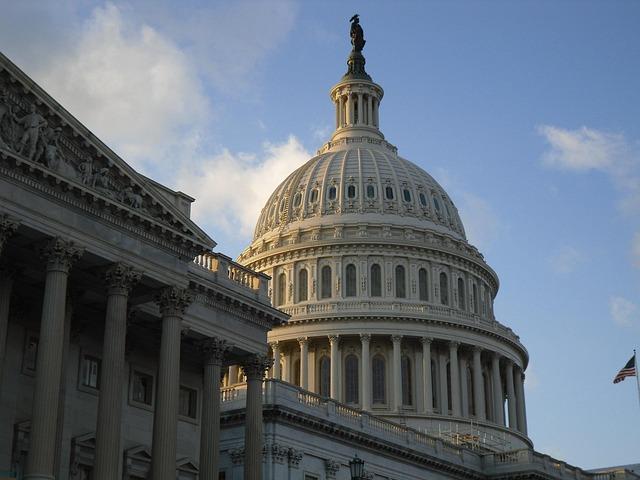
Anyone planning to attend Independence Day events downtown should expect a structured security plan with staggered gate openings, intensified bag checks and rolling street closures near the National Mall, the Capitol and key federal buildings. Security screening will be concentrated at marked entry points, some of which open in late morning while others come online closer to mid-afternoon.
Arriving at or near peak hours—particularly in the period leading into evening concerts and fireworks—can mean longer waits, secondary inspections and less freedom of movement once inside the secure perimeter. D.C. officials encourage visitors to:
- Check the latest advisories online or via local news before leaving home
- Factor in additional time for transit, screening and walking from Metro stations
- Use public transportation instead of driving wherever possible
Security agencies have also published detailed lists of prohibited and permitted items for magnetometer and bag screening sites, and enforcement will be strict. Light packing is strongly recommended, since moving between the Mall, the Capitol grounds and nearby memorials can involve passing through more than one checkpoint.
Key planning tips include:
- Arrive early: Security lines historically spike from 4 p.m. to 8 p.m., especially near main stages and central viewing fields.
- Know your assigned gate: General attendees, guests with special passes and visitors with mobility needs may be routed to different entrances.
- Minimize bags: Small, clear bags tend to move through checks much faster; oversized coolers and bulky backpacks may be turned away.
- Plan how you will leave: Certain entrances will convert to exit‑only soon after the fireworks conclude, affecting how quickly you can depart.
| Area | Gate Opening Time | Expected Screening Peak |
|---|---|---|
| National Mall (Central Corridor) | 11:00 a.m. | 5:00–7:00 p.m. |
| U.S. Capitol West Front | 12:00 p.m. | 3:00–6:00 p.m. |
| Lincoln Memorial Vicinity | 1:00 p.m. | 6:00–8:00 p.m. |
Behind the Scenes: Managing Risk and Readiness on America’s Birthday
Federal, city and military planners face a constant balancing act: protect one of the highest-profile gatherings in the country while preserving the festive character of the nation’s birthday. Inside joint command centers, teams are already synchronizing live feeds from cameras, environmental sensors and social media monitoring tools to pick up early indicators of trouble as crowds flood the National Mall.
Security protocols have been updated to mirror the modern threat environment, which now includes not only traditional concerns like explosives or organized plots, but also lone actors, cyber disruptions and drone intrusions into no‑fly airspace. Leaders say the objective is a security posture that is clearly present yet not overwhelming—visible enough to comfort attendees, but not so intrusive that it overshadows the day’s patriotic displays.
- Linked command posts connecting federal, regional and local responders for faster decision-making
- Expanded camera and sensor coverage along Metro lines, parade routes and around major monuments
- Specialized response teams ready for hazardous materials, explosive ordnance disposal and emergency medical incidents
- Rapid public alert systems capable of pushing notifications and instructions in seconds
| Readiness Category | Core Priority |
|---|---|
| Crowd Management | Orderly movement, unobstructed exits, prevention of dangerous bottlenecks |
| Air & Drone Security | Strict no-fly zones, radar sweeps, rapid response to unauthorized aircraft or drones |
| Medical Preparedness | First-aid stations, mobile medical teams, coordination with area hospitals |
| Cyber & Communications Monitoring | Protection of networks, continuity of emergency communication systems |
Authorities say they are planning for both unlikely crises and the predictable stresses of a hot, crowded summer holiday. Heat-related illness, dehydration and transportation bottlenecks are treated as central planning concerns. Additional water stations, misting or cooling areas and shaded rest spaces are scheduled across key gathering points. Public health officials also advise wearing light clothing, using sunscreen and taking regular breaks from the sun.
Law enforcement leaders reiterate that public cooperation is essential. They encourage visitors to keep belongings minimal, comply with bag and screening rules and promptly report unattended items or suspicious behavior. In many ways, they say, this Independence Day will demonstrate how far Washington’s security planning has evolved—built on overlapping protections and rapid adaptability in an era of shifting, often unpredictable risks.
Conclusion
As Independence Day celebrations stretch from the National Mall to neighborhood block parties, officials say that striking the right balance between festivity and security remains their guiding principle. With crowds expected to grow throughout the day and events continuing late into the night, authorities are asking for patience at checkpoints, situational awareness in public spaces and respect for posted restrictions and road closures.
For many who have attended July Fourth celebrations in the capital over the past decade, these added security layers now feel like part of the holiday landscape, alongside fireworks, flags and concerts. The hope among planners is that robust, largely unseen vigilance will allow Americans to mark their country’s birthday in open, shared spaces—a full public celebration carried out under careful watch, but defined above all by the people who come together to honor the day.