

Severe Storms Upend US 250th Anniversary Plans, Exposing Growing Climate Risks
Severe weather stamped its mark on what was meant to be a historic, tightly choreographed celebration of the United States’ 250th anniversary, scrapping major events, disrupting travel and cutting power to tens of thousands across several states. Communities that had spent months organizing parades, concerts and fireworks displays suddenly found themselves improvising as fast-moving storms unleashed torrential rain, high winds and intense lightning.
As emergency alerts rolled out and radar screens lit up, officials were forced to choose between preserving the symbolism of the semiquincentennial festivities and protecting public safety in the face of increasingly extreme weather.
Storm Cells Target Key Anniversary Hubs, Forcing Rapid Cancellations
Instead of a smooth showcase of national pride, the US 250th anniversary unfolded under a patchwork of postponements and shutdowns. A chain of powerful thunderstorms raked the Northeast and Mid-Atlantic, triggering flash-flood warnings and grounding flights at some of the country’s busiest airports.
In Washington, D.C., authorities ordered the early evacuation of large sections of the National Mall as lightning closed in, shutting down outdoor concerts and leaving stages and viewing areas empty. In New York City and Philadelphia, long-planned parades were dramatically shortened or cut altogether, while fireworks shows were pushed back or suspended as storm cells hovered overhead.
Transit systems struggled to keep pace with the shifting conditions. Subway lines in New York reported waterlogged stations, East Coast rail services experienced cascading delays, and travelers confronted long waits as airport ground stops disrupted tightly packed holiday schedules.
Mobile phones buzzed with back-to-back warnings urging people to move indoors, while event organizers scrambled to salvage what they could of the programme by moving segments online, relocating performances to smaller indoor venues or canceling outright. Visitors who had saved and traveled for the once-in-a-generation anniversary often ended up crowded into hotel lobbies, convention centers and temporary shelters, uncertain whether events would resume.
- Events halted: High-profile outdoor concerts, military flyovers and waterfront festivals were paused, relocated, or cancelled with little notice.
- Travel snarled: Flight groundings, road closures and rail disruptions rippled from Washington, D.C. up through New York and beyond.
- Public safety prioritized: Emergency operations centers activated across multiple states, coordinating shelters, alerts and evacuations.
| City | Main Disruption | Estimated Crowd Affected |
|---|---|---|
| Washington, D.C. | National Mall evacuations | 150,000+ |
| New York City | Fireworks delayed, subway flooding | 90,000+ |
| Philadelphia | Parade cut short | 60,000+ |
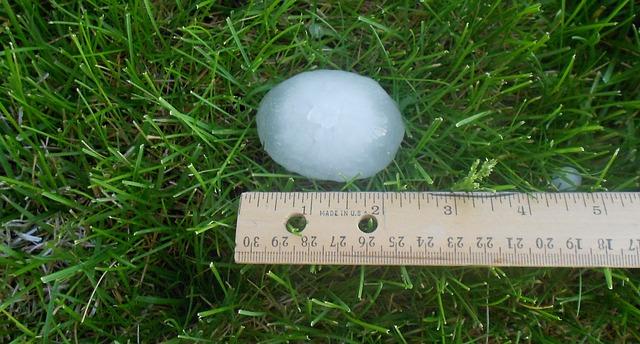
Meteorologists described the setup as a “perfect storm” of ingredients: high heat, oppressive humidity and a sharp cold front colliding over a densely populated corridor. The result was a volatile atmosphere capable of producing destructive straight-line winds, hail and hyper-local flash flooding exactly when crowds were at their peak.
Officials in several jurisdictions reported a handful of minor injuries linked to falling branches, slips on slick pavement and traffic incidents, but argued that early shutdowns prevented more serious harm. Still, the abrupt changes tested patience. Hospitality staff, police, security contractors and volunteers were left managing swelling, frustrated indoor crowds while trying to maintain order and provide clear information.
The storms added fresh urgency to ongoing debates about climate resilience and mass gatherings. With the National Oceanic and Atmospheric Administration (NOAA) noting a steady rise in billion-dollar weather disasters in the US over the past decade, planners and climate scientists are increasingly questioning whether traditional outdoor-centric celebration models can withstand more frequent and intense extremes.
Holiday Economy Hit Hard as Tourism and Local Commerce Stumble
For many businesses, the US semiquincentennial was supposed to be a financial windfall. Instead, it turned into a costly setback.
From iconic coastal destinations to historically themed inland towns, the anticipated boom in visitor spending evaporated as storms intensified and travel plans unraveled. Families aborted road trips amid flooded highways and cancelled flights, leaving hotel rooms empty and rental properties unbooked just when occupancy typically spikes.
Restaurants that had stocked up and staffed for heavy walk-in traffic reported sales plunging by half or more in some of the worst-affected cities. Outdoor patios sat unused under driving rain, catering orders were dropped at the last minute, and late-night business dried up when fireworks and concerts were postponed.
Tour operators were hit just as hard. Harbor cruises, guided city tours, historical reenactments and outdoor museum programs were called off, forcing operators to process mass refunds or offer credits for future dates. For many small, locally owned companies—already juggling inflation, rising wages, and higher insurance premiums—the lost US 250th anniversary revenue represents a serious financial blow.
| Sector | Typical Holiday Gain | Estimated Loss This Year |
|---|---|---|
| Hotels & Rentals | +35% revenue | -20% to -40% |
| Restaurants | +30% revenue | -15% to -35% |
| Tours & Attractions | Sold-out capacity | Up to 50% cancellations |
Local governments warn that the economic shock is unlikely to be confined to a single weekend. Holiday tourism typically delivers a surge in sales tax and lodging tax revenue, helping fund public transportation, parks, cultural programming and seasonal hiring. With many of those dollars now lost, cities and counties may face tighter budgets heading into the slower months.
As a result, chambers of commerce and business coalitions in several states are pressing for targeted relief. Their proposals include:
- Targeted grants to offset revenue shortfalls directly linked to the disrupted anniversary period.
- Fast-tracked insurance payouts to help businesses recover from weather-related closures, property damage and spoilage.
- Coordinated marketing campaigns to attract visitors back once infrastructure is fully restored and events can be rescheduled.
The broader context deepens the concern: according to recent federal data, climate- and weather-related disasters in the US caused more than $90 billion in damages in 2023 alone, highlighting how a single disrupted weekend can compound existing financial fragility for local enterprises.
Power Failures and Infrastructure Gaps Put Emergency Response Under the Microscope
As severe storms knocked trees onto power lines and overloaded aging substations, sprawling outage maps quickly filled with dark zones. Residents from the Mid-Atlantic to parts of the Midwest reported hours without electricity, air conditioning or reliable phone service during the critical holiday window.
In many areas, emergency managers faced sharp criticism for how response efforts unfolded. Residents described jammed 911 lines, unclear evacuation guidance and confusion over which shelters had backup generators or medical capabilities. In some localities, redundant communication tools that were supposed to function during outages either malfunctioned or were swamped by demand, forcing first responders to fall back on in-person welfare checks and informal radio networks.
Disparities in how warnings and resources were distributed also raised questions. Some neighborhoods received frequent push alerts, text messages and detailed guidance, while more isolated or low-income communities reported minimal communication and slower aid. Civil liberties and community advocacy organizations pointed to longstanding inequities in disaster planning and response that appeared to resurface during the US 250th anniversary disruptions.
Officials defended their performance, arguing that the storms’ intensity and overlapping infrastructure failures created an unprecedented test. Nonetheless, early after-action reviews from watchdogs and disaster experts have underscored systemic vulnerabilities that have been flagged for years but remain only partially addressed.
Recurring weaknesses cited by analysts include:
- Fragmented communication among local, state and federal agencies, leading to mixed messages and delays.
- Insufficient backup power at hospitals, shelters and transit hubs, leaving critical services exposed when the grid fails.
- Uneven resource deployment that left some rural and low-income urban areas waiting longer for crews and supplies.
- Limited real-time data on power grid performance, roadway conditions and shelter capacity.
| City | Average Power Loss | Emergency Calls Delayed |
|---|---|---|
| Philadelphia | 14 hours | 22% |
| Chicago | 9 hours | 17% |
| Atlanta | 11 hours | 19% |
The strain on the grid during the anniversary illustrates a broader national challenge. The US electrical infrastructure is being asked to handle rising demand amid hotter summers, expanding electrification and more intense weather. Without accelerated investment in modernization, grid hardening and microgrids, experts warn that similar large-scale outages during key civic events are increasingly likely.
Rethinking How the US Plans National Celebrations in a Warming Climate
The turmoil surrounding the US 250th anniversary has intensified calls for a fundamental reset in how the country designs and safeguards major public events in an era of climate change.
Policy analysts, emergency planners and climate scientists argue that the traditional model—locking in fixed outdoor venues and rigid schedules months or years in advance—is becoming riskier as storms, heatwaves and wildfire smoke events grow more frequent and less predictable. They contend that the disruptions offer a case study in how vulnerable even the most meticulously planned commemorations can be without robust climate resilience planning.
Among the most pressing concerns are:
– How to more deeply integrate high-resolution weather forecasting into event operations.
– How to protect large crowds when multiple hazards (for example, extreme heat plus severe storms) overlap.
– How to ensure that communications, medical services and transport networks can function under stress.
Experts are pushing for multi-hazard planning that accounts not only for heavy rain and wind, but also for compound threats such as prolonged power outages, degraded air quality and extreme temperatures. The goal is to move beyond basic “rain plans” toward comprehensive playbooks that can adapt quickly to a range of scenarios.
Behind closed doors, federal, state and local officials are already debating what future standards for “safe” national celebrations should look like, particularly as the country looks ahead to other large-scale events and anniversaries.
- Dynamic scheduling that allows marquee events to shift time or location within hours using live meteorological and crowd data, rather than fixed, immovable start times.
- Mandatory climate risk assessments for all major federally supported gatherings, including scenario modeling for multiple simultaneous hazards.
- Upgraded emergency shelters near central event sites, equipped with resilient power systems, medical capabilities and multilingual communication tools.
- Transparent public alert systems that deliver concise, consistent information quickly—prioritizing safety and clarity over ceremony or optics.
These recommendations align with a broader pivot many cities are already making: shifting toward modular event design, blending indoor and outdoor components, and investing in shaded, flood-resistant public spaces that can accommodate crowds even when conditions shift.
| Planning Focus | Current Practice | Proposed Shift |
|---|---|---|
| Weather Monitoring | Static forecasts | Continuous, on-site feeds |
| Crowd Safety | Heat & rain protocols | Multi-hazard playbooks |
| Event Design | Fixed outdoor venues | Modular, flexible layouts |
| Governance | Fragmented oversight | Unified resilience command |
Some cities have already begun experimenting with these ideas—using “rolling” start times for outdoor concerts based on real-time radar, building permanent shade structures and cooling centers into central plazas, and incorporating renewable energy and storage systems to keep essential services running during outages. The US 250th anniversary disruptions are likely to accelerate and broaden adoption of such measures nationwide.
Looking Beyond the US 250th Anniversary
As line crews cleared downed trees, utilities worked through long repair backlogs and streets slowly dried out, officials urged residents and visitors to remain alert, warning that additional rounds of severe weather could not be ruled out in the near term.
For many Americans, the storm-battered celebrations have become a vivid illustration of how exposed communities remain to climate-driven extremes, even during the most carefully orchestrated national moments. The symbolic weight of the US 250th anniversary has only sharpened questions that were already emerging: How prepared is the country’s infrastructure for the next major event? Who is most at risk when systems fail? And how rapidly can planning catch up with a changing climate?
Those conversations are likely to continue long after the last outage is resolved and the skies return to blue. As the United States moves beyond its quarter-millennium milestone, the legacy of this anniversary may hinge less on fireworks or speeches and more on whether it spurs enduring investments in preparedness, equitable infrastructure resilience and climate-aware planning for the celebrations—and crises—still to come.