



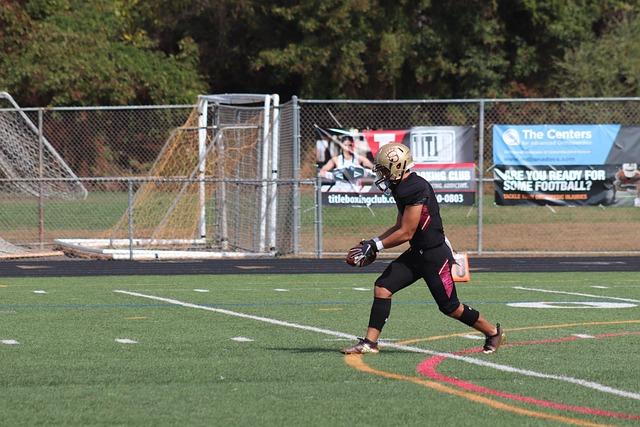
The Southern Section of the California Interscholastic Federation (CIF-SS) has once again taken command of the high school football narrative in the western United States. In USA TODAY’s latest preseason regional rankings, CIF-SS programs dominate the upper tier, reinforcing the section’s status as a national benchmark and widening the performance gap between Southern California and most of the rest of the West. From established powerhouses to fast-rising challengers, the standings make one theme unmistakable: for teams aiming at regional or national relevance, the path to the top still cuts directly through the CIF Southern Section.
Why CIF Southern Section Teams Continue to Control the West Region Preseason Football Rankings
Southern California’s grip on the West’s preseason rankings is the product of more than just raw talent. CIF-SS programs have built a long-term ecosystem that blends elite coaching, sophisticated infrastructure, and a deeply embedded football culture. While the region benefits from one of the most concentrated high school talent bases in the country, insiders stress that the real difference lies in how that talent is developed, managed, and showcased.
Top CIF-SS schools function much like small college programs. Many have:
– On-campus performance centers that rival Division II or FCS facilities
– Dedicated film rooms and meeting spaces that replicate collegiate environments
– Nutrition and recovery protocols that support year-round development
– Coordinated systems that streamline player advancement from freshman to varsity
By the time sophomores step under center or into starting roles, they’ve often logged hundreds of off-season reps, immersed themselves in terminology, and learned to process game plans at a higher speed. Rotational depth is treated as a necessity, not a luxury, enabling programs to maintain intensity through four quarters while other Western teams struggle to keep pace.
- Year-round 7-on-7 circuits sharpening quarterbacks, receivers, and defensive backs in live-rep settings.
- Highly specialized strength staffs implementing college-style lifting, speed work, and mobility programming.
- Film and analytics adoption supporting nuanced, opponent-specific preparation each week.
- Robust feeder programs that synchronize schemes from youth football through varsity, minimizing learning curves.
| Program | Preseason West Rank | Primary Competitive Advantage |
|---|---|---|
| Mater Dei | 1 | Elite QB development pipeline |
| St. John Bosco | 2 | Relentless defensive depth and rotation |
| Corona Centennial | 4 | High-tempo, high-volume offensive identity |
| Mission Viejo | 7 | Staff continuity and consistent system buy-in |
Preseason trust is a major factor. Voters and national evaluators have watched these programs execute the same high standard year after year, turning projections into more of a formality than a guessing game. Their schedules amplify that credibility: CIF-SS contenders regularly open against out-of-state powers, seek neutral-site showcases, and rarely shy away from top national opposition.
The visibility piece matters as well. Frequent national television broadcasts, streaming deals, and high-profile showcase events have made Southern Section games staples on recruiting and scouting calendars. With alumni filling rosters across the SEC, Big Ten, Big 12, and remaining Pac-12 programs, preseason rankings often feel like confirmation of an entrenched order rather than a bold prediction.
Schemes and Position Groups That Give CIF SS Contenders a Tactical Edge
Across the West, no cluster of programs has blended personnel, scheme, and depth as effectively as those in the CIF-SS. Their advantages show up not only on highlight films but in the subtle details of how they structure their playbooks and deploy position groups.
Quarterback play remains the most visible separator. CIF-SS powers routinely carry multiple FBS-caliber quarterbacks in the same program, all capable of handling:
– Full-field reads
– Tempo shifts at the line of scrimmage
– Adjustments to leverage and coverage disguises
Most of these offenses operate out of advanced pro-spread and hybrid systems that mirror modern college playbooks. Concepts like backside RPO tags, flood and dagger variations, and layered verticals are staples rather than occasional wrinkles.
On the perimeter, the depth is just as striking. Rotations of long, physical corners and explosive slot receivers allow CIF-SS teams to stay fresh deep into the fourth quarter. Offensively, they can roll through multiple personnel groupings without sacrificing matchups; defensively, they can:
– Rotate coverages post-snap
– Play aggressive press-man on early downs
– Shift into pattern-match principles against spread sets
In the trenches, offensive lines are taught like college units. They rep:
– Protection checks and communication rules against simulated pressures
– Multiple run concepts, from wide zone to gap schemes
– Adjustments based on fronts, blitz patterns, and defensive structure
Defensively, hybrid edge players and versatile linebackers have become the norm, giving coordinators the flexibility to present three- and four-man fronts, creepers, and simulated pressures without substituting.
What makes CIF-SS particularly difficult to scout is the way these strengths are unified into cohesive, adaptable schemes. Offenses blend RPO structures, tag-based route combinations, and motion packages that force opposing defenses into complex decision-making on nearly every snap. On the other side of the ball, coordinators lean heavily into multiple-front packages, mixing odd and even fronts with match-quarters, bracket coverage on top receivers, and situational pressures.
- Quarterbacks: Comfortable with college-level verbiage, progression reads, and timing-based throws.
- Skill Positions: Two- and sometimes three-deep at WR and RB, allowing for matchup-specific roles.
- Offensive Line: Proficient in both gap and zone schemes, with advanced protection adjustments.
- Defensive Backs: Fluid in press, off-man, pattern-matching, and rotating safety shells.
- Edges/Linebackers: Hybrid defenders able to rush, drop in coverage, and chase in space.
| Area | CIF-SS Contenders | Typical Western Rival |
|---|---|---|
| Quarterback Room | 3–4 college-level prospects | 1 proven starter, limited depth |
| Defensive Structure | Multiple fronts, match and bracket coverages | Base fronts, spot-drop zone concepts |
| Skill Position Depth | Full two-deep at WR/DB with minimal drop-off | Significant decline after first unit |
| Game Planning | Opponent-specific packages and weekly wrinkles | Standardized, system-first installations |
The net result is a tactical advantage that shows up on Friday nights in critical moments: two-minute drills, late-game red-zone stands, and overtime situations where experience, depth, and scheme flexibility matter most.
CIF SS and the Modern Recruiting Landscape: The West’s Dominant Talent Pipeline
College programs from coast to coast have adjusted their recruiting blueprints to reflect what CIF-SS has become: the premier single-region pipeline of high school football talent in the West. Instead of building sporadic presence in Southern California, many FBS staffs now structure entire recruiting phases around it.
Assistants routinely carve out full weeks during spring and early fall to move through Orange County, the Inland Empire, and the broader Southern California corridor. The focus is no longer limited to five-star headliners—coaches are aggressively targeting:
– Heavily developed “second-wave” players behind established stars
– Multi-sport athletes with elite measurables
– Underclassmen already contributing on varsity
This shift is reshaping how college staffs handle their internal scouting. Film libraries are flooded with CIF-SS tape, and some recruiting departments are now building proprietary databases that log:
– Performance by league and playoff run
– Position usage and snap counts over multiple seasons
– Track, basketball, or baseball crossover numbers
The impact is easy to see in recent recruiting cycles. According to national recruiting services, California—and particularly Southern California—remains among the top three states annually in total Power Four signees, with CIF-SS schools supplying a disproportionate share of those prospects. For many staffs, the question has changed from “Should we recruit this area?” to “How large a portion of our class can we responsibly allocate to this one section?”
To keep from overlooking late bloomers on star-heavy rosters, scouting departments are leaning on layered identification strategies:
– In-person evaluations during spring ball, fall camp, and key regular-season matchups
– Satellite camps hosted at or near CIF-SS schools
– Deeper relationships with 7-on-7 organizations, private trainers, and position-specific coaches
The resulting offer lists for CIF-SS starters often read like national roll calls:
| Program | Avg. FBS Offers per Starter | Most Common Conference Visitors |
|---|---|---|
| Mater Dei | 8–10 | SEC, Big Ten, Big 12 |
| St. John Bosco | 7–9 | Big Ten, ACC, Pac-12 |
| Corona Centennial | 5–7 | Pac-12, Big 12 |
- Rising national travel: More cross-country visits to CIF-SS campuses during spring and fall evaluation periods.
- Earlier offers: Freshmen and sophomores in the Southern Section increasingly receive verbal offers before becoming full-time varsity starters.
- Analytics-backed scouting: Use of GPS data, verified speed metrics, and strength numbers to separate production from scheme-related inflation.
With NIL and the transfer portal reshaping college rosters, staffs have placed an even higher premium on prospects from environments that mirror the demands of college football. CIF-SS fits that profile, making the section a long-term recruiting priority rather than a year-to-year trend.
Lessons for Coaches and Athletic Directors Across the West from the CIF SS Blueprint
Administrators and coaches around the West are taking a closer look at how the CIF Southern Section transformed sustained preseason visibility into on-field dominance. While not every region can match Southern California’s population or climate, many of the underlying principles are transferable.
At the structural level, CIF-SS balances strong local control with consistent overarching standards. That combination shows up in:
– How schedules are constructed
– How competitive balance is managed
– How postseason qualification is organized
The section’s willingness to embrace cross-division matchups and top-heavy nonleague schedules has had a sharpening effect on its best teams. Rather than chasing undefeated records against soft opposition, many CIF-SS contenders actively seek out high-end competition that exposes weaknesses early in the season.
Just as important is the alignment between on-field performance and off-field investment. Both public districts and private schools within the section are increasingly treating football as part of a broader athletic performance model, with resources dedicated to:
– Year-round strength and conditioning programs
– Academic support tailored to in-season demands
– Media and brand-building efforts that raise program profiles
Key components of the CIF-SS model that other Western programs are analyzing include:
- Data-driven scheduling that prioritizes competitive growth and playoff readiness over effortless wins.
- Clear eligibility and transfer protocols aimed at maintaining a level playing field and reducing long-term disputes.
- Coaching collaboration via clinics, film-sharing platforms, and professional development networks.
- Strategic media partnerships that leverage television, regional streaming, and social media to spotlight marquee matchups and standout athletes.
| Focus Area | CIF-SS Approach | West Region Application |
|---|---|---|
| Scheduling | Challenging, nationally relevant nonleague slates | Seek quality opponents to build playoff-tested rosters |
| Competitive Balance | Regular division realignment based on recent results | Reassess program placement on current strength, not historical reputation |
| Player Development | Integrated, year-round development model | Elevate off-season training and skill work to match in-season intensity |
| Visibility | Emphasis on TV, streaming, and digital highlights | Build digital and local media presence for leagues and individual programs |
For schools aiming to close the gap, the takeaway is less about copying specific playbooks and more about replicating the underlying ecosystem: consistent standards, deliberate scheduling, modernized training, and a long-term commitment to building competitive depth.
Looking Ahead: The 2024 Season and the West’s Chase to Catch CIF-SS
As the 2024 high school football season nears kickoff, the early indicators all point in the same direction: the balance of power in the West still leans heavily toward the CIF Southern Section. With multiple CIF-SS programs clustered at the top of USA TODAY’s preseason rankings, Southern California once again anchors the regional hierarchy and remains central to the national conversation.
The story, of course, will continue to evolve. Injuries, breakout performances, surprise contenders, and unexpected upsets will all reshape the landscape by November. Some programs outside the Southern Section will close the gap, and there will be nights when heavily favored CIF-SS teams are pushed to the brink.
For now, however, the message to the rest of the West is unmistakable. Any team with serious aspirations of regional—and potentially national—supremacy must measure itself against the standards being set in Southern California. The scoreboard will ultimately decide whether the preseason expectations are justified, but as the first whistles draw closer, the tone is set: the chase is on, and the road to the top still runs through CIF-SS.