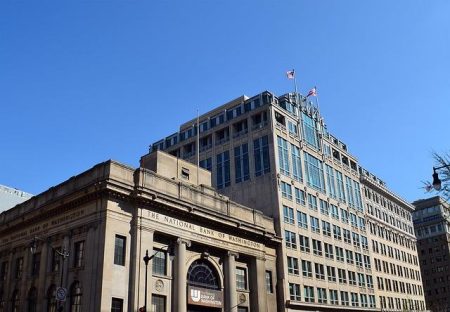



The Islamic Education Center of Washington became a focal point of reflection and devotion this week as it hosted moving Arbaeen commemorations, attracting Shia Muslims and guests from across the broader Washington metropolitan region. Marking forty days after Ashura, the programs honored the martyrdom of Imam Hussain ibn Ali (AS), the beloved grandson of Prophet Muhammad (PBUH), and his companions who fell in the Battle of Karbala.
Through a series of photographs shared by ABNA English, viewers see worshippers engaged in processions, prayers, and heartfelt recitations that embody both sorrow and spiritual strength. The scenes highlight communal mourning, traditional rituals, and the active involvement of families, children, and youth. They also show how Arbaeen—recognized as one of the largest annual religious gatherings in the Muslim world, drawing tens of millions to Karbala each year—is being meaningfully observed in an American setting.
A Reflective Arbaeen Procession at the Islamic Education Center of Washington
Pilgrims and community members from throughout the Washington, D.C. area converged on the Islamic Education Center of Washington for an evening of solemn remembrance. The Arbaeen procession wove through the corridors and outdoor spaces of the center, with attendees walking in contemplative silence, many dressed in black as a visible sign of grief and solidarity.
Melancholic elegies in Arabic, Urdu, Persian, and English resonated through the space, offering a multilingual expression of love and loyalty to Imam Hussain (AS). Volunteers carefully guided the flow of worshippers so that elders, parents with young children, and youth groups could participate together without disruption. At intervals, the crowd joined in the recitation of Ziarat Arbaeen, offered collective supplications, and listened to lamentations recalling the hardship and sacrifice endured in Karbala.
The evening blended traditional devotional practices with a strong emphasis on education and reflection. Along the procession route, banners displayed Quranic verses and statements attributed to Imam Hussain (AS), highlighting values such as:
- Steadfastness in standing for truth despite pressure and fear
- Truthfulness in speech, action, and intention
- Defense of human dignity against tyranny and injustice
Short addresses and spoken-word pieces reminded attendees that the tragedy of Karbala is not merely a historical event but an ongoing moral framework to confront contemporary oppression, discrimination, and abuse of power. Alongside the main procession, participants took part in:
- Collective mourning rituals, including rhythmic chest-beating (latmiyah)
- Brief lectures explaining the historical context and spiritual lessons of Arbaeen
- Group prayers for unity, peace, and safety for Muslims and oppressed communities globally
- Charitable initiatives supporting local families, new migrants, and those facing economic hardship
| Key Elements | Details |
|---|---|
| Main Focus | Commemoration of Imam Hussain (AS) and the martyrs of Karbala on Arbaeen |
| Core Activities | Procession, Ziarat Arbaeen, lectures, supplications, mourning rituals |
| Community Presence | Families, youth, elders, and interfaith observers |
| Setting | Islamic Education Center of Washington |
Karbala’s Moral Message: Justice, Solidarity, and Responsibility
Speakers throughout the program stressed that remembering Imam Hussain (AS) is not limited to expressing grief; it also requires translating that grief into ethical action. Community scholars, activists, and youth representatives drew connections between Imam Hussain’s stand against Yazid’s oppression and today’s struggles for human rights, accountable governance, and protection of vulnerable groups.
Discussions framed Karbala as a universal moral reference point that speaks to people across faiths and cultures. Attendees reflected on how the stance of Imam Hussain (AS) can guide responses to modern issues such as systemic racism, religious persecution, forced displacement, and political corruption. The message of Arbaeen, they emphasized, remains a living call to:
- Challenge injustice, even when it is normalized
- Defend those who are silenced or marginalized
- Promote leadership grounded in integrity, empathy, and service
This year’s Arbaeen gathering at the Islamic Education Center of Washington featured several initiatives demonstrating how spiritual lessons are being translated into concrete community engagement. Organizers noted an uptick in interfaith attendees and collaborative projects built around the Arbaeen message, including:
- Interfaith dialogues examining moral courage, ethical leadership, and public responsibility
- Food drives and charity campaigns dedicated to the memory of the martyrs of Karbala
- Youth workshops on ethical activism, digital responsibility, and community organizing
- Solidarity statements in support of oppressed and war-affected communities worldwide
| Key Theme | Community Focus |
|---|---|
| Justice | Resisting discrimination, corruption, and the misuse of power |
| Solidarity | Standing alongside marginalized groups locally and globally |
| Sacrifice | Choosing truth and integrity over comfort, silence, or complicity |
Interfaith Presence at Arbaeen: Building Cultural Understanding in Washington
Guests from a range of religious, cultural, and professional backgrounds quietly joined the Arbaeen commemorations, many of them attending such a gathering for the first time. They observed the recitation of elegies, the coordinated chest-beating, and the slow, dignified processions recalling the martyrdom of Imam Hussain (AS).
Volunteers stationed at the back and sides of the prayer hall welcomed visitors, providing gentle guidance on etiquette and answering basic questions. They explained symbolic practices such as:
- The distribution of water in remembrance of the thirst endured by Imam Hussain (AS) and his companions
- The wearing of black as a visual sign of mourning and empathy
- The collective silence during du’a as a shared moment of reflection across faith lines
These interactions often opened the door to deeper conversations about sacrifice, moral responsibility, and how different religious traditions commemorate their own tragedies and martyrs. Informal exchanges over tea, refreshments, and cultural dishes created a welcoming environment where visitors could learn and share their own experiences.
To make the Arbaeen commemoration accessible and informative, the Islamic Education Center of Washington offered:
- Guided tours of the prayer halls, library, and educational exhibits
- Short Q&A sessions outlining the events of Karbala and the significance of Arbaeen
- Designated observation areas for first-time visitors, journalists, and researchers
- Multilingual handouts explaining key terms, rituals, and historical figures
| Participant | Background | Key Takeaway |
|---|---|---|
| Local Pastor | Christian | Admiration for the emphasis on moral courage and principled resistance |
| Graduate Student | Secular | Deeper understanding of Shia history and the global Arbaeen pilgrimage |
| Community Organizer | Jewish | Resonance with themes of shared memory, persecution, and resilience |
From a Single Night to a Year-Round Commitment: Extending the Arbaeen Message
Leaders at the Islamic Education Center of Washington underscored that the spirit of Arbaeen should continue long after the procession ends. They encouraged attendees to commit to ongoing study, reflection, and service that embody the values of Karbala in daily life.
To support this, the center announced an expanded lineup of educational and spiritual programs, including new weeknight classes, thematic weekend workshops, and youth-oriented leadership circles. These initiatives aim to help participants understand the historical depth of Karbala and apply its teachings to current social, ethical, and political challenges.
Among the programs highlighted were:
- Children’s Qur’an and Ethics circles incorporating storytelling about prophets, the Ahl al-Bayt (AS), and the events of Karbala
- Teen discussion forums addressing identity, justice, mental health, and media literacy from an Islamic perspective
- Adult seminar series covering Islamic history, creed, contemporary challenges, and civic engagement
- Family outreach sessions focused on emotional well-being, communication, and building resilient households
| Program | Focus Area | Frequency |
|---|---|---|
| Arbaeen Study Circle | History, Spirituality & Contemporary Relevance | Weekly |
| Youth Service Lab | Volunteer Training & Community Projects | Monthly |
| Family Relief Drive | Humanitarian Support & Social Welfare | Seasonal |
Humanitarian Initiatives: Translating Arbaeen Values into Service
In parallel with its educational offerings, the Islamic Education Center of Washington unveiled a series of humanitarian projects intended to embody the principles of sacrifice, empathy, and solidarity that define the Arbaeen message. Organizers emphasized that serving those in need is a vital expression of loyalty to Imam Hussain (AS).
Volunteers are being recruited and trained for a range of local and global relief efforts. Registration tables and online sign-up forms were made available during the commemoration, and organizers reported strong interest from families and youth eager to contribute. Planned initiatives include:
- Food and hygiene kit distributions in underserved neighborhoods across the Washington area
- Fundraising campaigns for medical aid, emergency relief, and reconstruction in conflict-affected countries
- School supply drives to support refugee children and students from low-income families
- Interfaith service coalitions bringing together churches, synagogues, mosques, and community groups to address homelessness, hunger, and social isolation
These projects are designed not only to provide material assistance but also to cultivate a sense of shared purpose and responsibility within the broader community.
Conclusion: Arbaeen in Washington and a Global Tapestry of Remembrance
The images and testimonies emerging from the Islamic Education Center of Washington’s Arbaeen commemoration reveal more than a single event; they capture a living tradition that binds people together across geography and background. In remembering the fortieth day after Ashura, participants honored Imam Hussain (AS) and the martyrs of Karbala while affirming Arbaeen as a powerful symbol of resistance to injustice and solidarity with the oppressed.
Observed thousands of miles from Karbala, the rituals, processions, and reflections at the center demonstrate how Arbaeen continues to transcend borders. Within the American context, this commemoration nurtures a sense of global spiritual connection among Shia communities, the wider Muslim ummah, and their neighbors of other faiths and worldviews—reaffirming that the message of Imam Hussain (AS) remains deeply relevant to the moral challenges of our time.