

Washington, D.C. is gearing up for a landmark summer as the United States nears its 250th birthday, turning the city into an immersive stage for American history, culture, and civic life. New museum installations, expanded festivities on the National Mall, and commemorations at world-famous monuments are converging into a wide-ranging celebration of the nation’s revolutionary origins and its constantly evolving identity. As residents and visitors flood the capital, these events will probe how a politically fractured country remembers its past, wrestles with its founding promises, and imagines the next 250 years.
America’s 250th in the Capital: A Supercharged Celebration of Parades, Fireworks, and Civic Spectacle
From the Capitol dome to the riverbanks of the Potomac, Washington is choreographing its most elaborate national birthday celebration since the 1976 bicentennial. Local officials, federal partners, and major cultural organizations have spent months aligning their plans, building a multi-day program that organizers say will surpass previous milestone anniversaries in scale and creativity.
Core elements of the celebration include:
- Early-morning sunrise ceremonial marches tracing historic routes around Capitol Hill
- Expanded military honor guards and joint-service formations along Constitution and Independence avenues
- An extended National Independence Parade featuring floats and marching contingents representing all 50 states and several U.S. territories
On and around the National Mall, planners are designing tiered viewing sections, elevated broadcast platforms, and ADA-accessible zones to accommodate crowd levels that tourism experts say could rival or exceed recent Fourth of July turnouts. Security, transit coordination, and emergency protocols are being refined in nightly briefings involving city agencies, the National Park Service, and federal law enforcement.
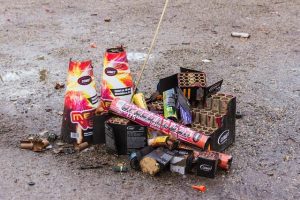
As daylight gives way to night, the focus shifts to a carefully scripted blend of light, sound, and performance. A major highlight will be an expanded fireworks program set to a newly commissioned orchestral score composed specifically for the semiquincentennial, blending traditional patriotic themes with contemporary musical influences.
Across a long weekend of public programming, visitors can expect:
- Illuminated flotillas on the Potomac and Anacostia, with decorated vessels gliding past waterfront promenades
- Drone light formations above the National Mall, mapping out milestones in U.S. history with dynamic aerial displays
- Historic reenactment units marching alongside active-duty and veteran service members, visually linking past conflicts to present-day military service
- Neighborhood “patio parades” and stoop celebrations, designed to bring the party to residents’ doorsteps in all eight wards
| Feature | Location | Time |
|---|---|---|
| Grand Parade | Constitution Ave. | Morning |
| Main Fireworks | National Mall | Evening |
| River Light Show | Potomac Waterfront | After Dark |
Reframing the American Story at 250: Museums, Monuments, and New Ways of Remembering
From marquee institutions on the Mall to small historic homes in residential neighborhoods, Washington’s museums and cultural sites are rethinking how to tell the national story to an audience raised on streaming platforms, viral videos, and nonstop political debate.
Instead of relying on static displays, new anniversary exhibits lean heavily into immersion, interactivity, and context:
- Projection-mapped timelines that spill across stone and marble, placing major events in global as well as national perspective
- Personal artifacts — such as a Black Union soldier’s pay stub, a leaflet from an antiwar march, or a Dreamer’s student ID — displayed as “evidence” in an ongoing civic dialogue about rights, responsibilities, and belonging
- Installations that juxtapose early founding documents with modern protest signs, legal briefs, and letters from ordinary citizens
Curators are also embracing a model of shared authority, inviting the public not just to view history, but to help interpret it. Visitors can:
- Annotate digital copies of key founding texts with their own commentary and questions
- Record oral histories and family stories in roving “story booths” stationed in museums and public spaces
- Participate in live polls and interactive dashboards that ask which moments from the past half-century have most reshaped American life
Major venues have synchronized their offerings so the city functions like an open-ended course in American memory. High-traffic memorials on the Mall are intentionally connected to lesser-known sites in neighborhoods east of the Anacostia River, encouraging visitors to move beyond a single, whirlwind tour and instead revisit the city in shorter, more focused trips.
Among the standout offerings:
- National Archives: Early drafts of the Declaration of Independence and the Constitution displayed alongside letters of dissent, petitions, and legal challenges that tested those ideals.
- Smithsonian museums: Rotating exhibitions on civil rights struggles, scientific breakthroughs, and cultural movements from jazz and baseball to hip-hop and digital media.
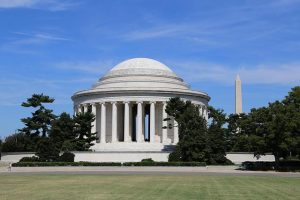
- President’s Park & the National Mall: Outdoor interpretive panels and augmented-reality features that reexamine statues and memorials through fresh scholarship and community perspectives.
| Exhibit | Venue | Focus |
|---|---|---|
| “Drafting Dissent” | National Archives | Protest & petitions |
| “250 Objects” | National Museum of American History | Everyday artifacts |
| “Faces of the Mall” | Outdoor, Constitution Gardens | Visitors’ stories |
Beyond the National Mall: Neighborhood Semiquincentennial Events Across D.C.
City leaders and grassroots organizers are determined that the semiquincentennial won’t be experienced only by those who can stand shoulder to shoulder on the National Mall. Instead, they are spreading the celebration into every ward, emphasizing stories rooted in specific blocks, businesses, and families.
Across the District, main street organizations, Business Improvement Districts, and Advisory Neighborhood Commissions are curating programs that reflect the flavor of each community:
- In Petworth, porch-front jazz concerts and small ensembles will turn residential streets into open-air music halls.
- In Anacostia, storytelling nights and spoken-word performances will highlight the experiences of Black Washingtonians with multi-generational ties to the city.
- In neighborhoods like Brookland, U Street, and Takoma, walking tours will weave together sites connected to faith communities, activism, and local entrepreneurship.
The common thread is hyperlocal history: how major national turning points — wars, civil rights legislation, economic booms and busts — have shaped the everyday lives of DC residents, from legacy families to recent immigrants and young professionals.
To support this more distributed model of celebration, the District is rolling out small-scale grants, technical assistance, and permitting help for community groups. Local schools, youth organizations, and artists are collaborating on pop-up experiences that transform ordinary spaces into mini-museums and civic classrooms:
- Recreation centers and libraries hosting curated displays on neighborhood history and future development
- Grocery store lobbies and Metro stations featuring student-designed exhibits on voting rights, protest movements, and public service
- Faith communities organizing democracy workshops, voter registration drives, and interfaith dialogues about the meaning of citizenship at 250 years
Sample neighborhood programming includes:
- Pop-up concerts in plazas, alleys, and on sidewalks, featuring local bands and youth ensembles
- History-on-the-go self-guided tours accessed via QR codes posted on lampposts and storefronts
- Arts activations in vacant retail spaces and small parks, with murals, installations, and performance art
- Family festivals with food from neighborhood vendors, kids’ activities, and storytelling circles
| Area | Signature Event | Focus |
|---|---|---|
| Shaw | Street mural festival | Civic icons |
| Anacostia | Riverfront storytelling | Oral histories |
| Columbia Heights | Plaza performances | Immigrant voices |
| Deanwood | Porch history nights | Neighborhood legacy |
Planning Your Trip: How to Experience D.C. During America’s 250th
For travelers, Washington during the semiquincentennial will feel like a city operating at full tilt. With federal employees, locals, and visitors from across the country sharing the same streets and Metro lines, thoughtful planning will make the difference between frustration and an unforgettable trip.
Book early and prioritize: Securing key reservations well in advance is essential. Timed-entry passes for top museums, tickets for special anniversary programs, and rooms at mall-adjacent hotels are expected to disappear quickly. The same is true for evening restaurant tables in popular dining neighborhoods.
Stay transit-savvy: When possible, anchor your lodging near central Metro hubs such as Metro Center, Gallery Place, or L’Enfant Plaza. On days with major parades, flyovers, or visiting dignitaries, rideshares and personal vehicles will be slowed by rolling closures, barricades, and security perimeters. The Metro and Capital Bikeshare will generally offer more predictable movement.
Balance iconic with under-the-radar: While headline events on the National Mall may be the primary draw, some of the most rewarding experiences will be found in less crowded corners of the city. Consider weaving in:
- Smaller house museums in neighborhoods like Georgetown and Capitol Hill
- Local theaters and music venues along H Street NE or U Street
- Strolls along The Wharf, Navy Yard, or Kingman and Heritage Islands for history-infused waterfront walks
To make the most of your time on the ground:
- Book early: Reserve museum time slots, special tours, and evening experiences as soon as dates open.
- Move smart: Opt for Metro instead of driving when major events, security operations, or demonstrations are scheduled.
- Build in buffer time: Allow extra minutes for bag checks, magnetometers, and crowd bottlenecks near the Mall and federal buildings.
- Go off-peak: Visit high-demand memorials around sunrise or late in the evening to avoid dense mid-day crowds.
- Look beyond downtown: Nearby areas such as Arlington, Alexandria, and Anacostia offer shorter lines, rich historic sites, and strong connections to the broader American story.
| Experience | Best Area | Timing Tip |
|---|---|---|
| Major commemorations | National Mall | Arrive 2–3 hours early |
| Founders-focused exhibits | Smithsonian core | Midweek mornings |
| Revolutionary-era dining | Penn Quarter & Old Town | Late lunch over dinner |
| Quiet reflection | Memorials at Tidal Basin | Sunrise or after 9 p.m. |
Looking Ahead: What America’s 250th in Washington Might Reveal
As the United States approaches its semiquincentennial, Washington’s commemorations function as both a mirror and a forecast — a chance to revisit 250 years of conflict, innovation, and struggle, and to consider where the country might be headed next.
By extending the celebration from the National Mall into neighborhood streets, school gymnasiums, and even riverfront paths, the capital is positioning itself as the central stage for a yearlong experiment in civic engagement. The anniversary’s success will not be measured solely by attendance figures or fireworks displays, but by whether it deepens public understanding of the nation’s founding ideals — liberty, equality, democratic participation — and how far the country still has to go in living up to them.
In a city where history and current events constantly collide, Washington’s ambitious plans for America’s 250th signal that this milestone will be far more than a ceremonial pageant. Instead, the semiquincentennial is being framed as a living, contested, and participatory experience — one that invites people to argue, reflect, celebrate, and imagine in real time, in the very capital where the American experiment continues to be written.