


Oppressive heat and suffocating humidity upended July 4th festivities across the Washington, D.C. region, forcing organizers to interrupt, scale back, or delay numerous events. Parades, concerts, and family gatherings were all affected as temperatures and heat indices climbed into levels considered dangerous by public health officials. Authorities repeatedly warned of heightened risks of heat-related illness, while crowds searched for shade, cold drinks, and indoor alternatives. The disruptions, documented by WUSA9, highlighted how extreme heat is increasingly influencing how major celebrations are scheduled, managed, and experienced in the nation’s capital.
Extreme Heat Wave Disrupts July Fourth Celebrations in Washington, D.C.
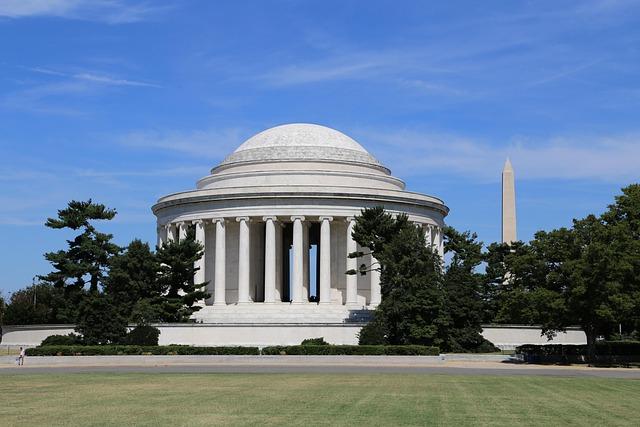
By mid-afternoon, the National Mall felt more like an oven than a festival ground. Heat indices surged into the triple digits, prompting organizers to halt certain outdoor programs and briefly restrict access to some of the most popular viewing areas. High-traffic lawns and prime vantage points near the U.S. Capitol were temporarily closed as officials urged people to move indoors to museums, federal buildings, and Metro stations.
The National Park Service responded by adding more misting stations and shaded cooling tents, while emergency medical staff handled a constant flow of visitors showing symptoms of dehydration, dizziness, and heat exhaustion. Parents with young children, older adults, and out-of-town tourists were among those most affected, with many choosing to leave early instead of waiting out the worst of the afternoon heat.
City agencies activated a flexible, rolling schedule of event modifications aimed at reducing exposure during the hottest hours of the day. Performance times were pushed back or shortened, marching band run-throughs were cut, and some interactive exhibits were temporarily suspended. Officials stressed that these disruptions were evidence-based, driven by real-time readings from on-site weather monitors and public health guidance.
- Cooling centers extended hours and added capacity for vulnerable residents.
- Outdoor concerts paused or rescheduled during peak heat periods.
- Security checkpoints slowed processing to prevent overcrowding in direct sun.
- Medical teams were reassigned to areas with dense crowds and limited shade.
| Time | Heat Index | Action Taken |
|---|---|---|
| 1:00 p.m. | 101°F | Additional cooling tents and misting lines opened |
| 3:00 p.m. | 108°F | Parade elements staggered and delayed |
| 5:00 p.m. | 110°F | Access to parts of the Mall temporarily restricted |
Hidden Security Protocols Expose Strains on Cooling Centers and Medical Aid
Behind the scenes, the same security and safety rules that protect the public at large gatherings also complicated efforts to open relief stations quickly. Park officials and emergency planners explained that every cooling tent, temporary aid station, and portable misting unit must clear multiple layers of federal and local safety checks before serving crowds.
These checks—which include security sweeps, infrastructure inspections, and coordination with law enforcement—are rarely noticed during milder weather. But as temperatures climbed, the time needed for these protocols became more visible. Visitors lined up for shaded tents and cooling centers, only to encounter stations that were delayed, partially staffed, or not yet cleared to operate.
Medical responses had to adapt in real time. Instead of rushing straight into the densest parts of the crowd, paramedics were frequently directed to remain at predesignated staging zones until officers confirmed a safe route. While essential for crowd and responder safety, that process added critical minutes to response times during heat emergencies.
To compensate, officials increased the number of mobile medics circulating on bicycles and small utility vehicles, ready to reach distressed individuals more quickly. Public address systems, digital signage, and event staff repeatedly urged people to drink water, recognize early symptoms of heat illness, and seek help before conditions became severe.
- Primary concern: Ensuring both public and responder safety under heightened security rules
- Main impact: Delays in accessing shade, cooling centers, and on-site medical care
- Mitigation: Extra roaming medical teams and staggered opening of relief stations
| Area | Planned Opening | Status |
|---|---|---|
| West Lawn Cooling Tent | 2:00 p.m. | Postponed pending security sweep |
| Reflecting Pool Aid Station | All day | Functioning with reduced staff levels |
| Smithsonian Metro Med Post | Peak hours | On standby, awaiting final clearance |
Transit, Vendors, and Local Businesses Feel the Heat
The heat wave didn’t just alter festivities on the Mall—it rippled across the region’s transportation network and local economy. Metro passengers and rideshare users encountered uneven service, with officials trimming some service windows, canceling select shuttles, and urging people to avoid nonessential trips during the worst of the heat.
Families planning to arrive early for fireworks, live music, or daylong picnics wrestled with whether to move forward at all. Longer wait times for trains and buses, combined with the prospect of standing in long security lines under an unrelenting sun, led some to stay home or delay departures until the evening.
Others changed their workday plans entirely, opting to telework to avoid lengthy commutes and walking between transit stops and event venues in excessive heat.
For street vendors and nearby brick-and-mortar businesses, the day turned out to be more unpredictable than profitable. Many had expected one of their busiest days of the year, but afternoon foot traffic dwindled just as cooling centers and indoor alternatives became more attractive. Some quick-thinking operators shifted inventory—prioritizing bottled water, iced beverages, and light snacks—while others saw thinning crowds and chose to close earlier than planned.
- Cold beverages and frozen treats outperformed typical July 4th staples like hot pretzels and grilled items.
- Last-minute cancellations from tour operators, school groups, and families cut into bulk and pre-booked orders.
- Extended heat advisories redirected many visitors into air-conditioned malls, museums, and hotels.
| Group | Expected Day | Outcome |
|---|---|---|
| Daily commuters | Minor delays with full service running | Heat-related service reductions and longer waits |
| Street vendors | Consistent heavy foot traffic | Short rushes, followed by extended slow periods |
| Local shops | Steady Independence Day sales | Lower-than-expected revenue and early closings |
Rethinking July Fourth: How Heat Could Transform Future D.C. Events
City leaders and event planners are treating this year’s heat wave as more than an isolated incident. With climate data showing that summers in D.C. are trending hotter and more humid, officials are signaling that future July 4th events—and other large gatherings—may be reshaped to account for extreme heat in the same way they already plan around thunderstorms or security threats.
Agencies are reviewing parade routes, concert schedules, and fireworks timelines to identify ways to reduce peak heat exposure. That could mean earlier morning starts for family activities, shorter program segments in the afternoon, or shifting some events to the evening. Widespread deployment of shade structures, additional water stations, and advanced cooling technologies along the National Mall and in neighborhood celebrations is also under discussion.
Instead of relying on last-minute decisions, planners are considering firm triggers for partial shutdowns or cancellations, using benchmarks like the National Weather Service heat index. Such thresholds would help standardize responses across agencies and make expectations clearer for the public.
At the same time, emergency management teams hope to formalize heat-response protocols that were improvised this year. Turning those ad hoc measures into standard operating procedure would allow for quicker, more coordinated action when future heat waves coincide with major events.
Potential long-term changes include:
- Pre-deployed cooling hubs at known crowd choke points and major gathering sites.
- Mandatory shaded rest areas for staff, volunteers, and first responders.
- Real-time heat alerts delivered via text messages, apps, social media, and event screens.
- Revised medical staffing models tailored to projected heat-related illness during large events.
| Future Measure | Primary Goal |
|---|---|
| Heat-triggered schedule adjustments | Limit exposure during the hottest hours |
| Expanded misting and water distribution points | Reduce dehydration and heat stress risk |
| Integrated heat safety messaging | Boost public awareness and preparedness |
The Conclusion
As the region faces potentially record-setting temperatures during Independence Day, officials emphasize that the goal is not to scale back the spirit of celebration but to make it safer. With forecasts indicating dangerous heat and oppressive humidity, residents and visitors are encouraged to remain flexible, anticipate schedule changes, and plan ahead for transit delays or temporary closures.
The nation’s capital still intends to deliver a full slate of July 4th observances—from patriotic performances to nighttime fireworks—while closely tracking conditions hour by hour. Authorities have pledged to adjust operations as necessary and to share updates as quickly and widely as possible.
Before heading out, attendees are urged to consult official event websites, local alert systems, and WUSA9’s coverage for the most current information on closures, delays, and safety recommendations related to the heat.