


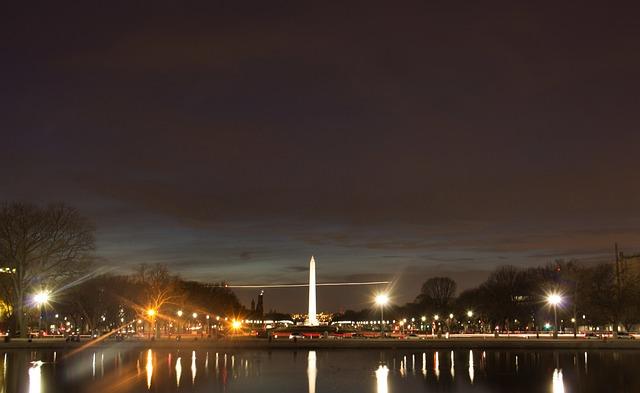
The newly refurbished reflecting pool on the National Mall—reopened this summer after a $14 million overhaul—has rapidly become a focal point of national controversy. Donald Trump has publicly acknowledged “real problems” at the site and attributed much of the damage to “vandalism,” injecting partisan heat into what many see as a broader failure of planning, maintenance and oversight. What was intended to be a showcase restoration beneath the Lincoln Memorial is now sparking wider questions: Who is responsible for safeguarding one of Washington DC’s most photographed spaces, how transparent is the process, and what does this dispute reveal about the way America cares for its monumental core?
Mounting criticism over reflecting pool renovation as Trump blames vandalism
Trump’s comments arrive at a moment of visible public disappointment. Visitors, local residents and preservation advocates argue that the expensive renovation has not lived up to promises of a more resilient, easier‑to‑maintain landmark. While the administration has leaned heavily on the narrative of “relentless vandalism” by a minority of visitors, watchdog groups counter that the problems reveal deeper flaws in project design, material choices and day‑to‑day oversight.
Stained walkways, recurring algae blooms, cracking stonework and inconsistent water clarity have been captured in online reviews, social media videos and advocacy reports. These images have helped cement a perception that the reflecting pool, despite its high-profile facelift, is sliding into a cycle of costly fixes and cosmetic patchwork. National Park Service officials maintain that the pool’s core infrastructure remains sound, but concede that “unanticipated wear and tear” is outstripping normal maintenance plans.
- Cost: $14 million in combined federal and donor funding
- Complaints: murky or discolored water, visible litter, surface erosion
- Official line: damage framed primarily as vandalism and misuse
- Public mood: rising skepticism about accountability and transparency
| Issue | Authority Response | Public Reaction |
|---|---|---|
| Water quality | Attributes problems to contaminants and vandalism | Demands clearer maintenance standards and testing data |
| Surface damage | Blames heavy foot traffic and visitor behavior | Calls for design review and more durable materials |
| Trash, graffiti | Pushes for stricter enforcement and penalties | Urges better staffing, lighting and outreach |
At the core of the dispute is a basic disagreement over responsibility for a national symbol. Trump emphasizes the role of a “small number of bad actors,” portraying the site’s troubles as a law‑and‑order problem. Conservation specialists and infrastructure experts, however, argue that the reflecting pool’s vulnerability was predictable given its design, the volume of visitors it attracts, climate pressures and chronic underfunding of routine upkeep. They contend that blaming vandalism alone obscures structural issues in how projects are scoped, monitored and maintained once the ribbon‑cutting is over.
As calls grow for a detailed review of contracts, design decisions and performance guarantees, the reflecting pool is increasingly seen as a case study in what happens when a marquee restoration—marketed as a long‑term solution—begins to falter in full public view.
Costly 14 million project raises transparency questions on maintenance planning and oversight
The $14 million renovation, backed by taxpayer dollars and private donations, is now drawing scrutiny for what critics call “front‑loaded” spending with “back‑end blind spots.” Although the project’s headline cost has been widely publicized, far less information is available about long‑term maintenance planning, inspection routines, or the contractual obligations of firms hired to install and protect the upgrades.
Preservation groups, fiscal watchdogs and civic organizations are pressing for a clearer picture of how funds were allocated and who, precisely, is accountable when deterioration appears so soon after a high‑stakes restoration. Questions increasingly center on whether the project baked in enough resources for preventive care, or whether it prioritized visible improvements at the expense of sustainability and resilience.
- No publicly detailed maintenance schedules for water treatment, cleaning or structural assessments
- Blurred lines of responsibility between federal agencies, subcontractors and security vendors
- Limited transparency around the cost of repair campaigns after incidents of damage or disruption
| Spending Area | Estimated Share | Oversight Clarity |
|---|---|---|
| Structural work | 45% | Partial documentation |
| Water systems | 30% | Limited public detail |
| Security & monitoring | 15% | Unclear protocols |
| Contingency & repairs | 10% | Not fully disclosed |
As administration officials emphasize vandalism as the leading cause of the latest setbacks, critics argue that the controversy exposes systemic gaps in how signature national landmarks are governed after the cameras move on. The lack of a clearly articulated maintenance roadmap, opaque contracting terms and minimal real‑time reporting have energized calls for stronger congressional oversight mechanisms, public‑facing performance dashboards and independent evaluations.
Across the country, similar debates are unfolding around high‑profile civic projects—from state capitol restorations to waterfront revivals—where large up‑front expenditures are not always matched by clear plans for long‑term care. The reflecting pool’s troubles, advocates say, offer a high‑visibility warning about the risks of treating infrastructure as a one‑time investment rather than an ongoing obligation.
Security gaps and visitor behavior at National Mall fuel ongoing damage and cleanup challenges
For the rangers, maintenance crews and security staff on the ground, the story is not just about budgets and blueprints. They describe a daily struggle shaped by limited enforcement tools, high visitor volume and shifting norms of public space behavior—especially in the era of social media.
The reflecting pool, which lacks permanent physical barriers and is patrolled intermittently, has effectively become a stage for selfies and viral videos. Tourists routinely step into the shallow water for dramatic photos, let children and pets splash along the edges, and leave disposable cups and food containers behind. Each of these small acts can quickly add up: sunscreen, spilled drinks and organic debris strain filtration systems, while unauthorized climbing and scraping accelerate erosion along the stone borders.
According to internal tracking by the National Park Service, misuse follows identifiable patterns. Spikes in litter, scratched surfaces and unauthorized drone flights tend to coincide with sunset crowds, large political gatherings, summer school trips and holiday weekends. This data is now being used to reassess staffing patterns, signage placement and the potential need for redesigned circulation routes.
- Common violations: wading, littering, graffiti, climbing on restricted areas
- Peak problem times: weekends, holidays, after dark and during major events
- High-risk groups: large tour groups, unsupervised teens, intoxicated visitors
| Issue | Typical Cause | Impact |
|---|---|---|
| Water contamination | Food, drinks, sunscreen, pet access | Algae blooms, cloudy water, unpleasant odors |
| Surface erosion | Climbing, scraping, repeated edge seating | Cracking stone, expensive repairs, safety risks |
| Trash buildup | Overflowing bins, scattered litter, large crowds | Delays in daily cleanup, pest problems, negative visitor impressions |
These challenges mirror trends across major urban parks and memorials. From New York’s Central Park to San Francisco’s Golden Gate National Recreation Area, managers report similar pressures: surging visitor numbers, understaffed maintenance teams and heightened expectations for cleanliness and access. In Washington, the reflecting pool has become an especially visible nexus of these tensions, with every new incident photographed and amplified online.
Experts urge stronger preservation measures clearer funding disclosure and community education
Heritage professionals and urban planners argue that the problems at the reflecting pool reveal a deeper, long‑running neglect of long‑term stewardship. They call for a shift from reactive, crisis‑driven fixes toward a comprehensive preservation framework with clearly defined roles, timelines and performance expectations.
Central to their proposals is a robust system of routine inspections, rapid repairs and public reporting that would make it much harder for emerging issues to be ignored. Preservation organizations stress that a landmark of this symbolic weight should be governed by transparent protocols: who inspects the site and how often, what standards are used, and which materials and methods are chosen to balance accessibility with durability over decades.
To build confidence, advocates want federal and local agencies to commit to published maintenance calendars, independent engineering assessments and regularly updated annual condition reports. In their view, these tools would not only strengthen physical preservation but also help depoliticize debates by grounding them in shared, verifiable data.
Money is another focal point. As with many high‑profile civic projects, questions have arisen about who finances upgrades, what strings (if any) are attached to major contributions, and how these relationships shape decisions about design, security and visitor amenities. Transparency advocates argue that an accessible record of funding sources, contracts and risk assessments—similar to open‑data portals some cities use for capital projects—could rebuild public trust and clarify where responsibility truly lies when problems emerge.
Alongside stronger oversight, community groups stress the importance of education and civic engagement. Their proposals include:
- On-site signage that explains the financial and environmental costs of damage and misuse
- School partnerships tying history and civics curricula to hands‑on lessons in preservation
- Regular public forums where residents can question officials, contractors and planners
- Volunteer stewardship programs that train local ambassadors to assist with outreach and light monitoring
| Priority Area | Proposed Action | Lead Stakeholder |
|---|---|---|
| Structural Care | Biannual engineering and safety reviews | National Park Service |
| Funding Transparency | Public, searchable budget and contract portal | Congressional and oversight committees |
| Public Engagement | Workshops, guided tours and civic dialogues | Local nonprofits and community partners |
Similar approaches have yielded results elsewhere. For example, multi‑stakeholder stewardship programs at historic sites in Boston and Philadelphia, combined with aggressive transparency initiatives, have helped stabilize maintenance backlogs and reduce vandalism. Experts say there is no reason the National Mall could not follow a comparable model, provided lawmakers, agencies and local communities commit to a shared plan.
In Summary
As officials assess the current damage and weigh further repairs and security enhancements, the reflecting pool has become more than a maintenance headache—it is now a proxy battle over how the nation treats its most prominent public spaces. The debate folds together questions of design, funding, enforcement, visitor behavior and political messaging, all concentrated around a single, highly symbolic stretch of water beneath the Lincoln Memorial.
With the National Park Service considering new preservation measures and critics scrutinizing both the $14 million price tag and the administration’s focus on vandalism, the controversy underscores just how much meaning Americans attach to Washington’s monumental landscape. For the moment, the reflecting pool remains both a literal mirror of the capital’s skyline and a figurative mirror of the tensions surrounding how the United States maintains, protects and interprets its most iconic public sites.