


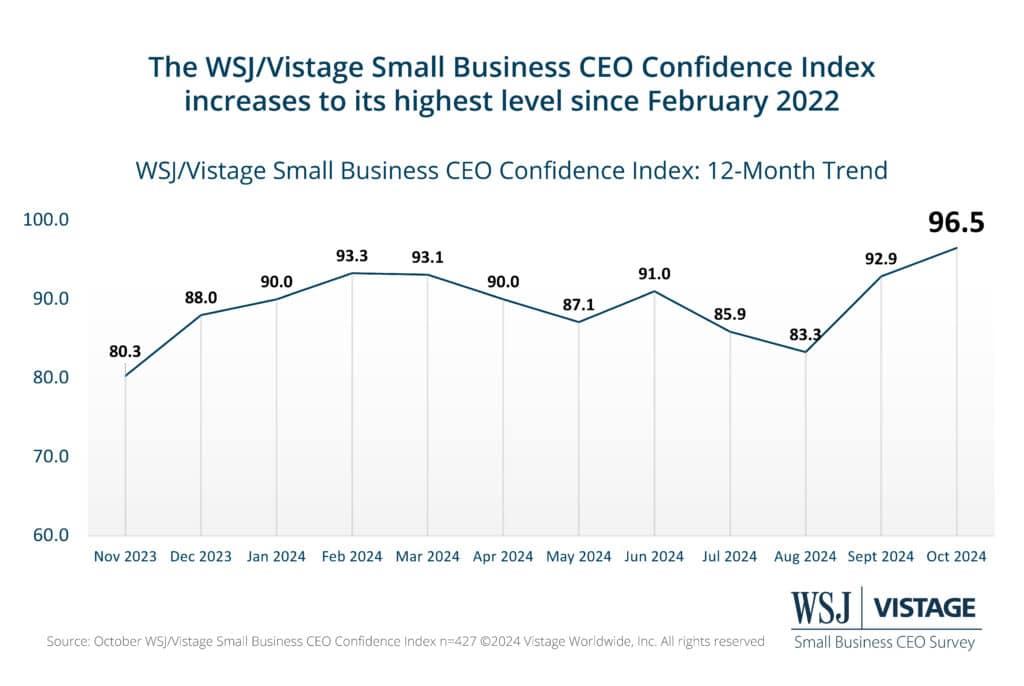
Declining Confidence Among US Small Businesses in February
In February, small business owners across the United States exhibited a noticeable drop in confidence, reflecting ongoing economic challenges and uncertainty. Recent findings from the National Federation of Independent Business (NFIB), as reported by Reuters, reveal that entrepreneurs are increasingly concerned about inflationary pressures, labor market constraints, and persistent supply chain issues. These factors collectively contribute to a less optimistic outlook for the sector that forms the backbone of the American economy.
Primary contributors to this sentiment shift include:
- Escalating inflation diminishing purchasing power
- Challenges in attracting and retaining qualified employees
- Volatile consumer demand prompting cautious spending
- Uncertainty surrounding regulatory changes impacting operations
| Confidence Metric | January | February | Difference |
|---|---|---|---|
| Overall Confidence Score | 89.4 | 86.2 | -3.2 |
| Hiring Intentions | 31% | 27% | -4% |
| Investment Plans | 23% | 20% | -3% |
| Profit Outlook | 35% | 31% | -4% |
Underlying Economic Pressures Affecting Small Businesses
The ongoing decline in small business optimism is primarily driven by intensifying economic headwinds that squeeze profit margins and complicate operations. Inflation remains elevated, pushing up costs for materials and everyday expenses, which in turn reduces disposable income for consumers and businesses alike. Supply chain bottlenecks continue to disrupt timely deliveries, increasing inventory costs and operational unpredictability.
Moreover, the Federal Reserve’s recent interest rate hikes, designed to tame inflation, have led to higher borrowing costs. This makes financing growth initiatives or managing cash flow more challenging for small enterprises. Key economic stressors include:
- Rising costs of inputs and labor
- Ambiguity in fiscal policies and inflation forecasts
- Fluctuating consumer spending patterns
- Stricter lending standards and reduced credit availability
| Economic Factor | Effect on Small Businesses |
|---|---|
| Inflation | Higher expenses erode profit margins |
| Interest Rates | Increased cost of loans and financing |
| Consumer Behavior | Demand unpredictability complicates planning |
| Supply Chain | Operational delays and increased costs |
Effects of Declining Confidence on Employment and Capital Investment
The waning confidence among small business owners is beginning to manifest in more cautious hiring and investment behaviors. Many proprietors are hesitant to expand their workforce or increase payrolls due to fears of weakening demand and rising operational expenses. This conservative approach could slow job creation and dampen overall economic momentum.
Similarly, capital expenditures are being deferred as businesses prioritize liquidity and operational stability over expansion. This trend risks stalling innovation and productivity gains, particularly in sectors heavily reliant on small enterprises. Influential factors shaping these decisions include:
- Tighter credit conditions as lenders become more risk-averse amid economic uncertainty.
- Softening consumer demand leading to cautious revenue projections.
- Escalating input costs compressing profit margins and limiting reinvestment capacity.
| Area of Impact | Current Trend | Possible Consequences |
|---|---|---|
| Employment | Hiring rates stagnate or decline | Slower job growth, potential rise in unemployment |
| Investment | Reduced capital spending | Delayed business expansion and innovation |
| Business Sentiment | Continued downward trajectory | Increased economic uncertainty |
Adaptive Strategies for Small Business Resilience in Volatile Times
To weather the current economic turbulence, small businesses must embrace flexibility and focus on strengthening their core operations. Effective cash flow management and lean operational practices are essential to withstand market fluctuations. Many companies are turning to digital transformation—utilizing automation and e-commerce platforms—to reduce costs and broaden customer reach. Building strong partnerships with suppliers and clients also helps stabilize business cycles and improve predictability.
Strategic risk management through diversification and workforce development is equally critical. Businesses that expand their product lines or explore new revenue channels are better positioned to absorb shocks. Investing in employee training to enhance versatility equips teams to adapt to changing demands. Below are practical recommendations for small businesses aiming to enhance their durability amid uncertainty:
- Maintain healthy cash reserves to navigate unexpected disruptions.
- Implement flexible business models that allow rapid adjustments in supply chains and sales strategies.
- Leverage technology to automate processes and engage customers digitally.
- Foster collaborative networks within local business ecosystems to share resources and insights.
- Continuously update contingency plans to reflect evolving economic realities.
| Focus Area | Recommended Action | Anticipated Benefit |
|---|---|---|
| Cash Flow | Enforce strict budgeting and monitor liquidity regularly | Enhanced financial resilience |
| Customer Relations | Strengthen online presence and personalize customer interactions | Greater customer retention and loyalty |
| Product Development | Adapt or diversify offerings to meet shifting market needs | Broadened revenue base |
Summary and Outlook
As small business confidence continues to wane in February, the sector faces ongoing challenges from inflation, labor shortages, and supply chain disruptions. These headwinds are likely to persist in the near term, prompting cautious behavior among entrepreneurs. Policymakers and industry stakeholders will be closely watching these trends, as small business sentiment remains a vital indicator of the broader U.S. economic health. Continued coverage and analysis will be essential to understanding how this critical segment adapts and recovers.