




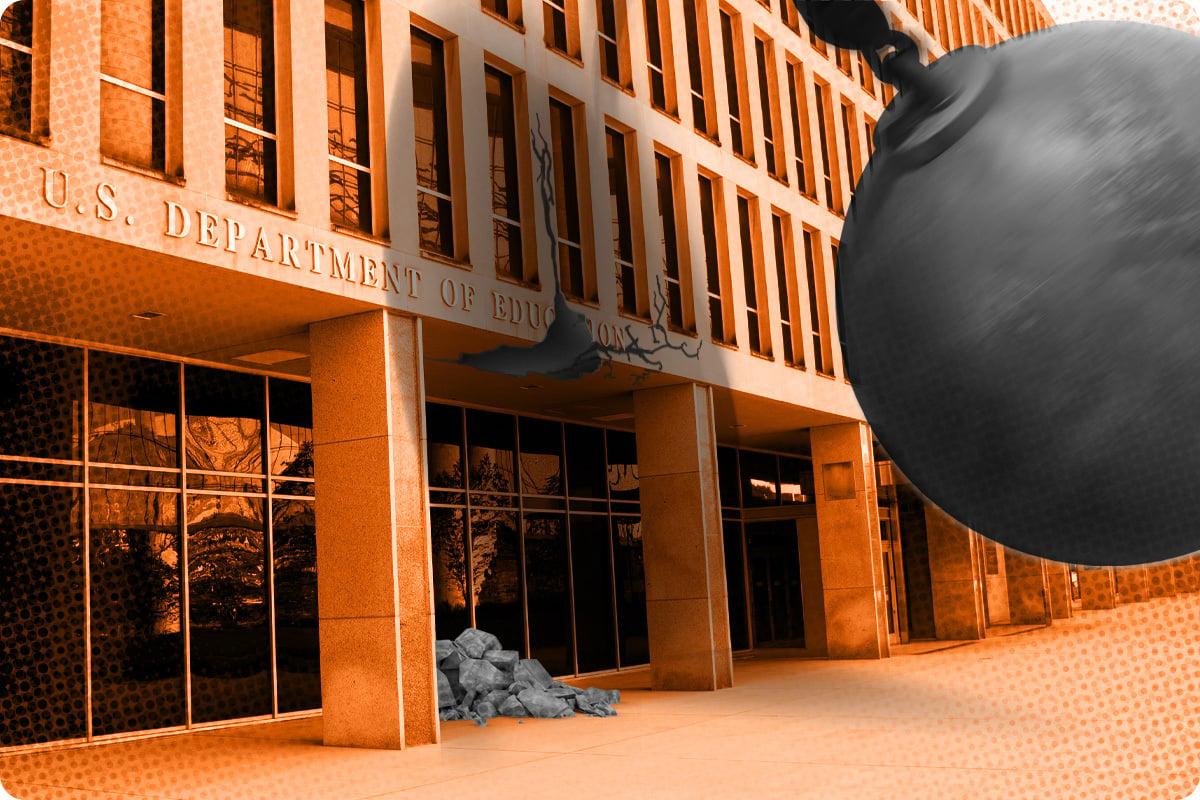
Reimagining Student Loan Management: The Implications of Dissolving the Department of Education
The prospect of shuttering the U.S. Department of Education represents a profound transformation in the administration of federal student loans and higher education financing. As policymakers debate the merits of restructuring or eliminating this pivotal agency, critical questions arise regarding the stewardship of trillions in outstanding student debt, the preservation of borrower safeguards, and the continuity of financial aid initiatives. This analysis delves into the multifaceted repercussions such a decision could have on borrowers, students, and the educational infrastructure at large, offering a fresh perspective on one of the most contentious topics in contemporary education policy.
Disruptions in Federal Student Loan Servicing and Repayment Systems
Eliminating the Department of Education would profoundly unsettle the intricate framework that currently governs student loan servicing and repayment. Presently, millions of borrowers depend on federally managed systems to oversee their loan accounts, modify repayment schedules, and access relief programs such as loan forgiveness or payment deferments. The absence of a unified federal body risks fragmenting these services, potentially causing confusion in payment processing, account tracking, and eligibility assessments. While private entities might attempt to bridge this gap, the lack of standardized protocols could lead to increased errors, diminished borrower protections, and a more opaque repayment experience.
Anticipated challenges include:
- Payment processing interruptions: Borrowers could encounter delays or misallocated payments without centralized oversight.
- Elimination of income-driven repayment options: Tailored repayment plans may disappear, compelling many to default to rigid, unaffordable fixed payments.
- Reduction in borrower assistance: Access to counseling services and dispute resolution mechanisms may become scarce.
- Rising administrative expenses: The loss of federal scale economies could increase servicing costs, indirectly burdening borrowers.
| Repayment Feature | Current Federal Management | Possible Scenario Post-Closure |
|---|---|---|
| Loan Payment Processing | Centralized, automated system | Decentralized with potential delays |
| Income-Driven Repayment Plans | Standardized eligibility and adjustments | Limited or discontinued availability |
| Borrower Support Services | Federal counselors and resources | Fragmented and inconsistent assistance |
| Loan Forgiveness Programs | Federally administered and verified | Uncertain continuation or termination |
Challenges for Borrowers Experiencing Financial Strain and the Future of Forgiveness Programs
Individuals grappling with financial difficulties could face heightened obstacles if the Department of Education ceases operations. The federal government currently administers critical relief mechanisms such as income-driven repayment plans, forbearances, and deferments that provide essential breathing room for borrowers during economic hardships. Without centralized governance, these programs risk becoming inconsistent or inaccessible, leaving many unable to manage their loan obligations effectively. Furthermore, communication channels and dispute resolution processes between borrowers and loan servicers may degrade, undermining transparency and borrower rights.
Primary risks for financially vulnerable borrowers include:
- Interruption of access to income-based repayment options
- Potential lapses in loan forgiveness eligibility assessments
- Confusion and delays in applying for hardship-related deferments and forbearances
- Elevated default rates due to fragmented borrower support
| Program | Function | Risk Without Department of Education |
|---|---|---|
| Public Service Loan Forgiveness (PSLF) | Forgives loans for qualifying public service employment | Disruptions in certification and delayed forgiveness processing |
| Income-Driven Repayment Plans | Adjusts payments based on borrower income | Uncertainty in eligibility verification and payment adjustments |
| Temporary Hardship Forbearance | Pauses payments during financial crises | Inconsistent availability and application |
Redistribution of Oversight: Which Agencies Could Take the Helm?
Should the Department of Education be dismantled, the responsibility for managing and regulating federal student aid programs would likely be divided among various federal agencies. Potential candidates include the Treasury Department, the Consumer Financial Protection Bureau (CFPB), and the Social Security Administration (SSA). However, this dispersal of authority could complicate program administration, delay necessary reforms, and create confusion for borrowers seeking assistance.
Concerns associated with this fragmentation include:
- Absence of a singular entity to enforce compliance and oversee lender conduct
- Inconsistent policy application across multiple agencies
- Increased bureaucratic complexity hindering borrower outreach and support
| Agency | Potential Responsibilities | Challenges |
|---|---|---|
| Treasury Department | Oversight of loan servicing and repayment | Limited expertise in education-specific programs |
| Consumer Financial Protection Bureau | Enforcement of borrower protections | Resource limitations amid broad regulatory scope |
| Social Security Administration | Verification of borrower eligibility and income | Operational strain from expanded duties |
Strategies from Experts to Safeguard Borrowers Post-Department of Education
Industry leaders advocate for the creation of a dedicated federal oversight entity focused exclusively on student loan servicing and forgiveness to maintain transparency and accountability in a post-Department of Education environment. Additionally, education advocates recommend bolstering borrower education initiatives at the state level to provide clear, accessible guidance on repayment options and protections.
Experts also propose a comprehensive approach that includes:
- Enhancing consumer protection legislation to combat predatory lending within the private student loan sector.
- Mandating automatic enrollment in income-driven repayment plans to reduce default rates and alleviate financial stress.
- Expanding data-sharing frameworks among loan servicers, federal agencies, and nonprofit organizations to facilitate timely borrower assistance.
| Recommendation | Anticipated Outcome | Responsible Party |
|---|---|---|
| Independent Oversight Agency | Improved transparency and accountability | Federal Government |
| Mandatory Income-Driven Repayment Enrollment | Lower default rates and financial hardship | Loan Servicers |
| Strengthened Consumer Protection Laws | Reduced predatory lending risks | State Regulators |
Final Thoughts: Navigating the Future of Student Loan Administration
As debates over the Department of Education’s future persist, the stakes for student loan borrowers remain exceptionally high. Dissolving this agency could trigger widespread disruptions in loan servicing, forgiveness initiatives, and regulatory oversight, affecting millions of Americans striving to manage their educational debt. Stakeholders emphasize the necessity of deliberate, informed policymaking that safeguards borrowers’ financial well-being and preserves access to higher education. This ongoing discourse highlights the delicate equilibrium between streamlining government functions and maintaining robust support systems for those navigating the complexities of student loans.


