




Federal Law Enforcement Deployment in Washington, D.C.: Legal, Ethical, and Community Implications
Controversial Federal Agent Deployment Under Trump Administration
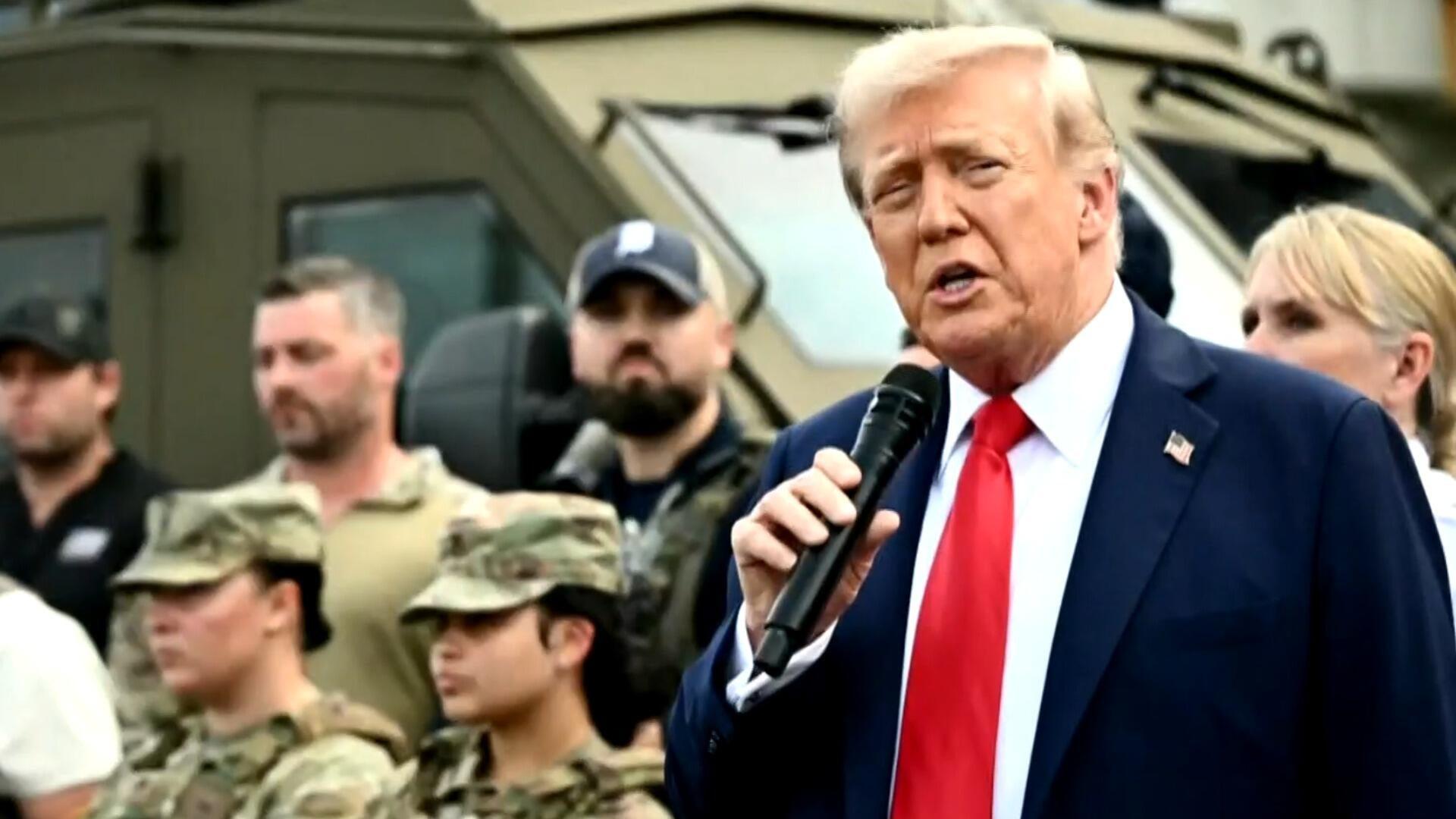
During the summer of widespread protests, the Trump administration authorized the deployment of federal law enforcement officers to Washington, D.C., igniting a nationwide debate about the limits of federal authority and the protection of civil rights. This unprecedented federal presence, characterized by agents operating in unmarked vehicles and without clear identification, raised significant concerns regarding potential infringements on constitutional protections, particularly the First Amendment’s right to peaceful assembly and the Fourth Amendment’s safeguards against unreasonable searches and seizures.
Critics questioned the legal basis for such actions, noting a lack of coordination with local authorities and ambiguous jurisdictional claims. The administration justified the deployment as essential for safeguarding federal property and restoring public order. However, civil liberties organizations highlighted several troubling issues:
- Unclear legal authority: The federal government’s jurisdiction over protest areas was contested, leading to multiple legal challenges.
- Inconsistent use of force: Reports surfaced of disproportionate and sometimes aggressive tactics against largely peaceful demonstrators.
- Opaque communication: Local officials were frequently excluded from operational briefings, undermining trust and cooperation.
| Dimension | Federal Agents’ Approach | Local Authorities’ Position |
|---|---|---|
| Justification | Protection of federal landmarks and property | Advocated for collaborative strategies and dialogue |
| Identification | Use of unmarked uniforms and vehicles | Demanded transparency and clear agent identification |
| Legal Response | Faced numerous lawsuits challenging deployment legality | Supported protesters’ constitutional rights |
Effects on Local Governance and Community Trust
The federal intervention disrupted established governance frameworks in Washington, D.C., straining relationships between city officials and law enforcement agencies. The influx of federal personnel, often operating independently of local oversight, led to jurisdictional conflicts and diminished the authority of elected leaders. This breakdown in communication complicated efforts to maintain public safety during a period marked by civil unrest.
Residents and community organizations perceived the federal presence as an intimidating display of force, which exacerbated tensions rather than alleviating fears. In response, grassroots groups mobilized to demand:
- Greater transparency regarding federal operational goals and tactics
- Protection of civil liberties with strict limits on the use of force
- Improved coordination between federal and local law enforcement agencies
| Group | Primary Concern | Response |
|---|---|---|
| Mayor’s Office | Encroachment on local authority | Issued formal complaints and public statements |
| Federal Agencies | Maintaining law and order | Increased patrols and arrests in protest zones |
| Community Organizations | Defense of civil rights | Organized demonstrations and pursued legal action |
Legal Framework Underpinning Federal Enforcement Actions
The federal government’s justification for deploying law enforcement in D.C. rested on several key statutes, each with distinct implications for the scope of federal power. Central among these were the Insurrection Act of 1807 and the Posse Comitatus Act, which together define the conditions under which military and federal forces may intervene in domestic affairs.
These laws, however, sparked intense debate over their interpretation and application:
- Insurrection Act: Grants the president authority to deploy military forces to quell civil unrest and insurrections.
- Posse Comitatus Act: Restricts the use of the military in civilian law enforcement, except where explicitly authorized by Congress.
- National Emergencies Act: Allows the president to declare a national emergency, unlocking special powers for federal agencies.
- Title 10 and Title 32 of the U.S. Code: Outline the roles and limitations of military forces in domestic operations.
| Statute | Main Provision | Function in Enforcement |
|---|---|---|
| Insurrection Act | Authorizes military deployment to suppress rebellion | Legal basis for federal troop involvement |
| Posse Comitatus Act | Limits military participation in civilian law enforcement | Raised questions about legality of federal actions |
| National Emergencies Act | Enables emergency declarations to expand federal powers | Facilitated broader enforcement authority |
| Title 10/32 U.S. Code | Defines military roles and restrictions domestically | Guides operational parameters for federal forces |
Advocacy for Transparency and Regulatory Oversight
In light of the contentious federal law enforcement activities, there is a growing movement among legislators and civil rights advocates calling for stringent transparency measures and clear regulatory frameworks. The unchecked deployment of federal agents has raised alarms about potential overreach and the erosion of constitutional freedoms.
Proposed reforms focus on several critical areas:
- Comprehensive reporting: Public disclosure of federal law enforcement deployments and their outcomes.
- Independent oversight: Establishment of review bodies to monitor agency conduct and address grievances.
- Jurisdictional clarity: Clear definitions of federal versus local law enforcement authority to prevent conflicts.
- Community involvement: Inclusion of local stakeholders in policy development and operational planning.
These initiatives aim to rebuild public confidence and ensure that federal interventions respect constitutional rights while effectively maintaining public safety. Recent studies analyzing the D.C. deployments underscore the urgency of aligning enforcement policies with democratic principles.
| Recommendation | Objective |
|---|---|
| Annual Transparency Reports | Document federal law enforcement activities and impacts |
| Independent Oversight Committees | Ensure accountability and address misconduct |
| Clear Jurisdictional Boundaries | Prevent authority overlaps and conflicts |
| Community Advisory Boards | Promote local input and transparency |
Conclusion: Navigating the Balance Between Security and Rights
The deployment of federal law enforcement agents in Washington, D.C. during the Trump administration remains a defining episode in the ongoing discourse about federal power and civil liberties. This comprehensive review highlights the multifaceted legal, ethical, and social challenges posed by such interventions. As the nation reflects on these events, policymakers and citizens alike face the critical task of crafting frameworks that uphold constitutional protections while ensuring public safety in times of unrest. The lessons learned from this period will undoubtedly influence future approaches to federal involvement in local law enforcement matters.


