

Trump Aims to Seize Governance of Washington D.C.
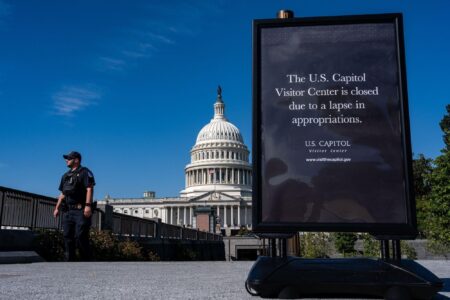
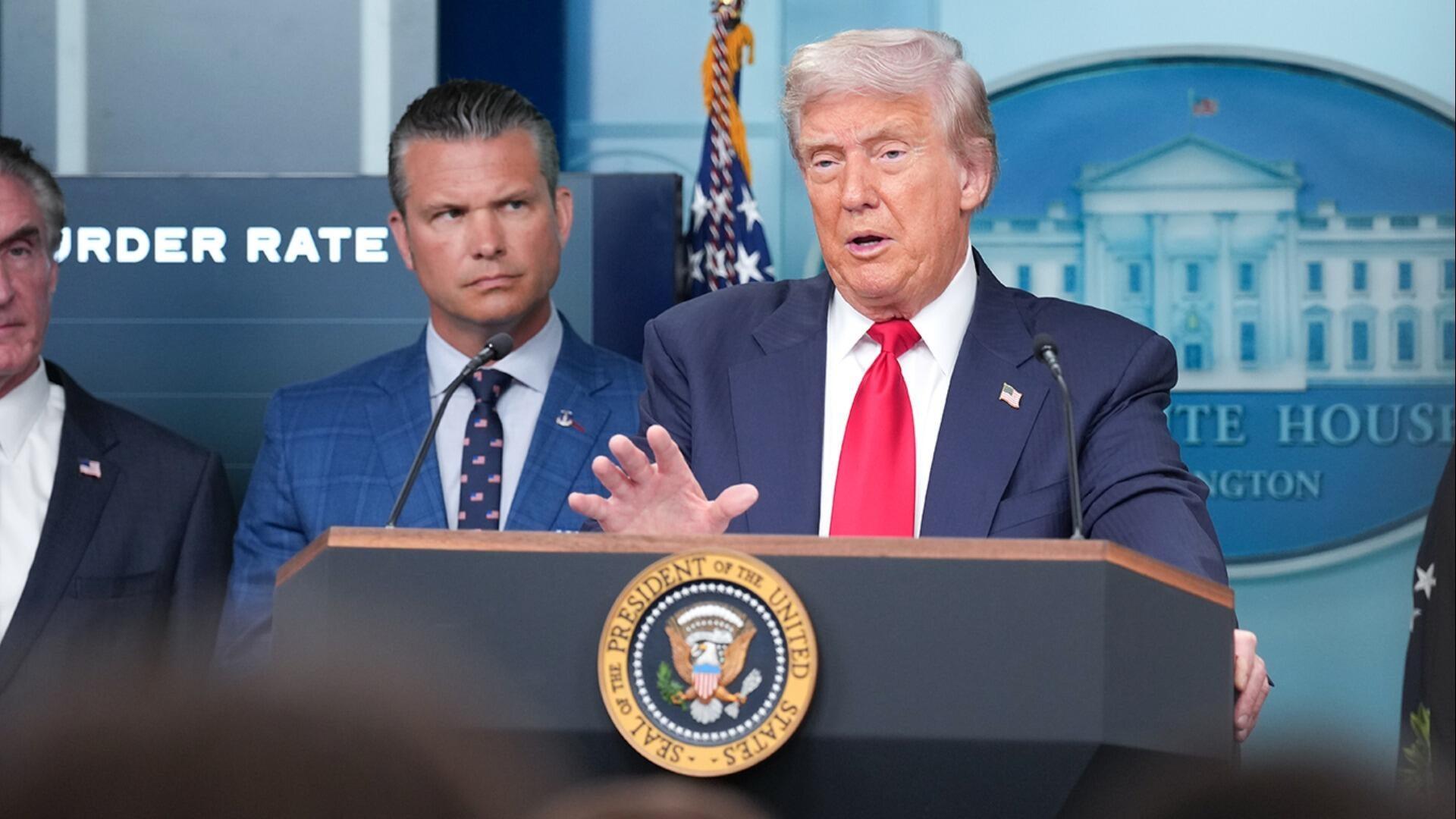
Former President Donald Trump has recently indicated intentions to take a more direct role in managing Washington D.C.’s government. Through a series of pointed statements, he criticized the current city leadership, implying that his involvement could lead to substantial reforms in administrative practices and policy enforcement. This bold proposition brings to light the complex constitutional interplay between federal oversight and the District’s local self-governance, a topic that remains contentious given D.C.’s distinctive political status.
Simultaneously, Trump intensified his criticisms of New York’s municipal administration, where he holds significant business interests. His remarks underscore several pressing concerns he believes require immediate federal attention:
- Financial Oversight: Allegations of misallocated budgets undermining essential public services.
- Crime Control Strategies: Advocacy for tougher law enforcement to combat escalating crime.
- Federal Supervision: Calls for enhanced federal authority over local decision-making processes.
| Focus Area | Trump’s Stance | Expected Outcome |
|---|---|---|
| Budget Management | Federal oversight | Reallocation of resources |
| Crime Reduction | Stricter policies | Potential decline in criminal activity |
| Governance Authority | Supersede local control | Altered power structure |
Escalating Critique of New York Administration Amid Federal Intervention Discussions
Political tensions have surged as scrutiny over New York City’s leadership intensifies. Federal authorities are reportedly considering intervention due to ongoing concerns about administrative inefficiencies and persistent public safety challenges. Critics contend that leadership shortcomings have fostered operational dysfunction and diminished public confidence, fueling demands for increased federal oversight to restore accountability.
This situation has ignited broader conversations about governance standards in major metropolitan areas, drawing parallels with the unique challenges faced by Washington D.C. Key issues driving the debate include:
- Claims of fiscal irresponsibility affecting essential city services
- Growing crime rates and difficulties in law enforcement
- Perceived disconnect between leadership and community needs
- Potential expansion of federal oversight powers
| Concern | Current Effects | Possible Federal Measures |
|---|---|---|
| Financial Deficits | Halted infrastructure projects | Compulsory fiscal audits |
| Public Safety | Spike in violent incidents | Joint federal-local law enforcement efforts |
| Community Trust | Declining civic engagement | Implementation of transparency initiatives |
Constitutional and Political Challenges of Federal Intervention in D.C.
The prospect of federal takeover in Washington D.C.’s governance raises profound constitutional and political dilemmas. Given the District’s unique status under federal jurisdiction, any executive attempt to override local government functions tests the boundaries of home rule and separation of powers. Opponents warn that such actions could erode local autonomy, weaken democratic representation, and establish a precedent for federal encroachment into other municipalities. This debate also spotlights the ongoing tension between Congress’s constitutional authority over D.C. and the city’s aspirations for statehood and self-determination.
Politically, the idea of federal intervention deepens partisan divides both within the capital and across the nation. Proponents argue that intervention is necessary to restore effective governance and public safety, while critics view it as an infringement on local electoral rights. This clash could intensify political polarization, provoke legal disputes, and influence broader discussions on urban governance. The table below outlines the key legal and political considerations:
| Dimension | Consequences | Stakeholder Views |
|---|---|---|
| Constitutional Jurisdiction | Balancing federal authority with local self-rule | Federal Officials: Favor intervention D.C. Leaders: Oppose loss of control |
| Democratic Rights | Effect on residents’ governance participation | Local Citizens: Demand autonomy National Politicians: Divided opinions |
| Political Stability | Risk of heightened polarization and unrest | Opposition Parties: Warn against authoritarianism Governing Party: Supports oversight |
- Legal disputes over federal intervention are anticipated to escalate through the judicial system, potentially culminating in Supreme Court decisions that will define the balance between federal supremacy and local governance rights.
- Congressional involvement will be crucial, as any structural changes to D.C.’s administration likely require legislative approval, which may be complicated by partisan gridlock.
- Public opinion both within the District and nationwide will play a significant role in shaping the political consequences and future federal-local relations.
Recommendations for Enhanced Collaboration to Resolve Federal-Local Conflicts
In response to the ongoing debate about federal involvement in Washington D.C.’s governance, experts stress the importance of strengthening oversight frameworks that respect local autonomy while ensuring accountability. Legal scholars caution that abrupt federal takeovers risk deepening conflicts and undermining democratic institutions. Instead, they propose establishing consistent communication channels between federal and local authorities to promote cooperative governance and conflict resolution.
Key strategies recommended include:
- Regular intergovernmental meetings to transparently address jurisdictional disputes
- Independent arbitration panels to mediate disagreements between federal and local entities
- Clear legislative guidelines defining the scope and limits of federal intervention in municipal affairs
| Participant | Function | Suggested Role |
|---|---|---|
| Federal Authorities | Oversight and Policy Enforcement | Define boundaries and uphold local governance rights |
| Local/District Officials | Municipal Administration | Engage constructively with federal bodies to resolve conflicts |
| Neutral Mediators | Conflict Resolution | Facilitate impartial dialogue and review processes |
Final Thoughts on Federal-Local Power Dynamics
As debates over federal oversight versus local self-governance intensify, former President Donald Trump’s contemplation of assuming control over Washington D.C.’s government represents a pivotal moment in his political trajectory. His pointed critiques of New York’s leadership further highlight the regional frictions shaping national political discourse. Moving forward, the responses from policymakers, legal institutions, and the public will be critical in determining how the balance of power between federal and local authorities evolves in the United States.