

Netanyahu Engages in Strategic Dialogue with U.S. Amid Gaza Crisis
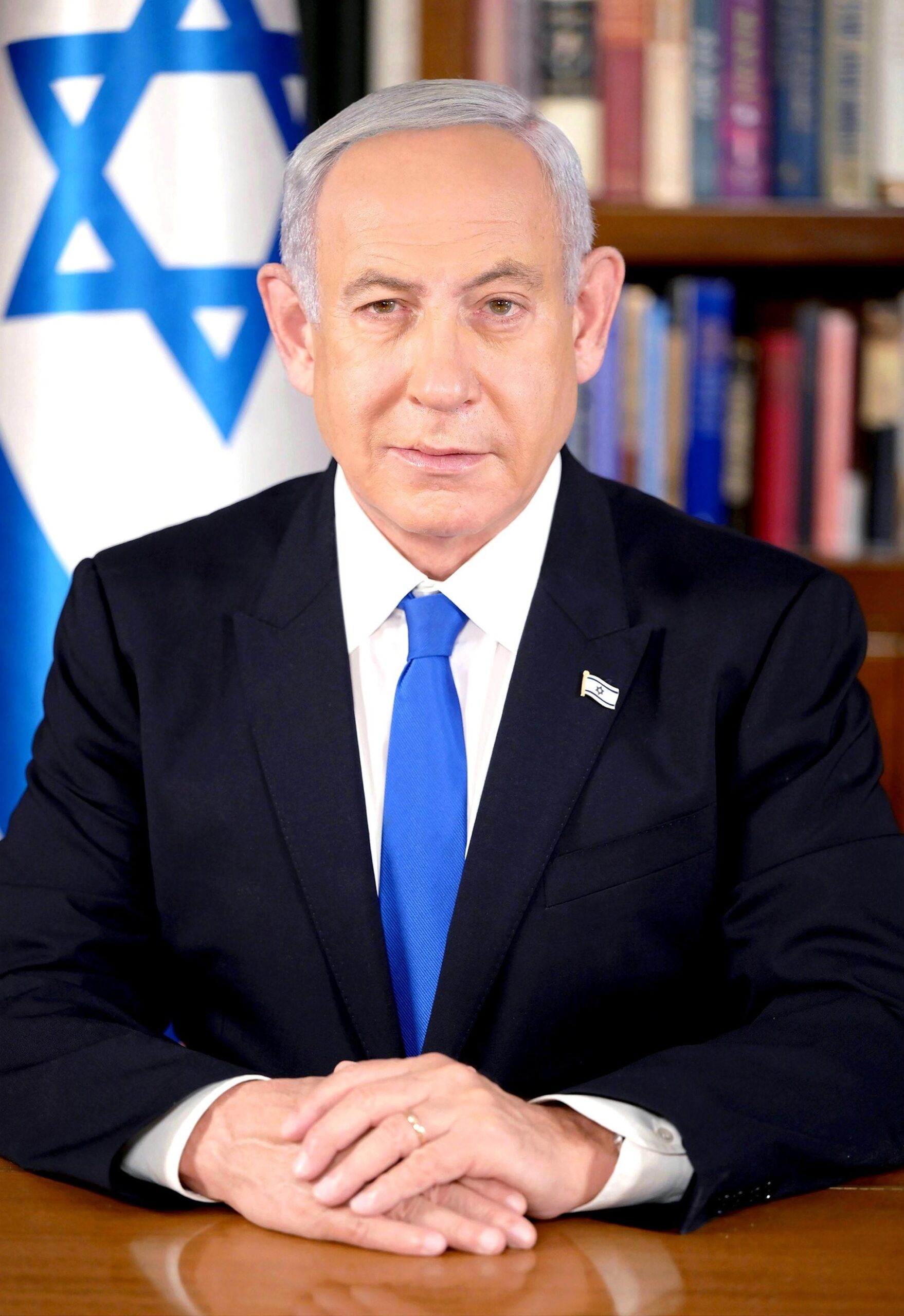
Israeli Prime Minister Benjamin Netanyahu recently held pivotal discussions with top U.S. officials in Washington as the Gaza conflict intensifies. These talks centered on aligning strategies to de-escalate violence, with the Trump administration stressing the urgent necessity of a ceasefire to curb civilian casualties. Insider reports reveal that the conversations also explored the establishment of humanitarian corridors and the possibility of international oversight to ensure adherence to any ceasefire terms.
The primary topics covered during these meetings included:
- Immediate halt to hostilities: Enabling safe passage for humanitarian aid.
- Security assurances: Protecting Israeli security interests while addressing Palestinian humanitarian concerns.
- Frameworks for lasting peace: Developing diplomatic initiatives aimed at preventing future flare-ups.
Officials emphasized the delicate task of balancing Israel’s right to defend itself with growing global appeals for restraint. Navigating this intricate geopolitical environment, the outcomes of these talks are viewed as a crucial juncture for regional peace prospects.
| Issue | U.S. Perspective | Israeli Position |
|---|---|---|
| Ceasefire Timing | Immediate and unconditional | Dependent on security guarantees |
| Humanitarian Access | Unrestricted aid delivery | Controlled and monitored access |
| Security Measures | Support for joint patrols | Strengthened border enforcement |
U.S. Diplomatic Push Intensifies to End Gaza Violence
Amid rising tensions in the Middle East, the Trump administration has ramped up its diplomatic efforts to broker a ceasefire in Gaza. Senior U.S. officials conducted consecutive meetings with Prime Minister Netanyahu during his Washington visit, highlighting the administration’s urgent commitment to halting hostilities. The approach seeks to balance restoring peace with safeguarding Israel’s security imperatives. Key demands articulated include:
- Immediate cessation of rocket attacks originating from Gaza
- Guarantees for humanitarian aid corridors to assist Gaza’s civilian population
- Recognition and support of Israel’s right to self-defense
- Collaboration with regional partners to bolster peace initiatives
Beneath these public statements lies a comprehensive strategy aimed not only at de-escalating the current crisis but also at fostering long-term regional stability. Analysts observe that the administration is engaging in discreet dialogues with key Middle Eastern actors, combining overt diplomacy with back-channel communications. The table below summarizes the contrasting positions as ceasefire negotiations advance:
| Stakeholder | Ceasefire Preconditions | Core Concerns |
|---|---|---|
| Israel | Disarmament of militant factions | National security and border integrity |
| Palestinian Groups | End of blockades and release of detainees | Humanitarian relief and political recognition |
| U.S. Government | Mutual ceasefire and ongoing negotiations | Regional peace and counterterrorism efforts |
Impact of U.S.-Israel Collaboration on Regional Stability
The recent high-level engagements between Prime Minister Netanyahu and U.S. officials mark a defining moment in the bilateral relationship, as both countries seek to recalibrate their approach to the Israeli-Palestinian conflict. The Trump administration’s amplified call for a Gaza ceasefire reflects a nuanced strategy that combines diplomatic pressure with military deterrence. This partnership carries significant implications not only for the immediate humanitarian crisis but also for the broader geopolitical equilibrium in the Middle East.
Key strategic outcomes anticipated include:
- Revitalization of U.S. regional influence: Demonstrating Washington’s renewed commitment to mediating Middle Eastern conflicts after a period of relative disengagement.
- Enhanced security cooperation: Strengthening intelligence exchange and joint defense planning to counter threats from non-state actors in Gaza and neighboring areas.
- Shaping regional alliances: Signaling to Gulf Cooperation Council nations and other neighbors the U.S.’s steadfast support for Israel’s security, potentially influencing future diplomatic alignments.
| Strategic Dimension | Expected Impact |
|---|---|
| Diplomatic Initiatives | Diminished conflict intensity and improved ceasefire prospects |
| Military Partnership | Heightened defense readiness and swift operational response |
| Regional Dynamics | Altered power balances and strengthened alliances |
Pathways for Ongoing Diplomacy and Humanitarian Support
Following the recent high-level exchanges between Netanyahu and U.S. officials, a comprehensive, multi-dimensional strategy is vital to secure enduring peace and effective humanitarian relief in Gaza. Continuous diplomatic engagement should emphasize inclusive negotiations involving regional stakeholders and international mediators to address security challenges while fostering stability. Building trust through transparent dialogue, regular summitry, and leveraging multilateral platforms can generate momentum toward a sustainable ceasefire.
- Foster regional collaboration: Engage neighboring states in peacebuilding to enhance security assurances and stimulate economic recovery.
- Empower UN and humanitarian organizations: Coordinate with global aid agencies to streamline assistance delivery and monitor ceasefire adherence.
- Support reconstruction efforts: Direct funding toward rebuilding critical infrastructure with stringent oversight to prevent misuse.
On the humanitarian front, prioritizing rapid distribution of essential supplies—such as medical equipment, food, clean water, and shelter—is crucial to mitigate civilian suffering amid ongoing hostilities. Establishing well-protected humanitarian corridors, backed by international guarantees, will facilitate uninterrupted access to vulnerable populations. Moreover, transparent data sharing between governments and relief organizations will ensure aid reaches those most in need, while empowering local communities to participate actively in recovery initiatives.
| Initiative | Lead Organizations | Anticipated Results |
|---|---|---|
| Creation of humanitarian corridors | United Nations, International Red Cross, Host Nations | Reliable and secure delivery of aid |
| Multilateral ceasefire talks | U.S., Israel, Regional Allies, UN | Termination of violence and durable peace agreements |
| Oversight of reconstruction projects | International Donors, NGOs, Local Governments | Transparent rebuilding and community stabilization |
Conclusion
As the situation evolves, Prime Minister Netanyahu’s engagements with U.S. leadership highlight the intricate challenges involved in negotiating a Gaza ceasefire. With the Trump administration deeply involved in diplomatic efforts, global observers remain cautiously optimistic about progress toward a lasting resolution. Continued monitoring and analysis will be essential to understanding the broader implications for peace and stability in the Middle East.