


Reimagining Arts Education: Allied Works Architecture’s Revitalization of Booker T. Washington School
Transforming a Historic Arts Institution into a Cutting-Edge Creative Hub
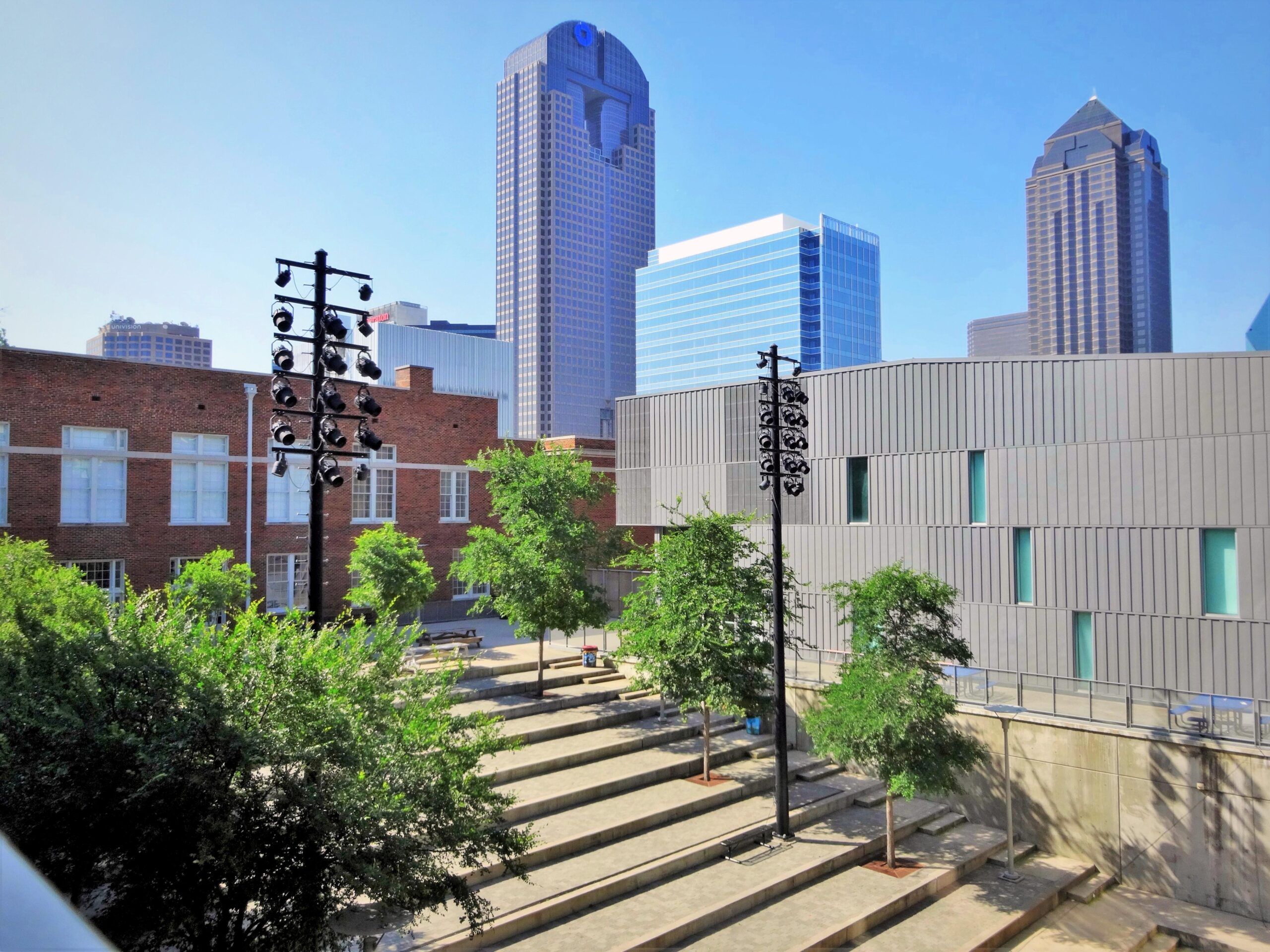
The Booker T. Washington School for Performing and Visual Arts in Dallas has undergone a remarkable transformation led by the globally recognized Allied Works Architecture. This extensive redesign redefines the school’s role as a premier center for arts education by merging contemporary architectural innovation with its deep-rooted cultural heritage. According to insights from World-Architects, the renovation not only cultivates an environment that nurtures artistic creativity and teamwork but also breathes new life into the surrounding urban landscape. This article delves into how Allied Works has crafted a visionary educational space that serves as a benchmark for modern arts facilities.
Innovative Spatial Design: Fostering Creativity and Collaboration
Allied Works’ approach centers on creating versatile, inspiring environments that break down traditional educational barriers. The design features expansive, open-plan studios that encourage spontaneous interaction among students and educators, promoting a vibrant exchange of ideas across disciplines. Large glass facades and strategically positioned skylights maximize natural illumination, enhancing the creative atmosphere while reducing energy consumption. Adaptable furnishings and movable walls allow spaces to seamlessly transition between rehearsal areas, galleries, and classrooms, accommodating the evolving needs of diverse artistic practices.
Technology integration plays a pivotal role, with dedicated digital media zones enabling students from various art forms to collaborate on multimedia projects. The design also includes intimate breakout rooms for focused critiques and mentorship, supporting personalized learning experiences.
- Multipurpose performance venues equipped with advanced lighting and sound technology
- Specialized maker spaces encouraging interdisciplinary experimentation
- Flexible breakout areas designed for small group collaboration and feedback
| Design Element | Creative Impact | Collaborative Benefit |
|---|---|---|
| Open Studio Layouts | Encourages impromptu creative exchanges | Supports integration across artistic disciplines |
| Technology-Enabled Collaboration Zones | Facilitates multimedia project development | Enables real-time teamwork and feedback |
| Modular and Adaptable Spaces | Accommodates diverse artistic activities | Allows flexible event hosting and programming |
Setting New Benchmarks in Sustainable Educational Architecture
The renovation of Booker T. Washington School exemplifies how sustainability can be seamlessly integrated into educational design without compromising artistic inspiration. Allied Works incorporated numerous eco-friendly features that reduce environmental impact while enhancing occupant well-being. These include a green roof that improves insulation and manages stormwater, solar panels supplying a significant portion of the school’s electricity, and rainwater harvesting systems that halve outdoor water consumption. The use of locally sourced, recycled, and renewable materials further underscores the project’s commitment to ecological responsibility.
Advanced passive ventilation systems optimize indoor air quality and energy efficiency, while smart lighting adjusts automatically based on occupancy and daylight availability. The design also blurs the boundaries between indoor and outdoor learning environments, encouraging students to engage with nature as part of their creative process.
- Energy-efficient passive ventilation enhancing air circulation
- Recycled and sustainable materials used throughout construction
- Seamless integration of indoor and outdoor creative spaces
- Adaptive lighting systems reducing energy consumption
| Eco-Friendly Feature | Advantage | Environmental Impact |
|---|---|---|
| Green Roof | Improves thermal regulation and manages runoff | Decreases heating and cooling energy use by 20% |
| Solar Energy System | Generates clean, renewable power | Provides approximately 40% of annual electricity needs |
| Rainwater Collection | Conserves water resources | Reduces outdoor water demand by 50% |
Guidelines for Future Arts Education Facilities Inspired by Allied Works’ Vision
Drawing from the innovative strategies employed in the Booker T. Washington School project, future arts education centers should prioritize adaptability and sustainability to meet the evolving demands of creative disciplines. Designing multipurpose spaces that accommodate both visual and performing arts encourages collaboration while respecting individual artistic expression. Emphasizing natural light, acoustic excellence, and environmentally responsible materials enhances both productivity and sensory engagement.
Essential design principles include:
- Reconfigurable studios and performance halls to support diverse programming
- Transparent circulation routes that foster spontaneous interactions
- Shared communal areas that integrate academic, social, and exhibition functions
- Outdoor creative zones that extend learning beyond traditional classrooms
| Feature | Advantage |
|---|---|
| Adaptable Performance Spaces | Accommodates multiple art forms with scalable seating options |
| Use of Natural Materials | Creates inviting, sustainable environments |
| Design Transparency | Encourages interdisciplinary collaboration |
Final Thoughts
The Allied Works Architecture redesign of the Booker T. Washington School for Performing and Visual Arts stands as a pioneering example of how educational spaces can be thoughtfully reimagined to support artistic innovation and community engagement. By harmonizing advanced design techniques with sustainability and cultural heritage, this project not only elevates the school’s infrastructure but also sets a new paradigm for arts education facilities worldwide. As highlighted by World-Architects, such visionary initiatives promise a vibrant future for creative learning environments.