



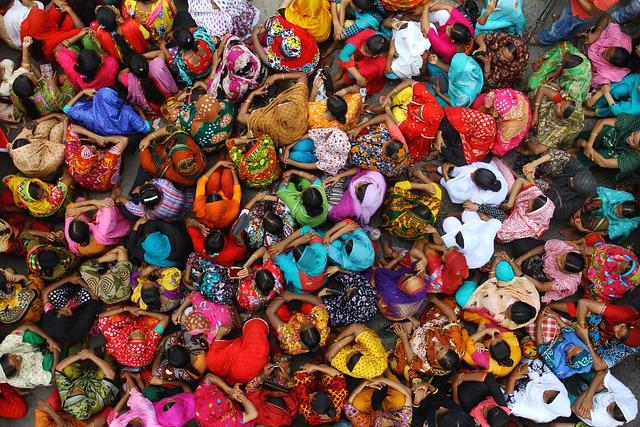
Thousands of protesters poured into streets across the United States this weekend under the slogan “No Kings,” reviving a nationwide wave of demonstrations aimed at former President Donald Trump and the political movement surrounding him. From coastal hubs to mid-sized towns, crowds gathered with banners, music, and performance art to warn what they see as mounting authoritarian tendencies and a direct challenge to American democratic norms. In scale and visibility, the coordinated actions rivaled some of the largest protests of the Trump years, signaling intensifying political polarization as another election cycle approaches. This photo essay captures the imagery, voices, and evolving strategies that define this renewed resistance to the Trump era.
From courthouse plazas to cul-de-sacs: No Kings energy returns to the streets
Across the country, courthouse lawns, university quads, and neighborhood intersections once again doubled as protest grounds. Loosely connected networks of students, veterans, clergy, labor activists, and long-time organizers are rebuilding momentum, turning everyday public spaces into stages of dissent. Many actions are modest in size but highly regular, creating a nearly continuous backdrop of protest in cities that first mobilized years ago.
In Seattle, demonstrators snaked past federal offices behind a banner declaring “No One Above the Law”. In Atlanta, families gathered outside a downtown detention center for a candlelight vigil, many bringing children they said they wanted “to remember what it looks like when people stand up.”
Common features of this revived wave include:
- Spontaneous rallies triggered by overnight announcements, indictments, or court filings.
- Pop-up art projections casting “No Kings” and related slogans on government buildings and corporate headquarters.
- Hyperlocal organizing coordinated through neighborhood text chains, encrypted chats, and school-parent groups.
- Real-time social media storms that flood feeds with photos, live video, and updates from protests in multiple time zones.
| City | Key Action | Approx. Turnout |
|---|---|---|
| Portland | Night march to federal courthouse | 2,000 |
| Miami | Waterfront rally and voter drive | 800 |
| Detroit | Car caravan circling city hall | 350 vehicles |
Organizers emphasize that this moment looks different from the early mass marches of the Trump presidency. Instead of occasional mega-rallies, they are betting on persistent, locally tailored pressure that can last through election cycles and court battles. In Midwestern towns, evening workshops in churches, union halls, and community centers are teaching skills such as rapid-response mobilization, legal observation, and digital security. Core messaging is tightly focused: presidential power, they argue, must stay firmly bound by the Constitution, independent courts, and transparent elections.
Many participants describe a blend of fatigue and hardened commitment. For some, the Women’s Marches and early anti-Trump protests marked their first real political engagement; these new demonstrations, they say, represent a second chapter-more disciplined, less euphoric, but deeply rooted in the organizing infrastructure built since 2017.
Reframing anti-Trump activism: From personality politics to a defense of democracy
As “No Kings” protests have returned, advocacy groups have noticeably shifted their emphasis. Once oriented around reacting to single policies-from immigration bans to environmental rollbacks-organizers now frame their campaigns around the integrity of democratic institutions themselves.
Instead of centering every chant and sign on Trump personally, coalition messaging highlights the broader system they say is at risk: independent courts, nonpartisan election administration, peaceful transfers of power, and the rule of law. At rallies, banners reading “Protect the Vote,” “Courts, Not Kings,” and “Democracy Is Not a Crown” mingle with more familiar anti-administration slogans.
Organizing toolkits and social media guides increasingly promote civic literacy. Protest leaders urge participants not only to march, but to understand how federal watchdogs, inspectors general, and state election boards operate-and why these bureaucratic systems are crucial guardrails. This “know the system” push reflects concern that democratic backsliding often happens quietly, through procedural changes and institutional pressure that attract less attention than headline-grabbing scandals.
The new strategy is visible on the ground in several ways:
- Election integrity – recruiting volunteers to monitor polling places, support nonpartisan voter-protection hotlines, and track changes to voting rules.
- Judicial independence – forming court-watch teams and tracking high-stakes cases involving executive power, voting rights, and civil liberties.
- Peaceful transfer of power – organizing teach-ins about certification processes and the legal framework that governs contested results.
- Limits on executive authority – scrutinizing executive orders, emergency declarations, and pardons through fact sheets and public briefings.
| Focus Area | Tactic |
|---|---|
| Voting Systems | Poll monitoring & ballot tracking |
| Rule of Law | Legal defense funds & court-watch teams |
| Public Accountability | Town halls, petitions and letter campaigns |
In many cities, marches now conclude with brief “civics crash courses” on how to contact local election officials, how to submit public-records requests, or how to testify at city and county meetings. Organizers argue that this slower, educational work is essential if protests are to translate into long-term institutional resilience rather than momentary outrage.
Performance, spectacle, and screens: Inside the movement’s evolving tactics
The “No Kings” campaign has become increasingly visual and theatrical, using imagery of monarchy to dramatize its central claim: no leader, including Donald Trump, is above the law. Protesters crush cardboard crowns, stage mock coronations, and parody royal rituals on courthouse steps and in front of federal office buildings.
In Philadelphia, robed demonstrators staged a satirical “coronation” for a fictional ruler, then symbolically “dethroned” him under a giant replica of the Constitution. In Phoenix, a procession of participants wearing gold paper crowns marched down a busy thoroughfare and ceremonially tossed their regalia into a trash bin labeled “Unchecked Power.” Choirs adapt patriotic songs with altered lyrics emphasizing checks and balances, while oversized puppets and props-gilded chairs, foam scepters, and scrolls of “royal decrees”-turn busy intersections into improvised stages right as commuters head home.
Key protest tools now include:
- Street theater: Choreographed skits, mock trials, and processions that grab local media attention and interrupt the daily rhythm of downtown streets.
- Hashtag campaigns: Carefully timed posting drives intended to push “No Kings” imagery and messaging into trending spaces on X, Instagram, TikTok, and other platforms.
- Livestream “assemblies”: Multiple small rallies linked through shared video feeds, allowing speakers in one city to address audiences across the country in real time.
- Rapid-response graphics: Meme-ready visuals, infographics, and explainer slides built within minutes of major legal or political developments.
| Tactic | Primary Goal | Typical Reach |
|---|---|---|
| Street Performances | Local visibility | Hundreds on-site |
| Viral Hashtags | National narrative | Millions of views |
| Coordinated Threads | Context & explainer | Targeted audiences |
Behind the dramatic visuals lies a methodical, data-driven infrastructure. Volunteer media teams maintain shared folders of poster templates, chant sheets, talking points, and legal FAQs. Encrypted channels connect organizers across states, synchronizing rally start times and messaging to leverage peak news and social media windows. Social teams monitor which photos, short videos, and slogans gain traction, then rapidly replicate successful formats in other cities.
Protest nights increasingly end with debrief sessions focused on metrics: attendance estimates, local press coverage, hashtag performance, new volunteer sign-ups, and donations to legal-defense funds. The movement that began in waves of spontaneous marches has matured into a hybrid campaign-part street spectacle, part digital operation-capable of responding to political developments in hours rather than weeks.
Beyond the march: What advocates argue must happen to counter the Trump agenda and protect civil liberties
Movement leaders and civil rights lawyers are clear that public demonstrations alone will not be enough. The next stage, they say, must lean heavily on sustained local work: influencing school boards, county commissions, sheriffs, and city councils that often have more immediate impact on civil liberties than Washington battles.
They point out that decisions about immigrant detention, police surveillance technology, facial recognition, protest permits, and local cooperation with federal agencies are typically made at the city or county level. As a result, “No Kings” networks are encouraging supporters to show up not only at marches, but also at budget hearings, zoning meetings, and court proceedings that rarely attract cameras.
Advocacy groups have started distributing updated “rapid response” packets that include:
- Guides for training legal observers to monitor protests and document potential abuses.
- Scripts and templates for public-comment testimony and meetings with local officials.
- Know-your-rights materials for communities vulnerable to immigration raids or heightened surveillance.
- Playbooks for coalition-building between long-standing grassroots organizations and newly mobilized protest circles.
To keep pressure steady rather than episodic, national and regional coalitions are working to knit city-by-city efforts into a visible, continuous front. They are prioritizing:
- Structured digital campaigns capable of activating tens of thousands of people within hours when new executive actions, indictments, or policy shifts occur.
- Targeted lobbying of swing-district members of Congress, state legislators, and key local officials on due process, surveillance limits, and protest rights.
- Sustainable legal-defense funds to cover bail, legal fees, and community needs in the wake of arrests or crackdowns.
- Systematic data tracking of civil-liberties complaints, protest-related arrests, and policy changes to provide evidence for lawsuits and legislative reforms.
| Focus Area | Main Tactic | Goal |
|---|---|---|
| Civil Liberties | Impact Litigation | Block overreach |
| Public Opinion | Storytelling campaigns | Shift narrative |
| Local Power | City resolutions | Limit enforcement |
Movement strategists stress the importance of centering real-world stories rather than abstract legal arguments. They highlight families facing deportation, activists monitored by new surveillance tools, and voters affected by registration purges or polling-place closures. These narratives, they say, counter efforts to normalize aggressive policies by making their consequences tangible and personal.
Closing remarks
As “No Kings” protests continue to flare from coast to coast, the central question for organizers is whether this renewed energy can be sustained and translated into durable political and legal outcomes. For now, the streets offer a familiar snapshot of the Trump era: a figure who inspires unwavering loyalty among supporters and fierce opposition among critics, each convinced that the future of American democracy is at stake.
The latest round of marches, vigils, and creative actions suggests that, even after years of turbulence, a significant share of the country remains ready to mobilize against what they view as authoritarian drift. Whether that mobilization can reshape institutions, law, and public opinion in the long run will define the next chapter of the “No Kings” movement-and, many argue, the direction of U.S. democracy itself.