




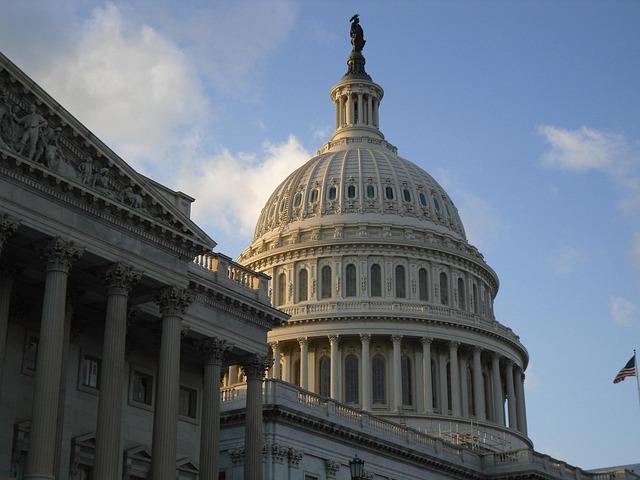
Five Washington universities have landed among the nation’s top performers in a new set of rankings, underscoring how rapidly the state has climbed the ladder of American higher education. Evaluated on academic quality, research productivity, student success, and affordability, both public and private Washington campuses now appear beside long‑established elite institutions across the country. The results reaffirm the University of Washington’s national stature while also showcasing the momentum of regional universities that have broadened their academic offerings, strengthened support systems, and improved graduation outcomes over the last decade.
Washington’s universities rise in national rankings: academic excellence and innovation in focus
Once largely overshadowed by East and West Coast giants, Washington’s higher education ecosystem is increasingly regarded as a national model for rigorous academics and applied research. Recent rankings reflect how multiple campuses have successfully blended long‑standing strengths with bold new initiatives in areas like climate science, health innovation, and data‑driven public policy.
Much of this progress stems from strategic coordination rather than a single standout department. University leaders have deliberately connected three pillars-faculty research, student success, and industry collaboration-into an integrated system that rewards innovation and accountability. That shift aligns with broader national trends: according to recent data from the National Science Foundation, Washington institutions collectively rank among the top states for R&D expenditures per capita, particularly in life sciences, engineering, and computer science.
Across the state, universities are leaning into signature strengths that are resonating with ranking organizations and with students:
- Research engines pushing the frontiers of clean energy, biotechnology, artificial intelligence, and climate resilience.
- Industry partnerships that convert academic discoveries into spin‑off companies, patents, and talent pipelines.
- Access-focused programs that expand scholarships, boost first‑generation student support, and grow flexible online or hybrid degree options.
- Community impact demonstrated through regional health initiatives, K‑12 partnerships, and local economic development projects.
These efforts have allowed Washington campuses to stand out not just for research intensity, but also for their commitment to inclusive excellence and real‑world problem solving.
| Washington Institution | Noted National Strength |
|---|---|
| Flagship Public University | High-impact research output and global rankings |
| Urban Tech Campus | Innovation ecosystem and startup culture |
| Regional Comprehensive | Teaching excellence, access, and student support |
How top ranked universities power local economies, research capacity and regional influence
The recognition of five Washington universities in national rankings is more than a symbolic win; it is reshaping local and regional economies. In cities from Bellingham to Spokane, universities increasingly function as economic anchors-turning labs into startup incubators and class projects into contracts for nearby firms.
Through robust industry partnerships, Washington campuses are attracting new employers, winning competitive federal grants, and supporting high‑wage jobs that are more likely to stay rooted in the state. Rather than operating as isolated “ivory towers,” institutions are acting as applied research and innovation hubs. Their work is closely aligned with the needs of port authorities, healthcare systems, clean‑energy developers, tribal governments, and aerospace and software companies that define Washington’s modern economy.
This alignment is visible in:
- New tech and bioscience incubators clustered near major campuses.
- Joint research centers co‑run with private industry and national labs.
- Customized training programs in sectors like nursing, advanced manufacturing, cybersecurity, and data analytics.
As rankings improve, the ripple effects extend beyond state borders. Higher placement on national lists helps faculty win competitive national research awards, which in turn draw outside funding, top graduate students, and new private investment. That heightened visibility can be decisive when mid-sized Washington cities compete for conferences, federal funding competitions, or corporate expansions.
On and off campus, the economic and social benefits show up in:
- New venture funding for student- and faculty-led startups and social enterprises.
- Expanded apprenticeships connecting students with regional manufacturers, tech firms, and healthcare providers.
- Research consortia tackling urgent issues such as wildfire management, climate resilience, aerospace innovation, and public health.
- Cultural and arts programming that fuels tourism, hospitality, and the creative economy.
| Impact Area | Local Effect |
|---|---|
| Research Grants | New facilities, STEM jobs, and technical services for regional employers |
| Startups | Spin-offs populating tech and innovation corridors |
| Workforce Training | Skilled graduates ready for in-demand roles in key industries |
| Global Visibility | Increased inflow of students, investors, and institutional partnerships |
What prospective students should know about Washington’s elite schools: admissions, costs and campus life
Admission to Washington’s top-ranked universities remains highly selective and increasingly holistic. While strong GPAs and competitive test scores (where required) still matter, admissions committees are placing greater weight on sustained engagement rather than short‑term achievements. Applicants are evaluated on how they might contribute to campus through research involvement, community service, leadership, and collaboration.
For students interested in these institutions, tailoring applications to Washington’s unique strengths can be a differentiator. Essays that highlight interests in topics like climate resilience in the Puget Sound region, digital innovation and entrepreneurship in Seattle, or public policy and governance in Olympia can demonstrate a strong fit. Early decision and early action rounds now account for a growing percentage of admitted students, effectively encouraging applicants to make earlier, and sometimes binding, commitments.
Cost is another defining factor. Tuition and living expenses-particularly in high‑demand markets along the I‑5 corridor-have outpaced typical wage growth for many families. However, financial aid strategies are evolving. Washington’s public institutions have expanded need-based support for in‑state residents, and many campuses are strengthening aid for first-generation students and students from underserved communities. Prospective students should look beyond headline tuition numbers to assess the full financial picture, including:
- Off-campus housing and rising rental costs in university neighborhoods.
- Transportation expenses, especially for commuters and students on multi‑campus systems.
- Technology requirements, lab fees, and course materials in high‑tech or lab‑intensive majors.
Campus life at Washington’s best‑ranked universities also reflects the state’s identity: outdoors-oriented, innovation-driven, and civically engaged. Students typically encounter:
- Robust research access across STEM fields, health sciences, environmental studies, and public policy.
- Active advocacy groups focusing on climate justice, equity, indigenous rights, and democratic participation.
- Hybrid learning environments that blend on-campus, online, and community-based coursework and internships.
- Strong regional pipelines into leading aerospace, software, biotech, and clean‑energy employers.
| Factor | What to Expect |
|---|---|
| Admission Selectivity | Very competitive, with peak demand in engineering, computer science, and business |
| Annual Costs | Tuition plus elevated housing, food, and transit costs in urban hubs |
| Financial Aid | Need-based aid widely available; merit scholarships more targeted and limited |
| Campus Culture | Research-centered, outdoors-focused, tech-savvy, and politically active |
How policymakers and educators can use new rankings to strengthen higher education in Washington
For state officials and higher‑education leaders, Washington’s improved standing in national rankings is less a finish line than a strategic guide. By analyzing where the state’s universities outperform their peers-such as in completion rates, first-generation student success, and research output-policymakers can make more targeted investments instead of spreading limited dollars across too many priorities.
This approach points toward:
- Aligning funding with high-impact programs identified by ranking indicators, including student support initiatives and high‑demand academic programs.
- Scaling proven student-success models-like intrusive advising, learning communities, and emergency aid-from flagship universities to regional and community colleges.
- Deepening K-12 to college pipelines in historically underrepresented school districts through dual‑credit programs, college-prep advising, and summer bridge initiatives.
- Benchmarking faculty hiring and retention practices against those of top-performing institutions to remain competitive in attracting talent.
In Olympia, legislators are considering how to embed incentive structures in the budget process, tying a portion of institutional funding to transparent performance metrics that align with ranking criteria. This could include graduation rates, transfer success, equity outcomes, and employment results, giving campuses clear targets while preserving flexibility in how they achieve them.
| Priority Area | Policy Tool | Intended Outcome |
|---|---|---|
| Access & Equity | Expanded need-based grants and tuition guarantees | Higher enrollment and completion among low-income and first-gen students |
| Student Success | Performance-based funding and completion bonuses | Improved graduation and retention rates across all sectors |
| Workforce Alignment | Sector-focused scholarships and employer partnerships | More graduates entering high-demand regional jobs |
For faculty and campus administrators, the rankings serve as a detailed comparative dashboard. Departments can examine how similar programs elsewhere structure curricula, integrate work-based learning, and modernize advising. Many Washington campuses are already using these insights to:
- Embed internships, practicums, and co‑ops directly into degree paths.
- Update curricula to reflect emerging fields like data ethics, green engineering, and digital health.
- Strengthen transfer pathways, so community college students can move efficiently into four‑year programs.
As these reforms unfold, the conversation is shifting from image to impact. The goal is not just to climb rankings, but to ensure that recognition translates into better outcomes for students, employers, and communities statewide.
The Conclusion
Washington’s universities are no longer quiet regional players; they are nationally recognized engines of research, innovation, and workforce development. The latest rankings highlight a system that is simultaneously strengthening academic quality, expanding access, and deepening its economic and civic contributions.
For students and families exploring college options, the message is straightforward: some of the nation’s most competitive and forward‑thinking universities are located in Washington. For state leaders and educators, the challenge now is to build on this momentum-using data, smart investment, and sustained collaboration-to shape not only Washington’s future, but the evolving landscape of American higher education as a whole.


