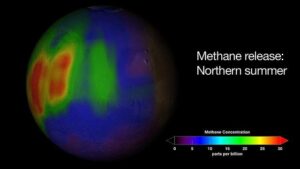


Washington state has adopted a sweeping new landfill methane rule designed to dramatically cut climate pollution from solid waste sites. The regulation, finalized by the Washington Department of Ecology, zeroes in on one of the largest human‑generated sources of methane by tightening how landfills collect, monitor, and control landfill gas. Methane is a particularly powerful greenhouse gas-over a 20‑year period, it traps more than 80 times as much heat as carbon dioxide, according to the Intergovernmental Panel on Climate Change (IPCC).
By setting stronger standards for gas capture systems, leak detection, and verified reporting, Washington aims to reduce methane emissions, protect public health in nearby communities, and keep pace with increasingly rigorous landfill gas rules emerging at the national and regional levels.
Washington’s statewide landfill methane rule: a new chapter in climate policy
Under the new statewide landfill methane rule, every covered landfill in Washington must step up efforts to monitor, capture, and manage methane far more aggressively than before. The rule is built on recent climate science showing that cutting methane now is one of the fastest ways to slow near‑term global warming.
Key expectations for landfill operators include:
- Installing new or upgraded gas collection and control systems.
- Conducting regular leak detection surveys and surface emissions scans.
- Using consistent, standardized methods for quantifying and reporting emissions.
- Demonstrating that captured gas is either destroyed in high‑efficiency flares or directed to beneficial use, such as generating electricity or renewable natural gas.
These measures are tied to landfill size and gas production potential. Larger, higher‑emitting facilities face the earliest and most stringent requirements, while small landfills are phased in more gradually.
Core elements of the new landfill methane standards
The rule is expected to reshape landfill management practices across the state, affecting both public and private operators. New compliance milestones and performance targets are designed to help Washington meet its statutory greenhouse gas limits and reduce health risks for communities near disposal sites.
Key components include:
- Tighter emissions thresholds that trigger mandatory gas collection and control infrastructure.
- More frequent monitoring so leaks are found and fixed before they become major emission sources.
- Standardized reporting formats to ensure comparable, accessible landfill gas data statewide.
- Support for gas‑to‑energy and beneficial‑use projects that turn methane into a resource rather than a waste product.
| Requirement | Who It Applies To | Implementation Focus |
|---|---|---|
| Enhanced gas collection | Large active landfills | New or expanded wells and piping |
| Quarterly leak surveys | All covered sites | Surface scans and equipment checks |
| Verified emissions reporting | Public and private operators | Consistent, transparent statewide data |
Tougher monitoring and gas collection standards for the biggest emitters
The rule concentrates the most stringent requirements on landfills that are responsible for the largest share of methane emissions. These “biggest and leakiest” sites will now operate under heightened scrutiny, with more frequent monitoring and upgraded gas collection systems that are designed to detect and control methane before it escapes.
Landfills above specific size and emissions thresholds must:
- Install or expand gas collection and control systems (GCCS).
- Route captured gas to energy recovery systems or enclosed, high‑efficiency flares.
- Meet performance standards for capture efficiency and destruction efficiency.
These requirements align Washington with emerging federal rules and with leading states that have already tightened their landfill methane controls.
Advanced detection and quicker repairs
Washington’s standards go beyond basic compliance and push operators toward proactive management of landfill gas. The rule sets clearer expectations around operating practices, recordkeeping, and timelines for corrective action whenever elevated methane readings are detected.
Key measures include:
- Increased frequency of surface emissions scans using advanced tools such as optical gas imaging cameras, flame ionization detectors, or other approved technologies.
- Required upgrades to gas wells, collection headers, and flare systems at high‑emitting sites.
- More stringent repair deadlines when surface emissions or system leaks surpass allowable levels.
- Uniform data reporting formats to support enforcement, public transparency, and long‑term trend analysis.
| Landfill Category | Monitoring Frequency | Gas Control Requirement |
|---|---|---|
| Largest sites | Quarterly surface scans | Comprehensive gas collection plus enclosed flare or energy recovery |
| Medium sites | Semiannual checks | Targeted gas collection in high‑emission zones |
| Small sites | Annual inspections | Controls triggered when emissions exceed thresholds |
Compliance timelines, enforcement tools, and support for operators
To implement the new landfill methane rule, the Department of Ecology has laid out a phased schedule keyed to landfill size, gas generation potential, and existing gas control infrastructure. Large, active landfills that already operate gas collection systems will be required to adjust their monitoring practices and boost capture performance on a faster track. Smaller or rural sites will have additional time to plan and fund upgrades.
Ecology is also preparing technical guidance documents, model plans, and direct consultation to help operators:
- Interpret new emissions thresholds and design appropriate gas systems.
- Update operating procedures, maintenance schedules, and recordkeeping.
- Align required changes with existing permits and project timelines.
The agency emphasizes a practical approach: clear milestones paired with tools that make compliance feasible for a wide range of operators.
Enforcement and compliance pathways
Enforcement of the landfill methane rule will be grounded in routine inspections, targeted investigations, and data‑driven review of emissions reports and operating records. While Ecology plans to focus early efforts on education and compliance assistance, the agency retains full enforcement authority when necessary.
Available tools include:
- Notices of violation for failing to meet regulatory requirements.
- Administrative penalties for significant or repeated noncompliance.
- Orders to curtail operations in serious or unresolved cases.
Landfill operators are encouraged to move toward early compliance by:
- Upgrading or modernizing gas collection and control equipment to meet the new performance standards.
- Strengthening monitoring, leak detection, and repair programs.
- Submitting accurate and timely emissions, monitoring, and operations data.
- Coordinating with Ecology on site‑specific compliance strategies and long‑term plans.
| Landfill Category | Initial Compliance Focus | Primary Oversight Tool |
|---|---|---|
| Large, active landfills | Accelerated upgrades to gas capture systems | Frequent, on‑site inspections |
| Mid‑sized regional sites | Enhanced monitoring and standardized reporting | Data review with follow‑up audits |
| Small or closing facilities | Closure plans, cover integrity, and long‑term care | Targeted, risk‑based inspections |
Cutting methane at the source: organics diversion and community engagement
Experts stress that the landfill methane rule is only one piece of Washington’s broader strategy. Because decomposing food scraps, yard trimmings, and other organic materials are the primary source of landfill methane, climate analysts argue that diverting organics before they ever reach the landfill is essential for long‑term success.
Local governments are being urged to:
- Expand curbside composting and food scrap collection programs.
- Support food rescue efforts that redirect surplus edible food to households in need.
- Redesign solid waste and recycling routes to include organics collection.
- Coordinate with haulers and composting or anaerobic digestion facilities to handle larger organics volumes.
These strategies are typically more cost‑effective than relying solely on landfill gas systems. They also align with national trends: for example, several states and cities have adopted organics recycling mandates or food waste bans from landfills to cut methane and support circular economy goals.
Public education and behavior change
Policy changes alone are not enough; everyday disposal habits must also shift. Outreach specialists emphasize that public education and sustained community engagement are pivotal for meeting Washington’s landfill methane targets. Residents and businesses need clear, practical information about what belongs in trash, recycling, and organics carts-and why it matters for air quality and climate.
Recommended outreach strategies include:
- Targeted campaigns in multiple languages explaining new services, collection rules, and the importance of methane reduction.
- In‑person engagement through classroom lessons, community workshops, fairs, and neighborhood representatives.
- Consistent, easy‑to‑read labeling on carts and dumpsters, backed by standardized signage across jurisdictions to minimize contamination.
- Performance feedback for large generators, such as contamination tags on containers and simple scorecards that track improvement.
| Local Action | Expected Benefit |
|---|---|
| Expand food scrap collection | Reduced methane generation at landfills |
| Invest in compost and digestion facility upgrades | Greater capacity to process organic materials locally |
| Launch bilingual, culturally relevant outreach | Higher participation rates and cleaner organics streams |
| Strengthen partnerships with food rescue groups | Lower waste volumes and improved community food security |
Looking ahead: Washington’s landfill methane rule in context
With this landfill methane rule, Washington joins a growing list of states and regions that are moving aggressively to curb one of the most potent climate pollutants at its source. The Department of Ecology will phase in the new requirements over several years, giving local governments and landfill operators time to design, finance, and install upgraded systems while revising their operational practices.
Supporters say the rule will:
- Cut greenhouse gas emissions in line with Washington’s climate targets.
- Improve air quality and reduce odors for communities living near landfills.
- Drive innovation in landfill gas‑to‑energy and organics management.
Industry representatives and local officials, meanwhile, are focused on implementation details, including capital and operating costs, financing options, workforce needs, and technical clarifications.
As the rule takes effect and emissions data begin to reflect the new standards, regulators, operators, and environmental advocates will closely watch how quickly methane emissions decline-and whether Washington’s approach becomes a model for landfill methane oversight and organics diversion policies across the United States.