



August in Washington, D.C. is anything but quiet. As the temperature climbs, the city’s schedule fills with August events in Washington DC that turn long, humid days into prime time for exploring. Waterfront festivals along the Potomac, late‑night museum experiences, neighborhood block parties, and outdoor concerts transform the District into a lively, open‑air playground. Instead of slowing down for the “dog days” of summer, Washington, D.C. leans in-offering residents and visitors a packed lineup of cultural celebrations, live music, and family‑friendly activities that make August one of the most energetic months of the year.
Neighborhood Festivals Turn Late Summer Into a Citywide Celebration
By August, many Washington, D.C. neighborhoods feel like weekend-long street fairs. Tree‑shaded avenues, waterfront promenades, and historic corridors morph into pedestrian‑friendly gathering spots where aromas from food trucks mingle with live music and the buzz of pop‑up markets. From Takoma’s residential streets to The Wharf’s riverside lawns, locals and visitors linger in temporary beer gardens and family-friendly activity zones, taking advantage of free performances and regional food specialties.
City officials point out that these late summer festivals play a growing role in supporting small businesses. Independent cafés, boutiques, and restaurants along festival routes often stay open later, report higher sales, and attract new regulars. As many of D.C.’s commercial corridors continue to rebound, these events have become key drivers of foot traffic and neighborhood visibility.
Organizers are also using August events in Washington DC to highlight the city’s cultural depth. Programming frequently pairs go‑go with global sounds, weaving in Latin jazz, Caribbean rhythms, and Afrobeat. A visitor might move from an Ethiopian coffee ceremony to a Chesapeake-style seafood tasting within a single block. In recent years, many festivals have doubled down on accessibility and inclusion by adding water refill stations, shaded rest areas, bike valets, and inclusive programming aimed at all ages and abilities.
Neighborhood associations, Business Improvement Districts, and tourism partners are increasingly collaborating on weekend itineraries that encourage visitors to explore beyond the National Mall. Typical elements include:
- Pop-up night markets showcasing local makers, vintage goods, and global street food.
- Waterfront concerts capped with fireworks or light shows reflecting over the Potomac River.
- Family zones filled with art projects, lawn games, puppet shows, and storytelling nooks.
- Late-night gallery walks where emerging DC artists and collectives open their doors after hours.
| Neighborhood | Festival Highlight | Best Time to Go |
|---|---|---|
| Capitol Hill | Jazz sets on historic squares and pocket parks | Early evening, weekdays |
| Shaw | High-energy go-go block parties | Late nights, weekends |
| Georgetown Waterfront | Riverside stalls serving regional and international bites | Sunset, Friday-Sunday |
| H Street NE | Street art murals, live DJs, and roaming performers | Saturday afternoons |
Monuments After Dark: Outdoor Concerts Redefine Iconic DC Landmarks
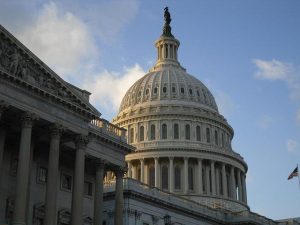
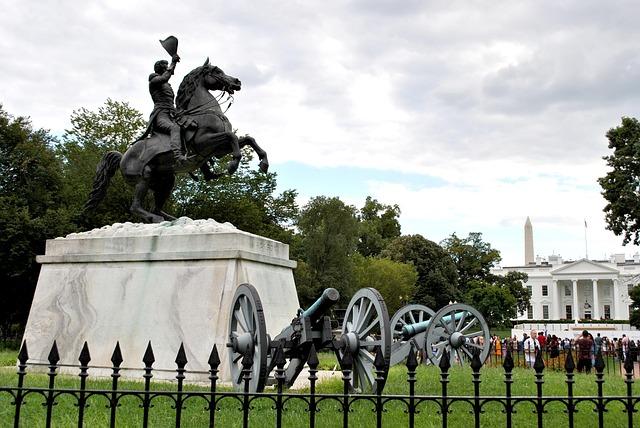
Once the sun dips below the horizon, Washington, D.C.’s memorials and public plazas shift from daytime sightseeing stops to dramatic open‑air stages. In August, it’s common to find orchestras, jazz ensembles, and indie bands performing in front of glowing monuments, with domes, columns, and statues serving as striking nighttime backdrops.
Lawns that host tourists by day become shared community spaces after dusk. Families spread out picnic blankets, young professionals gather with friends after work, and cyclists dismount along waterfront paths to catch a set. The result is a citywide series of informal cultural hubs where visitors can experience well‑known landmarks in a new way-through sound as much as sight.
Local tourism officials note that these free and low‑cost concerts help extend the city’s energy beyond regular museum hours. According to recent regional tourism data, evening events have contributed to increased restaurant reservations and stronger late‑night transit ridership, particularly around the National Mall and major waterfront developments. Food trucks, pop‑up bars, and neighborhood vendors cluster near concert sites, giving even weeknights a festival atmosphere.
Attendees are drawn by the combination of skyline views and accessible entertainment. Programming is often designed so that people can drop in for a single piece or stay for the full performance. Frequent features include:
- Classical showcases that pair symphonic favorites and film scores with sweeping views of the National Mall.
- Jazz nights along the riverfront, spotlighting regional musicians and improvisational sets.
- Family-friendly programs scheduled for earlier evenings, with shorter sets ideal for younger audiences.
- Themed performances celebrating local heritage, from DC’s go‑go roots to international cultural traditions.
| Venue | Music Focus | Typical Time |
|---|---|---|
| Monument Lawn | Orchestral Programs & Film Scores | Sunset |
| Riverfront Plaza | Jazz, Blues & Cross‑over Sets | Late Evening |
| Civic Square | Indie Bands, Pop Showcases & Local Acts | After Work |
Budget-Friendly August in Washington, D.C.: Family Fun Without the Price Tag
For families, August in Washington, D.C. offers a rare combination of high‑value experiences and low or no admission cost. The city’s core attractions-like the Smithsonian museums, open‑air memorials, and free public programs on and around the National Mall-make it possible to design a full day of sightseeing with minimal spending.
Parents often mix free museum visits with discounted transit passes and casual, counter‑service dining to keep daily budgets in check. With hotel deals sometimes appearing toward the end of summer, it’s increasingly possible to plan multi‑day family trips that focus on learning, culture, and outdoor play instead of ticket fees.
In response to rising demand for kid‑centric experiences, many museums and parks now schedule August events in Washington DC specifically for younger visitors-often at little or no extra cost. These programs aren’t just diversions; they are designed to encourage hands‑on engagement and spark curiosity about science, history, art, and the environment.
Popular, wallet‑friendly highlights include:
- Hands-on museum exhibits with STEM activities, touchable displays, and scavenger hunts that guide kids through galleries.
- Evening monument walks that dodge high afternoon temperatures and offer beautifully lit views ideal for photos.
- Waterfront play spaces and splash pads at The Wharf, Yards Park, and similar developments that let kids cool off between sightseeing stops.
- Outdoor film nights showing family classics or animated favorites on large screens in public parks and plazas.
| Activity | Approx. Cost | Best Time |
|---|---|---|
| Smithsonian Museums | Free Admission | Morning |
| Monument Night Walk | Free, Self‑Guided | After Sunset |
| Outdoor Movie Screening | Free Entry; Low‑Cost Snacks | Evening |
How to Beat the Heat: Practical Tips for Navigating August in Washington, D.C.
Hot, humid days are part of the August experience in the nation’s capital, but a few smart strategies can make the weather manageable. Locals know that timing is everything: early mornings and late evenings are ideal for outdoor exploration, while the middle of the day is best reserved for air‑conditioned spaces.
Plan to visit monuments and memorials when the sun is lower and the marble has cooled slightly. Save midday for Smithsonian museums, gallery exhibits, and Capitol Hill tours, where you can enjoy climate‑controlled interiors and café breaks. Many attractions now use time‑entry systems and mobile reservations, which can significantly cut down time spent waiting outdoors.
- Stay cool smartly: Bring a refillable water bottle; public fountains and refill stations are readily available throughout the National Mall and major park areas.
- Dress for the climate: Lightweight, breathable clothing, comfortable walking shoes, a wide‑brimmed hat, and sunscreen are essential for long outdoor days.
- Shift your schedule: Reserve outdoor festivals, memorial visits, and neighborhood walks for early morning or later in the day. Use mid‑afternoon hours for museums, indoor exhibits, or coffee shop breaks.
- Move efficiently: Ride Metrorail or buses outside of rush hour when possible, and look for shaded, tree‑lined routes when walking between sights.
| Time of Day | Recommended Activity | Heat Strategy |
|---|---|---|
| Early Morning | Memorial visits, National Mall walks, neighborhood strolls | Take advantage of cooler air and gentler sun |
| Midday | Museums, galleries, cafés, Capitol tours | Seek air‑conditioning and hydrate frequently |
| Evening | Outdoor concerts, waterfront promenades, night markets | Enjoy lower temperatures and thinner crowds |
Looking Ahead: Why August Keeps Travelers Coming Back to DC
By the time August winds down, Washington, D.C.’s calendar has made a clear statement: this city is much more than a political hub. From neighborhood festivals and block parties to outdoor concerts and special museum programs, August events in Washington DC provide a layered look at the city’s culture, food, and creativity.
For travelers, these late‑summer happenings are an ideal excuse to explore beyond the Capitol dome and iconic memorials. They invite visitors into local corridors, introduce them to DC’s evolving culinary scene, and connect them with institutions and communities that define the city’s character.
As summer gives way to fall-with its own slate of arts openings, political milestones, and seasonal traditions-the energy of August serves as a reminder that Washington, D.C. offers reasons to return in every season. Whether you come for the music, the museums, or the neighborhood street life, the city’s late‑summer momentum often turns a one‑time visit into the start of an ongoing relationship with the nation’s capital.

