



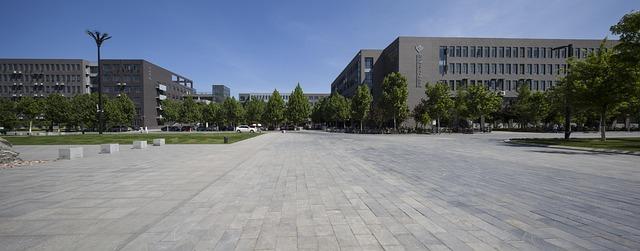
Founded in 1749 and bearing the names of two prominent figures in American history, Washington and Lee University in Lexington, Virginia, occupies a complicated space in the modern higher education landscape. This small liberal arts university-historically associated with the American South, a stringent honor system, and an unusually tight-knit campus community-is now reexamining its role in a rapidly changing society. As colleges across the country confront questions about historical legacies, institutional values, and student experience, Washington and Lee has become a case study in how an old institution can grapple with its past while trying to remain relevant and responsive to today’s students.
Academic Expectations and Everyday Campus Life
Washington and Lee University’s campus culture revolves around a student-enforced honor system that shapes both academic life and social interactions. This is not a ceremonial policy that sits in a handbook; it is a lived code that affects how students study, socialize, and even move around campus. Residence hall doors frequently remain unlocked, exams are often taken without proctors, and students routinely leave personal belongings unattended in shared spaces.
Within this environment, students describe a sense of mutual reliance and accountability that goes beyond slogans. Shared campus traditions-from the well-known Mock Convention to the longstanding Fancy Dress Ball-reinforce a feeling of continuity and communal identity. A broad range of student-led clubs and initiatives function as testing grounds for leadership, often giving undergraduates significant responsibility over programming, budgeting, and event planning.
Small classes and an emphasis on relationship-building with faculty are hallmarks of the academic experience. Many students report that professors greet them by name early in the term and maintain an open-door policy for questions and informal conversations.
- Honor-centered norms guiding both classroom conduct and social choices
- Strong faculty accessibility fostered by small classes and informal interactions
- Extensive student leadership in campus governance and event management
- Longstanding traditions that sustain a distinct community identity
| Measure | Campus Life | Academics |
|---|---|---|
| Average class size | – | 15-18 students |
| Faculty interaction | Frequent, informal | Mandatory office hours |
| Experiential learning | Clubs, journalism, service initiatives | Clinics, faculty research, practicums |
Liberal Arts Rigor and Applied Learning at Washington and Lee University
The academic culture at Washington and Lee is demanding by design. Rooted in a traditional liberal arts framework, the curriculum emphasizes strong writing, clear argumentation, and the ability to move across disciplines. Courses frequently require students to engage deeply with primary materials-court opinions in law-related offerings, case studies in business, and original texts in the humanities and social sciences.
Professors expect substantial preparation for class, with discussions often built around intensive reading, problem-solving, and collaborative analysis rather than passive lecture. In law, business, and humanities courses, case-based dialogue is common, pushing students to take positions, defend them, and revise their thinking when confronted with new evidence.
The university’s Winter Term has increasingly become a platform for immersive experiences. Students often use this period for focused research, community-based projects, off-campus study, or intensive seminars. This aligns with a broader shift in higher education toward integrating theory with practice, while still preserving the traditional small-seminar environment the institution is known for.
Support structures are firmly in place to help undergraduates manage the workload:
- Writing centers that provide feedback on essays and research papers
- Peer tutoring programs for quantitative and qualitative courses
- Faculty-led research groups offering hands-on academic experience
Collectively, these resources are designed to reinforce academic rigor while giving students the tools to meet it-an important consideration for families comparing liberal arts institutions with similar reputations.
The Honor System as a Lens into Leadership and Community
At Washington and Lee University, the honor system does not operate on the margins of student life; it is woven into the fabric of nearly every campus interaction. From classrooms to residence halls to student media and clubs, the assumption of integrity is so pervasive that students and faculty often plan around it without comment.
Unproctored exams are one visible expression of this trust. Another is the way students manage organizational finances and event logistics with comparatively limited administrative supervision. This framework is backed by a single-sanction structure-students found responsible for serious honor violations may face dismissal-which is managed by a student-led body. While critics and supporters may debate the system’s implications, its presence is unmistakable in the way students talk about accountability.
The honor code also shapes informal behavior: peers frequently step in when they encounter potential violations or ethical gray zones, whether in collaborative assignments or student organization decisions. This creates daily practice in navigating difficult conversations and moral judgment.
Campus observers and alumni frequently link this environment to the university’s leadership pipeline. Students serving in roles across student government, conduct bodies, and major organizations are continually asked to make decisions under public scrutiny, explain those choices, and accept responsibility for their outcomes. Many graduates describe this as preparation for professions where ethical discernment and transparent process are non-negotiable.
According to student leaders, the system tends to foster:
- Transparent decision-making on funding choices and policy proposals
- Peer-led inquiries that echo investigative standards in professional settings
- Community-wide accountability as processes and outcomes are shared publicly
- Ethical leadership grounded in internalized values rather than external policing
| Area | Impact of the System |
|---|---|
| Academic Life | Unproctored testing, expectation of self-reporting |
| Student Government | Student-run hearings and oversight of policy |
| Residential Community | Open-door norms, informal mediation among peers |
| Career Preparation | Practical experience in ethics, governance, and advocacy |
Washington and Lee University and Its Historical Legacy
Across the country, universities are reexamining their ties to slavery, segregation, and contested historical figures. Washington and Lee University sits squarely within that conversation, particularly given its namesakes and its long history in the American South. In recent years, the institution has intensified efforts to address its past more openly and systematically.
Guided by faculty scholarship, student activism, and ongoing deliberations by the Board of Trustees, the university has widened its historical lens. It has supported expanded archival research projects that document the institution’s connections to slavery and the Confederacy, revised official narratives presented on tours and in publications, and added or reworked courses that bring race, memory, and Southern history to the forefront.
Physical markers on campus-such as signage, interpretive displays, and building names-have increasingly come under review. Decision-makers are revisiting the ways in which individuals are honored or commemorated, often using contemporary ethical standards and broader community feedback as a reference point.
Some of the most visible initiatives include:
- Public history projects that reinterpret campus landmarks and share more complete stories
- Curricular expansions featuring courses on race, memory, and regional history
- Community forums involving students, alumni, faculty, and local residents in difficult conversations
- Revised symbols and traditions intended to represent a more inclusive institutional narrative
| Initiative | Focus | First Implemented |
|---|---|---|
| History and Memory Commission | Research and formal recommendations on legacy issues | 2018 |
| Revised Campus Narratives | Updated signage, interpretive materials, and tours | 2019 |
| Inclusive Teaching Grants | Support for course redesign and inclusive pedagogy | 2020 |
While these changes are ongoing and often debated, they signal an institutional acknowledgment that how history is told-and who is centered in those stories-shapes the daily experience of students and faculty.
What Families Should Know About Applying to Washington and Lee University
For prospective students and their families, the admissions process at Washington and Lee University unfolds against a backdrop of shifting national trends: test-optional policies, growing scrutiny of college costs, and increasing emphasis on holistic evaluation. In this environment, organized, early planning can meaningfully strengthen an application.
Counselors often encourage applicants to think about their profiles across three main dimensions: academic performance, community engagement, and personal character. One practical strategy is to prepare a brief one-page overview that includes:
- Course rigor and academic metrics (including test scores, if submitted)
- Key leadership positions, extracurricular commitments, and service experiences
- A concise statement of what the student values and hopes to pursue
This working document can help anchor conversations with school counselors, independent advisors, and Washington and Lee’s regional admissions representatives. Many applicants now move beyond standard campus tours by requesting class visits, sitting in on student panels, or arranging short meetings with faculty members and current students. These deeper engagements can produce more specific, experience-based material for application essays and interviews.
On the financial side, Washington and Lee’s cost of attendance aligns with that of many selective private universities, making early planning essential. Families are increasingly advised to:
- Use the university’s net price calculator before the end of junior year
- Update projections after any major changes in income, assets, or family circumstances
- Clarify how merit awards, need-based aid, and work-study fit together in a typical package
Students visiting campus or attending virtual sessions can make the most of these opportunities by coming prepared with focused questions. Topics that often yield useful, specific answers include:
- Academic fit: Honors options, accessibility of research opportunities, faculty advising models
- Campus life: Residential expectations, student organization culture, community standards
- Career outcomes: Internship pipelines, responsiveness of the alumni network, support for graduate and professional school
- Financial clarity: Scholarship renewal criteria, typical borrowing levels, and availability of on-campus employment
| Phase | Recommended Action | Typical Timing |
|---|---|---|
| Discovery | Participate in virtual information sessions and student Q&A panels | Fall of junior year |
| Deep Dive | Arrange a campus visit, sit in on a class, and explore specific departments | Spring of junior year |
| Application Build | Develop essays and materials tied to programs and opportunities at Washington and Lee | Summer before senior year |
| Financial Review | Compare projected aid packages, scholarships, and loan expectations | Early fall of senior year |
Looking Ahead: Washington and Lee University’s Evolving Identity
Washington and Lee University is navigating a complex intersection of continuity and change. Its deeply rooted traditions-including the honor system, close faculty-student relationships, and signature campus rituals-remain central to its identity. At the same time, the institution is under sustained pressure to address its historical ties and to align its practices with contemporary expectations for equity, transparency, and inclusion.
How Washington and Lee manages this balancing act in the coming years will likely influence not only its own trajectory, but also broader conversations about how American colleges reconcile historical legacies with the needs of current and future students. For applicants and families, understanding this tension-and how it plays out in academic life, campus culture, and institutional policy-has become an essential part of evaluating whether Washington and Lee University is the right fit.