



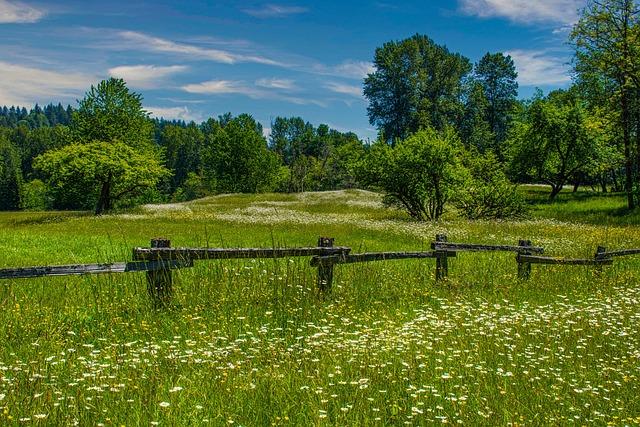
Washington has long been associated with gray skies, evergreen forests and a booming tech industry-but new research shows it deserves equal recognition for something else: fun. A fresh nationwide ranking of the most entertaining places to live and travel puts the Evergreen State firmly in the top 10 “most fun” states in America, spotlighting its rare blend of outdoor adventure, culture and nightlife. Below is a closer look at where Washington stands, why it ranks so highly and how it compares to other top destinations.
Washington’s ranking: how the Evergreen State competes on the new fun index
On the latest national “fun index,” Washington secures a top‑tier position, edging out many of its West Coast and Mountain West neighbors while still coming in behind traditional entertainment magnets like Nevada and Florida. Researchers attribute Washington’s strong performance to its layered mix of urban energy, cultural depth and year‑round outdoor recreation-from Puget Sound’s shorelines to the high ridges of the Cascades.
Seattle plays an outsized role in that score, thanks to its dense network of music venues, craft breweries and pro sports arenas. But the study also points to contributions from mid‑sized and smaller cities-Spokane, Tacoma, Olympia, Bellingham and others-that supply a steady cadence of festivals, local fairs and neighborhood events. A particularly notable metric is Washington’s above‑average number of parks and trails per resident, which sets it apart from many more heavily built‑up coastal states.
Compared with other top performers, Washington looks less like a nonstop party destination and more like a well‑rounded “all‑day, all‑ages” playground. It ranks competitively across measures such as accessibility, variety of activities and family-friendly attractions, even if it can’t match the sheer volume of casinos or giant theme parks seen elsewhere. Tourism experts argue that this balance actually works in the state’s favor, making it a place where visitors can spend one day hiking or kayaking and the next hopping between concerts, breweries and museums.
Among the core strengths the report highlights:
- Outdoor recreation: Hiking, skiing, snowboarding, cycling and water sports keep residents and visitors active in every season.
- Cultural scene: A strong lineup of museums, live theater, art galleries and independent cinemas boosts Washington’s arts profile.
- Culinary and craft beverages: A dense cluster of restaurants, wineries, distilleries and breweries adds significant draw, particularly in and around Seattle, Walla Walla and Yakima.
- Event calendar: Music festivals, agricultural fairs, film series and neighborhood block parties keep social calendars packed throughout much of the year.
| State | Fun Rank | Noted Strength |
|---|---|---|
| Washington | Top 10 | Outdoors & culture |
| Nevada | Higher | Nightlife & casinos |
| Florida | Higher | Theme parks |
| Oregon | Lower | Scenic getaways |
| Idaho | Lower | Quiet outdoors |
How researchers define “fun”: key factors boosting Washington and its rivals
According to the team behind the ranking, “fun” is not just a mood-it’s a measurable blend of entertainment access, recreation options and social vibrancy. To build the fun index, analysts compared states using dozens of indicators that capture how, where and how often people play.
Among the metrics used: the number of bars, music venues, amusement and theme parks per capita; attendance and participation rates for sports, outdoor recreation and cultural events; nightlife intensity (from late‑night businesses to performance schedules); and average household spending on leisure. Accessibility was weighed as well, with points awarded for how easy it is to reach major attractions via car, ferry or public transit.
Under this framework, Washington earns points not only for its dramatic landscapes but also for how its cities and towns build on that base-layering coffeehouse culture, live music, bookshops and independent arts spaces onto a population that strongly embraces outdoor lifestyles. In the post‑pandemic travel rebound, this mix has become more appealing: recent tourism figures show outdoor‑oriented trips and “urban + nature” itineraries growing faster than purely urban visits across much of the U.S.
When researchers line Washington up against its closest competitors, a clear pattern emerges. Nevada and Florida hold onto their leads through casino resorts, party districts and year-round theme parks that draw enormous visitor volumes. Colorado and Oregon compete directly on outdoor recreation and craft beverage tourism, while New York stands out for world-famous cultural institutions.
- Key metrics included nightlife, recreation, culture, affordability and accessibility.
- Data sources ranged from federal and state tourism databases to industry reports and consumer surveys.
- Washington’s strengths: outdoor activities, live music, festivals, and a thriving food and drink scene that stretches far beyond Seattle.
- Rival advantages: massive integrated resorts, globally known theme parks and higher overall tourist numbers.
| Factor | Washington | Top Rival |
|---|---|---|
| Outdoor recreation | National parks & extensive trail systems | Colorado’s alpine resorts |
| Nightlife | Urban bars, music clubs & late-night dining | Nevada’s 24/7 casinos |
| Cultural scene | Innovation-driven arts, museums & galleries | New York’s landmark institutions |
| Family attractions | Zoos, aquariums, ferries & science centers | Florida’s theme parks |
Washington’s strong suits: from nightlife streetscapes to national park peaks
On weekends, Washington’s major cities make it clear why the state ranks so highly on the fun index. In Seattle, neon‑lit nightlife corridors, rooftop bars and historic music clubs pulse late into the night. In Tacoma, Everett and other urban hubs, waterfront bars, taprooms and cocktail lounges draw crowds of students, military workers and young professionals. The state’s craft beer and cider movement-bolstered by one of the country’s leading hop‑growing regions-has turned tasting rooms into social destinations in their own right.
Live music is another standout. Venues ranging from intimate jazz clubs to large arenas continue to build on the region’s musical legacy, now stretching well beyond grunge into hip‑hop, indie rock, electronic and classical programming. Tribal casino resorts add yet another layer with concert halls, gaming floors and dining complexes that stay active late into the night. Food trucks, night markets and pop‑up events help fill in the gaps, ensuring that entertainment doesn’t shut down when the sun sets.
Step outside the city grid, and the picture shifts from neon to alpine blues and deep greens. Washington’s three national parks, plus extensive state parks and national forest lands, make the state a powerhouse for hiking, backpacking, climbing, skiing and paddling. From summer kayaking in the San Juan Islands to winter runs at Snoqualmie, Crystal Mountain or Stevens Pass, outdoor recreation effectively extends the state’s “fun hours” around the clock and across seasons.
Where Washington struggles: gaps, challenges and competition
Beneath the strong overall ranking, researchers point to a few pressure points that hold Washington back from climbing even higher. Rural communities in central and eastern parts of the state often have thinner entertainment options and fewer regularly scheduled events, forcing residents and visitors to drive longer distances for major concerts, museums or nightlife.
Climate is another factor. While many travelers are drawn to Washington’s misty forests and cool summers, prolonged rain and low clouds can discourage spontaneous outdoor plans, especially in late fall and winter. In comparison, sun‑belt competitors such as Florida and parts of Nevada enjoy a longer, more predictable season for outdoor fun.
Cost also plays a role. Major metro areas like Seattle consistently rank among the country’s more expensive cities for lodging and dining, which can undercut affordability scores. Analysts say the state’s hurdle isn’t a shortage of attractions but rather how evenly and affordably those experiences are distributed-and how well they’re promoted outside of a handful of iconic spots.
- Strengths: Dynamic nightlife in large cities; nationally recognized parks and trails; rich live music tradition and strong food and beverage offerings.
- Weaknesses: Limited entertainment infrastructure in many rural areas; weather‑sensitive outdoor activities; relatively high travel and lodging costs in top destinations.
- Opportunities: Improved regional transit connections; expanded off‑season festivals and cultural programming; tourism campaigns that emphasize lesser-known towns and regions beyond Seattle.
- Threats: Growing competition from lower‑cost states; housing and labor shortages impacting hospitality; crowding and congestion in the most popular areas.
| Category | Washington | Top-Ranked States |
|---|---|---|
| Nightlife variety | Strong in metro cores, limited in smaller towns | More consistent statewide coverage |
| Outdoor recreation | National-caliber parks, trails & waterways | Comparable quality, often with sunnier weather |
| Affordability | Higher costs in key metro hubs | Broader range of budget-friendly options |
| Year-round appeal | Strongest in summer and early fall | More evenly distributed across all seasons |
Designing a fun-focused trip: tips for visiting Washington and other top fun states
Travel specialists suggest that the best way to experience Washington-and other top fun states-is to balance marquee sights with neighborhood‑level discovery. In practice, that might mean starting with Seattle’s iconic waterfront, then branching into nearby districts for record shops, speakeasy‑style bars, indie bookstores, street art walks and small music venues. Beyond the city, day trips to places like Bremerton, Port Townsend, Leavenworth or Bainbridge Island can reveal a different side of the state’s culture and history.
Experts also recommend shaping itineraries around themes-such as outdoor adventure, live music, craft beverages or family attractions-rather than rigid checklists of “must‑see” stops. This makes it easier to adapt to changing weather, sold‑out events or ferry delays, all common realities during Washington’s peak travel months. With national park visitation in the U.S. topping 300 million recreation visits annually in recent years, early planning has become more important than ever.
For travelers considering a multi‑state tour of several high‑ranking fun destinations, timing and logistics matter just as much as where you go. Keeping an eye on airfare, sports schedules, major concerts and festival calendars can help you build an itinerary that strings together multiple highlight experiences without blowing the budget.
- Anchor cities: Pick a home base with strong nightlife, dining and public transit, then branch out on day trips to nearby parks, islands or small towns.
- Seasonal timing: Target shoulder seasons (late spring or early fall) to enjoy good weather with fewer crowds and lower prices.
- Local passes: City museum passes, regional transit cards and ferry bundles can trim costs and simplify planning.
- Event stacking: Pair a concert, a neighborhood festival and an outdoor excursion in a single stay to maximize the state’s “fun index” at a personal level.
| State | Fun Focus | Expert Tip |
|---|---|---|
| Washington | Outdoors & live music | Plan ferry schedules and park reservations first, nightlife second. |
| Nevada | Nightlife & shows | Secure tickets for major headliners well in advance. |
| Florida | Theme parks & beaches | Arrive at parks before opening to avoid long midday lines. |
| New York | Culture & dining | Book top restaurants and museum time slots before buying flights. |
Future Outlook
As Washington maintains its place among the top “most fun” states in America, its combination of outdoor adventure, cultural depth and urban attractions keeps it central to conversations about where people go to relax, explore and celebrate. Whether future rankings nudge the state higher or lower will depend on how it addresses issues like affordability, transit access and rural entertainment options, but the underlying appeal is unlikely to fade.
For now, the data backs up what locals already experience: from the working waterfronts of Puget Sound to the volcanic peaks and forested slopes of the Cascades, Washington offers far more than drizzle and evergreen trees. And if the latest national fun index is any guide, the Evergreen State will remain on travelers’ shortlists when they map out their next getaway.