


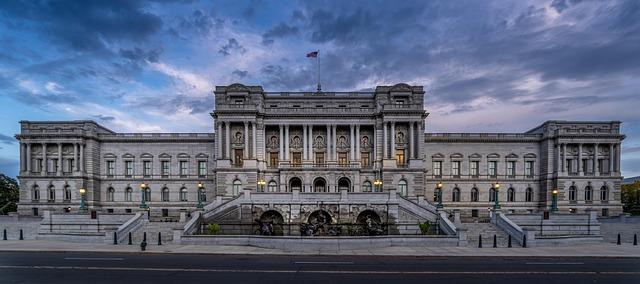
As a potential federal government shutdown looms, Washington, D.C.’s draw as a top-tier travel destination is once again running headfirst into congressional stalemate. Tour groups and families pouring into the capital may encounter chained doors at famous museums, reduced hours at others, and last‑minute changes to carefully planned schedules. From Smithsonian museums and the National Zoo to national memorials and visitor centers, the effects stretch far beyond Congress and into the very spaces that attract more than 20 million visitors to D.C. in a typical year.
This guide explains which major attractions are likely to be closed or limited, what stays open, and how travelers can redesign their itineraries with alternative experiences while the shutdown plays out.
Smithsonian museums, National Zoo and federal park sites: What closes first?
When federal appropriations stall, some of Washington’s best-known institutions are among the first to go dark. The Smithsonian network-icons like the National Museum of American History and the National Air and Space Museum on the National Mall-generally suspends public operations without funding in place. The National Zoo follows suit, with animal houses closed, gates locked and popular features such as panda or animal live cams taken offline.
On the National Mall and at other federally managed grounds, the impact is just as visible. The National Park Service typically keeps open-air memorials physically accessible, but closes staffed visitor centers, cancels ranger talks and tours, and scales back basic services like trash pickup and restroom maintenance. As a result, guests may find monuments open but effectively unmanaged, with reduced services and occasional temporary closures for safety or sanitation.
Because tourism is a major driver of the regional economy-visitor spending in the District topped $10 billion in recent years-these shutdowns quickly ripple through hotels, restaurants and tour operators. In response, non-federal venues are stepping up with extended hours, special events and targeted offers for visitors suddenly searching for new plans.
Where visitors are redirecting their time
Travelers are increasingly turning to sites that do not rely on federal appropriations. Among the most reliable options:
- DC public and university museums – City-funded or university-run galleries and museums typically remain open, including many focused on local history, art and science.
- Private and nonprofit attractions – Ticketed museums and experiences that operate on private or philanthropic funding and are not tied to the federal budget cycle.
- Outdoor memorials and parks under local oversight – Open spaces and memorials maintained by the District or regional governments rather than federal agencies.
| Closed Site | Type | Suggested Alternative |
|---|---|---|
| National Museum of American History | Smithsonian museum | DC History Center |
| National Air and Space Museum | Smithsonian museum | Steven F. Udvar-Hazy Center |
| National Mall Visitor Centers | National park services | Downtown DC Welcome Center |
Availability can shift quickly during a federal shutdown. Always verify hours and status directly with each site before visiting.
Monuments, memorials and Capitol Hill: What visitors can still see
For many travelers, the biggest question is whether they can still experience the capital’s most recognizable landmarks. The answer is mixed.
Open-air memorials-such as the Lincoln Memorial steps, the base of the Washington Monument, the World War II Memorial and the Korean War Veterans Memorial-often remain physically accessible during a shutdown. However, organized visitor services, restrooms, information desks, and ranger-led programs are generally suspended. If maintenance issues or safety concerns arise, federal staff may restrict access without much advance notice.
Access is even more limited on Capitol Hill. During a funding lapse, the U.S. Capitol typically suspends guided tours, closes the Capitol Visitor Center to the public, and halts distribution of gallery passes to watch Congress in session. Constituents may still walk the surrounding grounds and take photos from public areas, but interior access and formal programs are usually paused.
Planning strategies around restricted access
Tour operators and school groups are increasingly building flexibility into their plans, assuming that some federal venues may be unavailable. Common adjustments include:
- Self-guided walking tours – Using digital maps or audio apps to explore the exteriors of the Capitol, Supreme Court and Library of Congress, along with monuments on the Mall.
- Private tour companies – Booking narrated bus or walking tours that focus on exterior viewpoints and city neighborhoods rather than building interiors.
- District-managed museums and memorials – Shifting visits to places funded by the District of Columbia or private foundations that remain open.
- Evening sightseeing – Timing visits for after dark, when monuments are illuminated, crowds thin and traffic eases even if interior services remain closed.
| Site/Service | Status in Shutdown | Alternative Option |
|---|---|---|
| Capitol Hill guided tours | Likely suspended | Self-paced exterior photo walk around Capitol grounds |
| Capitol Visitor Center | Closed to public | Virtual tour and educational resources via official website |
| Ranger programs at monuments | Canceled | Self-guided tours with mobile apps or downloadable brochures |
| Monument restrooms & info desks | Unavailable | Use nearby city facilities and online tools for maps and FAQs |
Local museums and private attractions: The unexpected winners of a shutdown
While national institutions scale back, a wide range of smaller venues are quietly becoming essential stops for visitors. Neighborhood-based cultural sites-such as university planetariums, historic homes overseen by local nonprofits, and independent art galleries-continue to welcome guests with normal hours and comparatively small crowds.
Many of these institutions are reporting increased visitation when federal buildings close. To meet demand, they are adding docent-led tours, temporary exhibits and occasional evening openings. Because these locations often focus on local stories, they can offer a closer look at Washington’s communities, activism and creative scenes that national museums sometimes gloss over.
On the private side, commercial museums and experiences have become go-to options during recent shutdowns. From immersive art environments and Instagram-ready installations to specialized museums on espionage, news media and language, operators emphasize that their funding is separate from the federal budget, allowing them to remain fully open.
In past shutdowns, several major private attractions in D.C. have rolled out limited-time perks-discounts for families, free or reduced admission for federal workers and contractors, and themed programs explaining how government closures affect daily life.
Sample experiences that stay open
Visitors looking to rebuild an itinerary around non-federal sites can consider:
- Spy-themed attractions – Hands-on exhibits with historical artifacts, code-breaking challenges and interactive missions.
- News and journalism museums – Spaces exploring press freedom, digital media and the role of reporters in democracy, often with live talks or screenings.
- Science and technology centers for kids – STEM-focused labs, maker spaces and family workshops designed to be both educational and fun.
- House museums and neighborhood history sites – Intimate tours that highlight local civil rights struggles, community leaders and architectural heritage.
- Immersive art and light installations – Ticketed experiences built around large-scale art, projections and interactive elements.
| Type | Example Focus | Typical Perk |
|---|---|---|
| Private Museum | Espionage & Intelligence | Timed entry, no shutdown closures |
| Nonprofit Gallery | Local Contemporary Art | Free admission, rotating exhibitions |
| Historic House | DC Neighborhood History | Small-group guided tours |
| Science Center | STEM for Kids | Hands-on exhibits and structured workshops |
Day trips, neighborhood explorations and practical tips during a shutdown
Even with the Smithsonian museums, the National Zoo and some federal memorial services curtailed, it’s entirely possible to build a full and memorable Washington, D.C. trip. The key is to lean into the city’s neighborhoods and nearby historic areas that are not dependent on federal funding.
Walkable districts like Dupont Circle, Capitol Hill, and Old Town Alexandria offer exactly that: tree-lined streets with independent galleries, cafés, bookstores and local restaurants. These areas are easily accessible via Metrorail and Metrobus, making it simple to pivot away from closed sites on the Mall.
Popular private museums such as the International Spy Museum and Planet Word regularly become top substitutes when federal buildings close. Outdoors, visitors can swap National Park Service-maintained spaces for city-run options like Rock Creek Park’s locally maintained trails or regional waterfronts along the Potomac River.
How locals suggest navigating the city
Residents and tourism staff often recommend treating a shutdown as an opportunity to see an “off-duty” version of Washington:
- Arrive early in the day at popular alternative sites to avoid lines and timed-entry tickets selling out.
- Use Metrobus and Metrorail rather than driving, especially near substitute attractions that quickly become congested.
- Check each venue’s website and social channels on the morning of your visit for updates on capacity, ticketing and last-minute programming changes.
- Look for weekday discounts at smaller theaters, galleries and museums, many of which quietly target displaced tourists.
- Take advantage of shutdown lunch specials and prix fixe menus at restaurants near the Mall and downtown business districts.
“Instead of” ideas: Swapping closed federal sites for open experiences
Here are a few practical replacements that keep the spirit of your original itinerary intact:
- Instead of the National Museum of American History, visit the Anacostia Community Museum and explore nearby murals, local shops and community spaces focused on D.C.’s own story.
- Instead of the National Air and Space Museum, travel to the College Park Aviation Museum in Maryland for historic aircraft and early flight history in an easier, half-day format.
- Instead of the National Gallery of Art, head to the Phillips Collection in Dupont Circle and pair it with a gallery walk along adjacent streets featuring independent art spaces.
- Instead of the National Zoo, book behind-the-scenes encounters or animal programs at regional wildlife centers in Maryland or Virginia.
| Closed Federal Site | Alternative | Nearest Metro |
|---|---|---|
| Lincoln Memorial Visitor Areas | Georgetown waterfront walk | Foggy Bottom-GWU |
| Smithsonian Museums on the Mall | Planet Word & International Spy Museum | Metro Center / L’Enfant Plaza |
| National Archives Museum | Library of Congress public exhibits | Capitol South |
| National Zoo | Old Town Alexandria waterfront | King Street-Old Town |
Final thoughts
As the budget impasse in Washington drags on, the picture for visitors remains in flux. Some marquee attractions operate with sharply reduced services, while others close entirely, forcing last-minute changes to well-laid plans.
The most reliable approach is to confirm hours and operating status before every outing, favor local government-run or privately funded museums and parks, and keep a backup plan ready for each day of your trip. Even when parts of the federal government are shuttered, the capital’s dense network of neighborhood attractions, cultural institutions and regional outdoor spaces means there are still plenty of ways to experience Washington, D.C.-just with a slightly different lens than you might have originally imagined.